
Beyond the spotlight: How Indian couture is claiming the global Red Carpet
01 June 2026, Mumbai
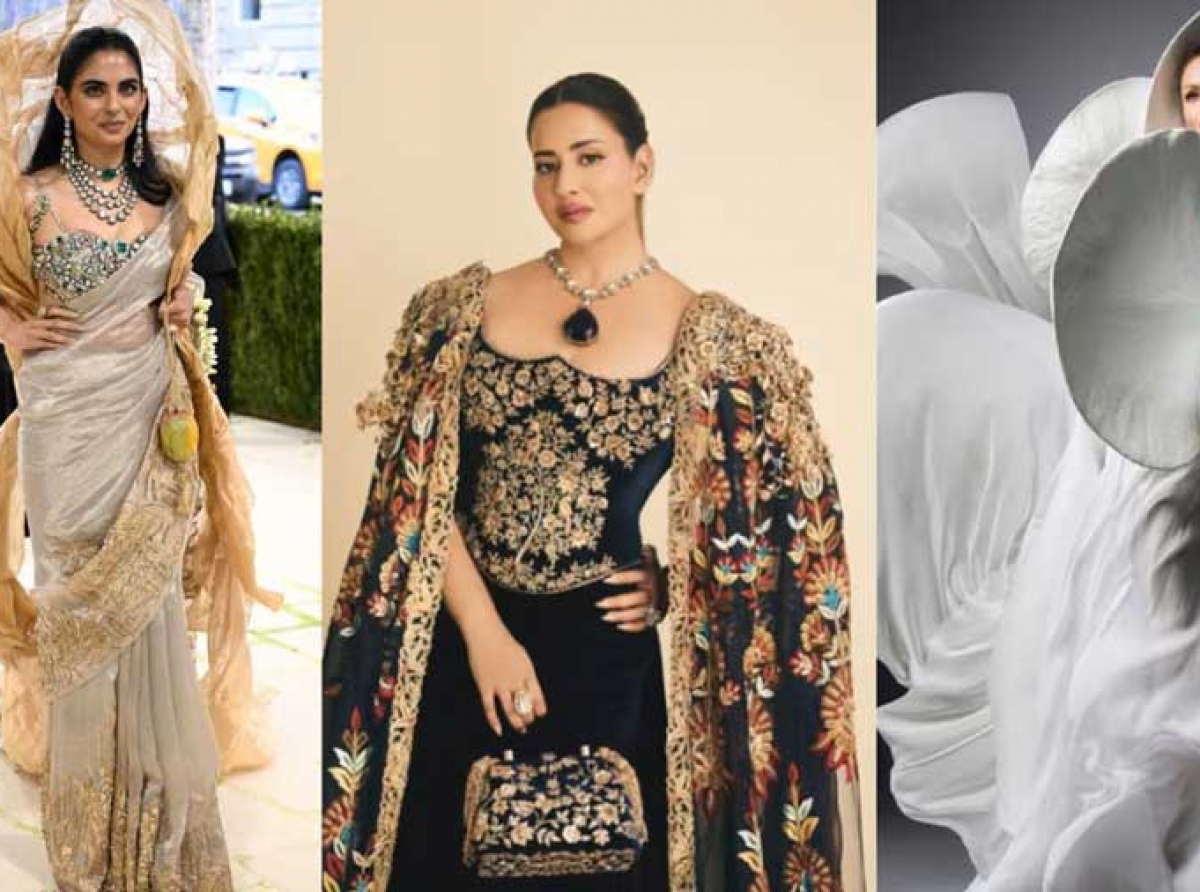
At the 2026 Cannes Film Festival, philanthropist and entrepreneur Seema Singh transformed the iconic Croisette into a profound showcase of Indian heritage. By choosing to wear bespoke ensembles that centered on indigenous craftsmanship, Singh did more than participate in a high-profile event; she issued a manifesto. Her presence underscored a pivotal shift in the fashion industry, where the narrative of ‘global luxury’ is no longer dictated solely by Western houses. Instead, it is being reclaimed by those who view couture as a medium for cultural diplomacy and artistic assertion.
A masterclass in symbolic artistry
Singh’s debut appearance on the red carpet was a deliberate exercise in storytelling. She donned a deep red ensemble paired with a vibrant orange dupatta and a structured couture jacket - a look deeply rooted in the duality of Shiv and Shakti. This was not merely ornamental; it was an intentional display of spiritual and artistic heritage. The ensemble featured intricate motifs including lotus symbols, temple-inspired patterns, and celestial detailing, all elevated by 24K gold foiling.
For Singh, the choice was clear. ‘Every thread, every motif, and every artisan behind these looks represented something larger than couture,’ she remarked. They represented heritage, purpose, and empowerment. By blending the stillness of the divine with the energy of creation, the look challenged the industry to reconsider the value of handmade artistry versus mass-produced luxury.
Merging heritage with modern elegance
Her second ensemble offered a nuanced contrast, favoring refined elegance while maintaining deep roots in Indian history. Complete with a dramatic cape, the ivory embroidered gown served as a bridge between ancestral techniques and global aesthetics. The garment showcased a sophisticated fusion of Kashmiri Jaali work - evoking the grandeur of Baroque architecture—and the intricate, time-honored delicacy of Lucknowi chikankari.
The cape featured seven metallic chakras, symbolizing balance and harmony, anchored by the inclusion of the Brahma Kamal. This rare, resilient flower served as a centerpiece, representing the endurance and beauty inherent in Indian craft. Walking the carpet alongside her son, Shrey Singh, Seema demonstrated that modern luxury does not require excess; rather, it thrives on meaning, history, and meticulous detail.
Fashion as a catalyst for cultural diplomacy
Singh’s influence extended far beyond the cameras on the red carpet. She transitioned the conversation to the Monaco Economic Board Chamber of Commerce, where she advocated for women’s empowerment and cross-cultural collaboration through her NGO, Megha Shrey. Her mission is to move fashion away from the cycle of fleeting trends and toward a model of purposeful engagement.
By leveraging the global stage to spotlight the artisans who labor behind the scenes, Singh is championing a new era for Indian fashion. This is no longer a case of the East providing inspiration for Western collections; it is a movement where Indian artisans, weavers, and women-led cooperatives are the primary protagonists of the luxury narrative.
Ultimately, Singh’s Cannes experience serves as a template for Indian fashion’s future. It is a transition from imitation to assertion - a recalibration where heritage is not diluted for global consumption but is instead translated with confidence and pride. As the industry evolves, India is no longer just joining the conversation; it is setting the agenda, proving that craftsmanship infused with cultural identity is the ultimate global currency.










 Get in Touch!
