All Stories

Retailers look beyond metros as unmet demand drives store expansion

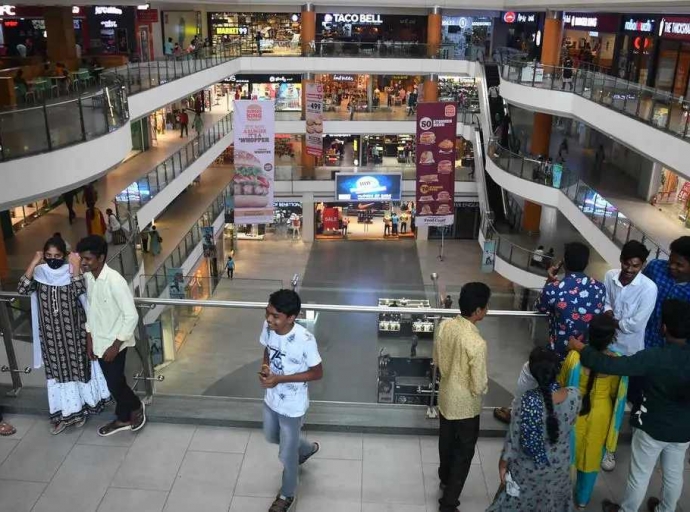
For decades, retail expansion in India was governed by a familiar formula: population tiers, mall footfalls, catchment size, rentals and competing stores. Addresses outside major metropolitan centres were typically assigned higher risk and lower investment. That logic is changing. For apparel retailers, the more valuable factor now is unmet consumer demand where shoppers demonstrate strong intent to buy a brand but lack convenient physical access to it.

E-commerce order patterns, search data and regional sales audits are giving retailers a new map for store expansion. Over 60 per cent of online fashion growth and over half of festive shopping volumes are now estimated to originate outside primary metros. The commercial opportunity is therefore shifting from fighting for space in saturated metropolitan malls to identifying markets where consumer spending exists but organised retail supply remains thin.

Digital demand is the new catchment

Retailers are mining delivery pin codes, search heatmaps and online fulfilment friction to identify potential store locations. Digital commerce is no longer simply a sales channel; it is becoming a low-risk market-testing mechanism. High order concentration in cities like Lucknow, Chandigarh, Surat and Coimbatore indicate that regional discretionary spending can rival, and in some cases exceed, that of saturated metro catchments.

Table: India's next retail powerhouses

City

Grade-A stock (mn sq ft)

Unique global brands

Store density per mn people

Advantage

Chandigarh

2.4

98

58

High per-capita spend

Mangaluru

1.1

46

102

Highest store density

Lucknow

5.6

112

20

Large shopping centres

Vadodara

1.8

54

26

High full-price sales

Coimbatore

1.5

48

29

Low vacancy rates

Source: Knight Frank India Retail Research and industry market monitors

Knight Frank and CBRE data point to a broader restructuring of retail real estate. Tier II cities have added 5.9 million sq ft of Grade-A retail space since 2020, with institutional-quality assets accounting for 61 per cent of total retail stock, compared to 45 per cent in metros. The contrast is particularly visible in markets such as Mangaluru and Lucknow. Mangaluru has the country's highest international retail density at 102 global brand stores per million residents, while Lucknow combines 112 unique international brands with 5.6 million sq ft of organised retail space.

Lower costs, stronger full-price sales

The statistics are compelling. Metro occupancy costs can reach 14-18 per cent of gross revenue, putting pressure on store-level profitability. In strong secondary markets, those costs can fall to 8-10 per cent, while limited competition allows brands to sustain higher full-price conversion. This challenges another long-standing assumption: that smaller cities are primarily value-retail markets.

The success of Zudio and other mass-market formats has shown the depth of demand beyond metros. But premium and mid-market brands are also finding opportunities. Retailers in Vadodara, Mysuru and Indore are reporting faster turns on new merchandise in selected locations than in some tertiary malls in Mumbai and Bengaluru. The advantage is not simply cheaper real estate. With fewer direct competitors, brands can reduce customer acquisition costs, rely less on discounting and establish stronger local loyalty.

The constraint is quality retail supply. As demand moves into regional centres, retailers are looking beyond conventional malls to prominent high streets and standalone destination properties.

Uniqlo turns online pull into physical stores

Uniqlo offers a clear example of how digital demand can guide physical expansion. After establishing a presence in Delhi-NCR, Mumbai and Bengaluru, the Japanese casualwear retailer identified significant online demand from northern and central India. It subsequently expanded into Chandigarh and Lucknow, using large-format stores in prime retail locations.

The model effectively reverses traditional expansion logic. Instead of opening stores and waiting for demand to build, the retailer can use digital transactions to identify existing demand and then deploy physical capital against it. That reduces the risk of entering unfamiliar markets and gives new stores an existing customer base to activate. Strong brand awareness built online can also reduce the need for heavy launch promotions.

Fast Retailing's Uniqlo business in India now operates 20 large-format stores and is targeting over 100 locations by 2031. Its Indian business generated overs Rs 1,100 crore in FY25 revenue, with revenue growth accelerating sharply.

Retail’s next map is behavioural

The larger shift is strategic. Store networks are being built around where consumers want brands, rather than simply where population density or established retail infrastructure happens to be highest. For apparel companies facing higher digital acquisition costs and expensive metro real estate, this creates a third route between online-only expansion and costly flagship-led growth.

The winning retailers will use e-commerce as a demand radar, regional sales as validation and physical stores as the conversion engine. India's next retail white space may therefore have little to do with the traditional Tier I, II hierarchy. It will be defined by a simpler question: where are consumers already spending, but still waiting for the store to arrive?
Retailers look beyond metros as unmet demand drives store expansion

India retail sector reaches 10% growth trajectory in August ahead of festive peak

India's retail economy maintained a steady upward curve in August 2026, delivering a 10 per cent Y-o-Y expansion according to the Retailers Association of India Business Survey Round 74. Building consistently on the recovery observed in July, nationwide sales velocity demonstrated robust consumer demand across urban centers and Tier-II markets. West India spearheaded regional performance with an 11 per cent growth rate, closely followed by South India at ten per cent. Meanwhile, North and East regions registered steady increases of nine per cent and eight per cent respectively, pointing to a well-distributed commercial revival across domestic trade corridors.

Apparel and lifestyle segments prepare for seasonal growth

Essential and routine retail categories continued to anchor market performance, with quick service restaurants expanding by 15 per cent and food and grocery advancing by 12 per cent. Discretionary lifestyle segments also maintained solid momentum, as apparel registered a ten per cent year-on-year increase and footwear grew by eight per cent, reflecting a healthy appetite for soft goods. Industry leaders emphasize that disciplined inventory planning and precise logistical execution will dictate commercial success as brands prepare for upcoming high-demand festive shopping windows. August’s strong performance serves as a promising prelude to the upcoming festive season, and our focus now turns to precise execution and inventory planning to capture seasonal demand, notes Kumar Rajagopalan, Executive Director and CEO, Retailers Association of India.

Advocating for progressive policies

Headquartered in Mumbai, the Retailers Association of India is the apex body representing modern retail enterprises nationwide. The organization collaborates with government agencies, industry stakeholders, and global partners to advocate for progressive policies, drive operational excellence, and publish empirical market research that supports sustainable growth across the domestic retail ecosystem.

India retail sector reaches 10%  growth trajectory in August ahead of festive peak

Fashion retail accelerates in August as festive demand boosts spending

India’s organized retail sector experienced an accelerated recovery in August, driven by a sharp resurgence in discretionary fashion and lifestyle spending. According to the RAI-Innoviti Sanket tracker, same-store sales growth for fashion and apparel increased to 8.5 per cent, nearly doubling from July’s 4.5 per cent rate. Industry executives attribute this upward trajectory to pre-festive inventory stocking and revitalized consumer confidence across major urban and semi-urban markets ahead of the peak shopping season.

Much More

Tier III cities lead consumption

Consumer momentum expanded significantly beyond metropolitan hubs, with Tier III towns registering 11.9 per cent same-store growth and Tier II apparel sales expanding 13 per cent. Retailers report, digital payment integration, particularly UPI-linked transactions surging by 22.6 per cent, has streamlined checkout operations and unlocked higher discretionary spending. Rajat Mehta, CEO, noted, regional retail resilience reflects deeper purchasing power in smaller markets, positioning apparel brands for sustained revenue expansion through the remainder of the fiscal year.

Refer

Tracking retail intelligence

The RAI-Innoviti SANKET tracker monitors actual transaction flows across 100,000 checkout points in 2,800 towns. Developed by the Retailers Association of India and Innoviti Technologies in 2023, the platform evaluates category-level performance and digital payment trends. Targeting retail analytics and macroeconomic forecasting, the initiative projects steady financial performance and robust annual growth.

SUSTAINABILITY

Fashion retail accelerates in August as festive demand boosts spending

India’s mall giants are going smaller to win everyday shoppers

India’s retail real estate market is looking at a format reset. As urban congestion, digital discovery and quick commerce reshape shopping behaviour, developers are moving beyond the traditional million-square-foot destination mall to smaller, high-density lifestyle plazas embedded within residential catchments. The objective is not simply to generate footfall but to increase shopping frequency. By positioning apparel, dining, wellness and lifestyle services within a five-to-10-km radius, these assets seek to capture the weekday discretionary wallet that destination malls typically access only during planned visits.

DLF Retail’s recent expansion shows the strategy. Its 2.8-lakh-sq. ft. DLF Midtown Plaza in Moti Nagar, West Delhi, serves a catchment of about 2.5 million residents. The property opened with over 90 per cent operational occupancy and 95 per cent leased space, housing around 150 brands. This was followed by the 4.5 lakh  sq. ft. DLF Summit Plaza in DLF5, Gurugram, planned for approximately 215 brands. As Pushpa Bector, Group Executive Director and Business Head, DLF Retail puts it, the proposition is to make customers visit a plaza twice a week rather than make an occasional trip to a destination mall.

Smaller stores, higher density

The economics of these properties are also changing the tenant equation. Traditional shopping centres often accommodate fashion stores of 2,500-3,000 sq. ft, while neighbourhood plazas can work with modular 250-500 sq. ft. units. That smaller footprint reduces fit-out requirements and lowers the entry barrier for emerging fashion labels and digital-first brands. For landlords, it creates greater tenant density and a more diversified rental base.

The shift is happening alongside strong leasing momentum. CBRE data shows retail leasing across major Indian cities increased 20 per cent year-on-year to 3.9 million sq. ft. in the first half of 2026, with Delhi-NCR accounting for 35 per cent of absorption. Fashion and apparel remained the largest demand category, contributing roughly 40-48 per cent of leased volume.

The composition of demand is equally significant. Homegrown and direct-to-consumer brands represented 28 per cent of retail leasing in early 2026, compared with 23 per cent a year earlier. Within digital-native brands, apparel and lifestyle products accounted for nearly 69 per cent of new space commitments.

D2C brands go physical

For online-first fashion companies, the neighbourhood store is becoming more than a sales outlet. It functions as a physical touchpoint for brand discovery, product trials, returns, styling and local fulfilment. Brands such as Suta and The Bear House exemplify this shift. Instead of committing capital to expensive high-street flagships, smaller stores can give a physical presence in affluent residential clusters while maintaining inventory centrally.

The model can improve sales productivity because the store does not need to carry the breadth of stock associated with a conventional flagship. Digital replenishment allows a compact unit to operate as a styling and fulfilment node, connecting online demand with offline conversion. This is particularly relevant as digital customer acquisition becomes more expensive. A physical store can reduce dependence on paid online discovery while improving consumer confidence and potentially lowering return rates.

Experience replaces commodity

The tenant mix is also revealing where developers expect future retail margins to emerge. The proliferation of quick commerce is reducing the importance of large commodity-led grocery formats, encouraging developers to favour boutique supermarkets, premium activewear, wellness services, restaurants and entertainment. The result is a more curated neighbourhood proposition. Instead of competing directly with quick-commerce platforms on speed, these plazas compete on immediacy combined with experience.

This distinction matters for fashion. Consumers may order basic products online within minutes, but apparel remains an experiential category where touch, fit, authenticity and styling can influence purchase decisions.

Spending beats footfall

The stronger argument for the format comes from consumer economics rather than visitor numbers alone. Across DLF’s retail portfolio, tenant sales have grown 11-12 per cent annually, while operational retail consumption rose 13.5-14 per cent year-on-year in the first quarter of FY27. The difference between footfall and spending is particularly important. While traffic increased about 5 per cent, tenant billing across core properties grew at a double-digit pace. This suggests that retailers are monetising fewer but more purposeful visits more effectively. Gen Z and millennials are central to this change. Their shopping journeys begin online, with consumers researching products, prices and reviews before entering a physical store. The store therefore becomes the final stage of a digitally initiated purchase journey rather than the starting point.

Two formats, one strategy

The rise of neighbourhood plazas does not signal the death of destination malls. Instead, India’s retail real estate market appears to be moving towards a dual-format model. Developers are continuing to invest in large regional assets for high-value shopping, entertainment and weekend consumption while deploying smaller community properties to capture frequent local spending.

More than Rs 30,000 crore is expected to be deployed across Indian retail assets over the coming years, underlining institutional confidence in the sector. DLF, for instance, is developing the 2 million sq. ft. Mall of India in Gurugram alongside neighbourhood properties. Its planned 7 lakh sq. ft. DLF Promenade in Panjim further expands the portfolio. The company expects its new retail additions to lift total retail revenue by 20-22 per cent.

The message is clear: India’s next retail growth phase may not be defined by bigger malls, but by a denser network of smaller ones. As digital commerce takes care of convenience and quick commerce compresses delivery times, physical retail must increasingly win on frequency, proximity and experience. The neighbourhood plaza is emerging as the format designed to do exactly that.

India’s mall giants are going smaller to win everyday shoppers

Screenshot to Cart: How Gen Z is rewriting India’s fashion retail model

Smartphone camera roll are emerging as important shopping destination for India’s fashion retail. For Gen Z consumers, fashion discovery is moving away from mall corridors, storefront displays and traditional keyword searches towards screenshots, short-form videos, private messaging groups and digital lookbooks. The shift is more than a change in shopping behaviour. It is reducing the fashion value chain itself. A consumer can now capture an image, upload it to a visual-search platform, identify a similar product and complete a purchase without ever visiting a store. For retailers, this is turning visual relevance, speed and inventory flexibility into commercial advantages.

Visual discovery changes the funnel

India’s 377-million-strong Gen Z population is at the centre of this change. Joint assessments by Bain & Company and Redseer Strategy Consultants reveal that Gen Z accounts for nearly 47 per cent of fashion and lifestyle consumption in India and over 40 per cent of the country’s digital shopper base.

The commercial implication is that discovery is detached from the physical store. A shopper does not necessarily begin with a brand or product category. Instead, an outfit seen on a social feed becomes the starting point. Image recognition and computer vision then convert that visual cue into a purchasable SKU.

Table: Bypassing traditional retail

Commercial parameter

Legacy mall retail model

Screenshot-driven commerce

Discovery Mechanism

Window shopping, storefront displays, print campaigns

Social feeds, video streams, camera-roll screenshots

Inventory Turn Cycle

90 to 120 days (Seasonal Spring/Summer, Autumn/Winter)

7 to 14 days (Weekly micro-batch manufacturing)

Search-to-Cart Method

Keyword-based text search and physical shelf browsing

Direct image upload, vector matching, visual AI

Target Price Band

Rs 1,800-4,500 (Organised apparel brands)

Rs 499-1,299 (Ultra-fast fashion micro-drops)

Conversion Efficiency

1.5-2.2% online browsing conversion

3.8-4.5% direct visual search conversion

Inventory Risk Profile

High terminal markdowns and seasonal deadstock

Pull-based manufacturing with low single-digit excess stock

The difference is not simply technological. It changes the economics of merchandising. Traditional retailers must forecast demand months ahead, commit to inventory and then use discounts to clear unsuccessful styles. Visual-first operators can test smaller quantities and scale only products that show traction.

Weekly drops replace seasonal calendars

India’s trend-led fast-fashion segment is moving towards a model where social demand can influence production within days rather than seasons. Digital platforms such as Myntra FWD and brands including Newme, Snitch and Savana are positioned around this shorter consumer-response cycle.

The emergence of micro-aesthetic shopping is particularly important. Consumers increasingly search through visual identities such as Y2K, coquette, streetwear and Korean minimalism rather than conventional product descriptions. Visual search removes the difficulty of translating an image into words and allows retailers to participate directly in that demand.

This also puts pressure on manufacturers. Apparel supply chains have to become sufficiently responsive to produce smaller quantities, test designs quickly and replenish successful products without creating excess inventory.

Newme’s micro-batch model

Newme gives a clear example of how this operating model is being institutionalised. The Bengaluru-based fashion company uses signals including screenshot searches, image tags and regional search behaviour to inform its product pipeline. The company can introduce as many as 500 new designs a week, initially producing batches of around 50 to 100 pieces. Larger production runs are triggered when a product demonstrates sales velocity on its digital storefront, with performance assessed within roughly 48 hours.

This reverses the traditional inventory equation. Instead of buying large quantities in anticipation of demand, the retailer uses digital demand to determine what should be manufactured at scale. The resulting model can reduce exposure to markdowns and deadstock while allowing a wider range of styles to be tested. For domestic manufacturers, this creates an opportunity to move closer to demand-led production. But it also raises the bar on speed, technology integration and small-batch economics.

Returns remain the margin problem

The economics of screenshot commerce are not without friction. Online fashion returns, estimated at 25-35 per cent, continue to weigh on profits. Fit discrepancies, differences between photographed and actual fabrics and impulse purchases can result in substantial reverse-logistics costs. Customer acquisition is another pressure point. As competition intensifies across digital advertising channels, acquiring each customer becomes more expensive. The resulting margin squeeze is pushing digital-native fashion businesses towards selective physical expansion.

Rather than rebuilding the traditional mall model, these companies are using stores differently. High-density outlets can function as fitting rooms, fulfilment nodes and local brand-discovery centres while the digital platform continues to drive assortment and demand.

Stores become extensions of digital retail

This is creating an unusual convergence between online and offline commerce. Physical retail is not disappearing; its function is changing. For a screenshot-led fashion company, the store can provide the sensory experience that digital commerce cannot replicate fit, fabric and immediate gratification while the digital format determines what products deserve shelf space. The result is a leaner form of omnichannel retail in which physical stores support, rather than define, the customer journey.

Newme, founded in 2022 by Sumit Jasoria, is scaling this approach, targeting around 100 physical stores alongside its digital platform and a Rs 5,000-crore revenue ambition by 2030. Its expansion reflects a broader recognition that digital-first fashion businesses may still require physical touchpoints as customer acquisition costs rise.

Retail’s new competitive advantage

The larger shift is from location-led retail to relevance-led retail. Malls continue to offer visibility, experience and brand credibility, but their ability to capture youth discovery is being challenged by platforms that can translate a viral image into a product much faster. With Redseer projecting Gen Z’s collective spending power in India at $1.3 trillion by 2030, the stakes are substantial. Retailers that can connect visual discovery with rapid sourcing, responsive manufacturing and efficient fulfilment will have an advantage over businesses built around long seasonal cycles.

Screenshot commerce therefore is more than another digital shopping feature. It is forcing Indian fashion retail to reconsider how products are discovered, manufactured, priced and replenished. The winners may not be the retailers with the largest aisles, but those capable of turning a customer’s camera roll into a sellable SKU within days.

Screenshot to Cart: How Gen Z is rewriting India’s fashion retail model

Biba enters Australian retail market with flagship Melbourne launch

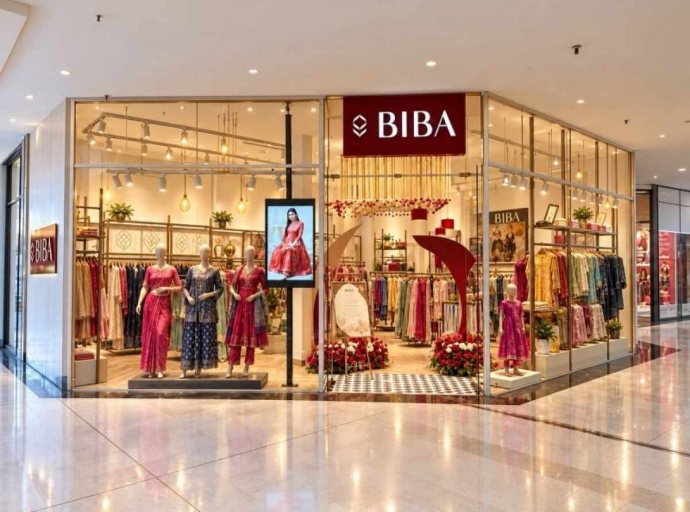
Indian ethnic wear brand Biba has inaugurated its first retail storefront in Melbourne, Australia, marking a strategic milestone in its cross-border retail expansion. Spanning a prime commercial location, the new boutique introduces contemporary Indian fashion, ready-to-wear ensembles, and festive collections to consumers across Oceania. Retail analysts note, targeting multicultural urban centres allows heritage fashion labels to capture high-disposable-income demographics while diversifying revenue streams beyond domestic South Asian markets.

Navigating global sourcing and tariffs

Expanding international brick-and-mortar operations presents complex supply chain hurdles, particularly regarding multi-country logistics and import duties for intricate textiles. "Establishing a direct retail presence in international markets requires rigorous supply chain synchronization to protect operating margins against high trade tariffs," explains Marcus Vance, Senior Retail Logistics Consultant at Global Trade Advisors. Despite logistics cost pressures, premium ethnic apparel brands leverage advanced inventory management and localized merchandising to sustain competitive pricing and secure long-term profitability. 

Global ethnic wear enterprise

Founded in India three decades ago, BIBA designs and retails ethnic apparel, fusion wear, and lifestyle accessories for women and girls. Operating across extensive domestic retail networks and select international markets, the brand targets aggressive global expansion through experiential flagship stores, supported by strong financial performance and rising international consumer demand.

Biba enters Australian retail market with flagship Melbourne launch

British fashion retailer Next enters Mumbai market with flagship store opening

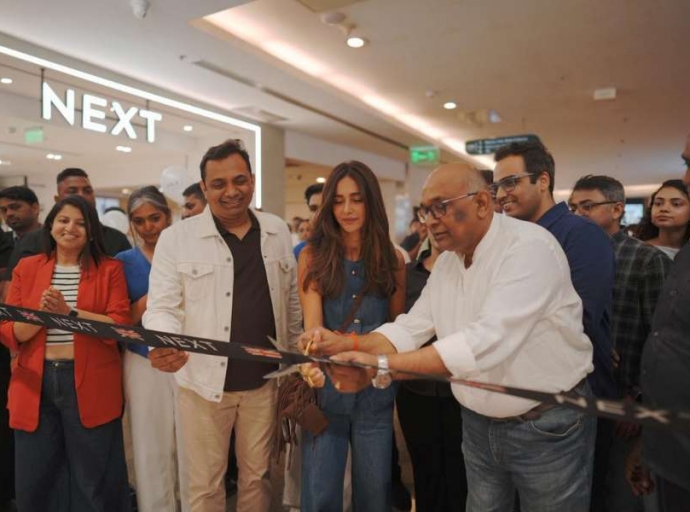
British fashion major Next has marked its retail debut in Mumbai by launching a sprawling, 12,000-sq-ft flagship outlet at Infiniti Mall in Malad. Developed in strategic partnership with Myntra Jabong India and licensed franchise operators, the new location houses approximately 1,000 distinct styles spanning women's, men's, and children's apparel categories. The launch underscores an accelerating trend of international labels establishing physical footprints in India's top-tier urban clusters, targeting cosmopolitan consumers seeking contemporary, design-led everyday wear.

MUCH MORE

Mumbai represents an essential fashion market, and introducing our first store in the city reflects our ongoing growth trajectory across India, states Venu Nair, Chief-Strategic Partnerships and Omnichannel, Myntra. Industry analysts observe, foreign apparel brands are increasingly utilizing localized omnichannel models to optimize inventory turnover, pairing immersive brick-and-mortar retail experiences with robust digital distribution to capture rising discretionary spending.

Refer

Expanding footprint in high-potential urban areas

Next operates as a prominent British fashion and home products retailer offering apparel, footwear, and accessories. Serving international markets through franchise networks and digital platforms, the brand focuses on scaling its physical footprint in high-potential urban economies while maintaining solid financial performance, anchored by its foundational launch in the United Kingdom in 1982.

SUSTAINABILITY

British fashion retailer Next enters Mumbai market with flagship store opening

Maharashtra redefines value retail with new store launch in Bhiwandi

The Indian apparel and retail sector has entered a new phase of commercial expansion with the inauguration of Maharashtra’s premier dedicated outlet destination in Bhiwandi. Spanning an expansive footprint along the Mumbai-Nashik highway corridor, the multi-crore retail ecosystem is engineered to host over one hundred domestic and international lifestyle brands. Unlike traditional shopping centers tied to cyclical markdown periods, the complex functions on a continuous value-retailing framework, securing permanent price reductions reaching up to 70 per cent across inventory lines.

Much More

Bridging logistics hubs and consumer markets

Historically recognized as a primary warehousing and freight zone for the Mumbai Metropolitan Region, Bhiwandi is experiencing a rapid economic transition into a prominent consumer destination. Industry analysts note that positioning large-scale fashion infrastructure near major industrial parks optimizes supply chain logistics for excess seasonal stock.

The modern consumer actively seeks premium apparel without compromising on value, and brands require structured channels to clear previous-season inventory efficiently, states Rajesh Mehta, Senior Retail Strategy Director. Establishing an expansive outlet ecosystem outside central urban districts allows retailers to maximize inventory velocity while catering to rising discretionary spending in Tier-I and Tier-II peripheral zones, he adds.

Refer

Economic footprint and sector outlook

The development introduces advanced retail architecture, incorporating open-air promenades, integrated dining precincts, and high-density entertainment zones designed to boost visitor engagement. Market projections indicate the regional project will generate thousands of direct and indirect employment opportunities while attracting millions of annual visitors from neighboring commercial hubs like Thane, Kalyan, and Mumbai. Sector experts suggest this success could encourage developers to replicate the permanent discount format across other high-growth Indian state corridors.

Developed by prominent regional infrastructure builders, Bhumi World specializes in large-scale commercial and industrial real estate ecosystems across Maharashtra. Focused primarily on integrated business parks and value-driven retail destinations, the group aims to capitalize on expanding metropolitan peripheries. Backed by strong financial execution and a track record of timely commercial deliveries, the firm is positioned for long-term growth as consumer demand for organized retail experiences accelerates.

SUSTAINABILITY

Maharashtra redefines value retail with new store launch in Bhiwandi

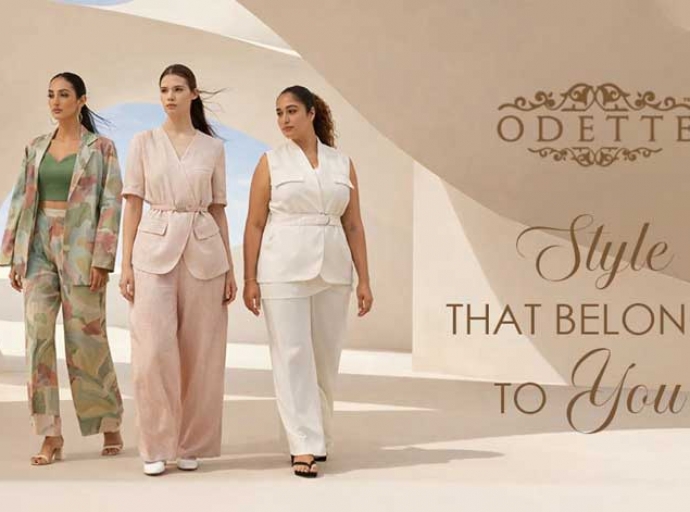
Odette accelerates omnichannel retail expansion through strategic franchise partnerships across India

Fast-growing fashion and lifestyle brand Odette is scaling its physical retail presence nationwide, leveraging structured franchise-investor, company-operated frameworks to penetrate high-potential Tier-II and Tier-III urban markets. Following the rollout of its milestone fiftieth exclusive outlet, the label is actively inviting investor partnerships requiring an initial capital commitment starting at Rs 45 lakhs to accelerate store deployment across premier high streets and shopping malls. Expanding our offline footprint through structured franchise models allows us to connect deeply with regional consumer bases while maintaining strict operational uniformity, noted Mamta Roy, Founder and Creative Director. The brand’s expansion playbook strategically targets emerging commercial hubs in states such as Rajasthan, Haryana, and Gujarat, where organized retail competition remains sparse compared to saturated metropolitan centers.

Optimizing inventory velocity and margins

Odette’s rapid retail scaling is anchored by a strict data-driven inventory turnaround policy that mandates a 90-day product cycle, mitigating unsold stock accumulation and boosting working capital efficiency. By introducing dozens of trend-led styles daily rather than depending on conventional seasonal drops, the label preserves high stock freshness across its expanding network. Industry analysts observe that this agile supply chain execution supports steady average selling prices between Rs 1,300 and Rs 1,400, capturing strong middle-income demand for western wear, occasion-led ethnic apparel, and fashion accessories. Franchise partners are further supported through centralized visual merchandising, comprehensive performance tracking, and standardized vendor logistics designed to secure stable operating yields.

Odette operates as a digitally native fashion and lifestyle brand specializing in trend-led western wear, ethnic apparel, footwear, jewellery, and accessories. The brand maintains a robust presence across major metro hubs and emerging Tier-II and Tier-III urban centers in Karnataka, Maharashtra, Delhi NCR, and Uttar Pradesh. It targets an extensive portfolio scale toward 100 exclusive brand outlets alongside continuous multi-category expansion. ady equity-free financing models and robust offline store revenue contributions aiming for an equal online-offline revenue parity.

Founded in 2020 as an online-only jewelry label before successfully transitioning into an omnichannel lifestyle retailer with physical storefronts.

Odette accelerates omnichannel retail expansion through strategic franchise partnerships across India

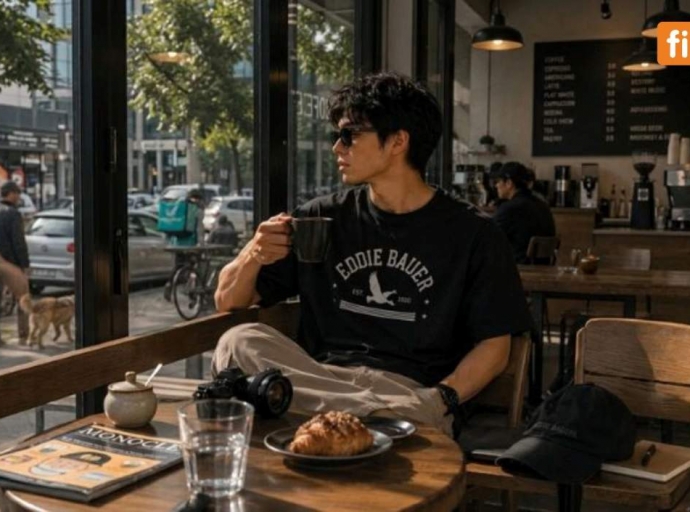
Eddie Bauer partners Outdoor Goats to foray into the Indian retail marke

American outdoor lifestyle brand Eddie Bauer has officially entered the Indian apparel market through a strategic partnership with Outdoor Goats, utilizing Wild Country as its exclusive licensee. The brand launch addresses expanding domestic interest in the mid-premium outdoor and activewear segments, which are currently recording a robust 35 per cent Y-o-Y growth trajectory. Focusing primarily on metropolitan and emerging urban centers, the initial product rollout targets consumers aged 25 to 40 seeking versatile utility wear. Henry Stupp, President, EMEA-India, Authentic Brands Group, notes, the brand's century-old heritage aligns naturally with the evolving preferences of Indian consumers who demand high-performance apparel suited for multiple environments.

MUCH MORE

Digital-first introduction and upcoming omnichannel expansion

The initial collection features specialized technical apparel including UPF 50 sun-protected items, active cooling garments, and four-way stretch materials, with price points ranging from Rs 2,299 for basic essentials up to Rs 20,000 for heavy insulated outerwear. Merchandise is currently accessible via the brand's dedicated Indian e-commerce platform and Myntra, with broader digital marketplace integration scheduled before the close of 2026. Following the digital-first introduction, the enterprise is preparing for an extensive physical retail rollout starting in 2027, featuring dedicated standalone boutiques and shop-in-shop formats across key commercial real estate corridors.

VIEW

Outfitting major international expeditions

Eddie Bauer is an iconic American outdoor lifestyle brand founded in Seattle in 1920. Operating across 41 countries, it specializes in high-performance apparel, down jackets, and travel gear. Targeting long-term global expansion, the brand maintains strong financial performance, anchored by its century-old legacy of outfitting major international expeditions.

SUSTAINABILITY

Eddie Bauer partners Outdoor Goats to foray into the Indian retail marke

Myntra expands premium international market portfolio with Sisley launch

Leading Indian fashion e-commerce platform Myntra has officially integrated Benetton Group’s iconic Italian contemporary brand Sisley into its digital catalog. The strategic partnership introduces Sisley’s sophisticated apparel, premium denim collections, and trend-focused accessories directly to Indian consumers seeking contemporary European style. Operating through a dedicated brand store on the platform, the launch leverages Myntra’s advanced tech-driven reach to capture the surging urban appetite for accessible luxury and premium international aesthetics.

Much More

Capturing urban premium demand

Industry analysts note, this collaboration underscores the growing dominance of global brands within India's organized e-commerce marketplace. Bringing Sisley into the company’s ecosystem allows it to cater directly to discerning metropolitan shoppers looking for distinctive European design heritage, states Sharon Pais, Chief Business Officer, Myntra. Market projections indicate, expanding the international brand portfolio will significantly drive average order values and accelerate double-digit growth across Myntra’s premium lifestyle segment through the upcoming shopping season.

Refer

Renowed for edgy, sophisticated apparel

Established in Italy, Sisley operates as a prominent contemporary fashion brand under the Benetton Group, renowned for its edgy, sophisticated apparel and accessories. Focusing on global urban markets, the brand targets trend-conscious consumers through strategic digital and physical retail expansions, backed by strong international heritage and sustained commercial performance.

SUSTAINABILITY

Myntra expands premium international market portfolio with Sisley launch

Latest Publications

Image

Join Our Group

Join Our Group