All Stories

Myntra expands festive workforce to support peak e-commerce demand

Leading online fashion retailer Myntra has initiated a massive expansion of its temporary workforce, bringing on over 26,000 seasonal personnel to support operations ahead of its flagship Big Fashion Festival. This deployment represents more than double the temporary workforce engaged during the corresponding period last year, highlighting an aggressive scaling strategy to manage unprecedented order volumes. The newly inducted personnel will primarily manage inventory processing, sorting, and packaging across key fulfillment centers and distribution hubs nationwide.

Strengthening last-mile delivery and inclusive hiring

The expanded temporary workforce directly reinforces Myntra's supply chain capabilities, ensuring rapid order turnaround times for services like M-Express, which provides 24-to-48-hour delivery windows in eligible urban markets. Furthermore, the recruitment drive emphasizes social inclusion, with more than 350 roles specifically allocated to persons with disabilities.

Drawn from multiple states including Uttar Pradesh, Bihar, Karnataka, and Odisha, the seasonal recruitment underscores the substantial interstate labor migration that underpins peak retail surges in India's digital economy.

As Myntra scales its seasonal workforce this year, in addition to creating employment and income opportunities, it remains committed to ensuring its people feel supported, recognized, and truly part of the celebration, states Govindraj MK, Chief Human Resources Officer, Myntra.

A major retail destination across emerging markets

Myntra is a premier Indian e-commerce platform specializing in apparel, footwear, beauty, and lifestyle products. Key market segments include mass-market fashion, premium western wear, and ethnic brands. The company targets rapid omnichannel expansion and technological integration, building on its establishment as a major digital retail destination across urban and emerging markets.

Myntra expands festive workforce to support peak e-commerce demand

India’s Wedding Market: Manyavar, Tasva others take on the master tailor

India’s Rs 10 lakh crore-plus wedding economy is becoming the next major battleground for organised apparel retail, as domestic brands attempt to prise consumers away from neighbourhood tailors, regional cloth merchants and unorganised occasion-wear markets. Wedding apparel typically accounts for 10-20 per cent of family wedding allocations, creating a substantial addressable market for branded retailers. The opportunity is particularly visible during the 45-day winter wedding season, when more than 4.5 million ceremonies can generate over Rs 6 lakh crore in economic transactions.

The shift is being driven by younger consumers seeking predictable fits, transparent pricing and celebrity-inspired styling. For organised retailers, however, winning the occasion-wear customer is not simply a matter of opening stores. The fundamental challenge is replicating the flexibility of the master tailor while delivering the scale and consistency of a corporate retail network.

The big spending gap

Wedding consumption varies sharply across markets. Delhi NCR remains a high-volume commercial centre, while Rajasthan’s Jaipur-Udaipur-Jodhpur triangle commands substantially higher per-wedding spending because of destination celebrations and luxury trousseau purchases.

Table: Wedding spending across Indian cities

City/urban hub

Wedding spending

Average budget (Rs lakh)

Dominant wedding apparel demand

Delhi NCR

4.8 Lakh ceremonies; Rs 1.8 lakh Cr trade

Rs 38

Heavy bridal lehengas, raw silk sherwanis, multi-event ensembles

Jaipur

Primary luxury destination hub

Rs 73

Bespoke royal couture, heritage bandhani, gota-patti embroidery

Bengaluru

Tech and cosmopolitan hub

Rs 37

Kanjeevaram silks, structured Indo-Western tuxedos, fusion drapes

Hyderabad

Traditional wealth corridor

Rs 37

Zari-heavy bridal silks, khada dupattas, embellished sherwanis

Mumbai

Commercial metro hub

 Rs 35

Contemporary lightweight couture, cocktail gowns, pastel sherwanis

Tier-II Hubs (Lucknow, Surat, Indore)

High volume, value-conscious expansion

Rs 18-24

Packaged matching sets, branded celebration kurtas, occasion gift boxes

This variation is encouraging retailers to build differentiated formats rather than rely on a single national proposition.

Stores become the weapon

Organised players are responding with aggressive store expansion and wider brand portfolios. Vedant Fashions, the company behind Manyavar and Mohey, has built 651 exclusive outlets across India and international markets. Its Q1 FY27 revenue stood at Rs 301 crore, up 7.1 per cent, while its net margin remained at 26.7 per cent.

Aditya Birla Fashion and Retail’s ethnic portfolio spans 672 stores, including brands such as Sabyasachi, Tarun Tahiliani, Tasva and Jaypore. Its ethnic division reported Q1 FY27 revenue of Rs 454 crore, up 4.1 per cent, although new-store investments and lease depreciation are creating pressure on operating economics. Siyaram Silk Mills is approaching the opportunity from another end of the value chain. Its Devo and Zecode networks combine occasion wear with fabric and gifting, with the company planning per cent 160 crore of retail expansion expenditure and per cent 100 crore of capital expenditure in FY27.

Table: Big wedding/celebration brands performance

Retail enterprise

Core celebration brands

Retail footprint

Q1 FY27 revenue (YoY)

Operating performance

Vedant Fashions

Manyavar, Mohey, Twamev, Mebaz, Diwas

651 EBOs (incl. 136 SIS & 14 international)

Rs 301 cr (+7.1%)

Net margin held at 26.7%; full-price discipline across network

ABFRL (Ethnic Division)

Sabyasachi, Tarun Tahiliani, Tasva, Jaypore

672 ethnic stores (1,286 group stores)

Rs 454 cr (+4.1%)

Segment dragged by new store capex, high lease depreciation

Siyaram Silk Mills

Devo, Cavalero, Curated Gifting Packs

19 Devo outlets; 30 Zecode stores

Rs 445 cr (+14.4%)

Standalone PAT doubled to ₹11 Cr; retail rollout costs dilute margin by 150 bps

Raymond Lifestyle

Raymond Ready-to-Wear, Ethnix by Raymond

1,500+ multi-format points of sale

Scaled distribution base

Monetising bespoke tailoring ecosystems and fabric bundling

The tailor still has an edge

The biggest disadvantage for corporate retailers lies in production. Wedding apparel remains dependent on fragmented artisan ecosystems for hand-zari, marodi, aari and dabka embroidery. A single lehenga or sherwani can involve fabric suppliers in Varanasi or Surat, embroidery contractors in West Bengal or Bareilly and a local master tailor for final fitting. That complexity becomes particularly acute when wedding dates cluster within a few weeks. Artisan capacity tightens, alteration requirements increase and delivery schedules become harder to control. Elaborate cutting and manual embroidery can also generate fabric wastage of 15-25 per cent, putting additional pressure on margins.

This is where the neighbourhood tailor retains an advantage: flexibility. A customer can change a sleeve, alter a waist, modify embroidery or make a last-minute fitting adjustment without dealing with a corporate supply chain. The opportunity for organised players, therefore, is less about eliminating tailoring and more about industrialising the parts of the experience that consumers value design discovery, sourcing, fitting, delivery and after-sales alterations.

Groomwear opens new avenues

Menswear demonstrates how this transition can happen. For decades, the Indian groom typically bought fabric from a local merchant and commissioned a tailor. Manyavar changed the equation by establishing ready-to-wear sherwanis and occasionwear as a branded category and maintaining a disciplined full-price retail proposition.

Tasva is now targeting the middle of the groomwear market, while Siyaram is approaching the consumer through fabric, ready-made celebration products and gifting. Tasva recorded 35 per cent year-on-year revenue growth in Q1 FY27, highlighting the continuing expansion of branded occasionwear. The competitive battlefield is consequently broadening from the wedding garment itself to the entire purchase journey from fabric and styling to ready-to-wear, alterations and gifting.

Scale meets customisation

For retailers, India’s wedding economy offers a rare combination of high purchase frequency, emotional spending and strong willingness to trade up. But the economics will depend on whether brands can solve the last-mile problem of fit and customisation.

The master tailor has spent decades building that capability at neighbourhood level. Organised retail now has the capital, brands and distribution to challenge that model. The next phase of wedding retail will depend on whether it can combine those advantages with the tailor’s most difficult proposition to replicate: personalised execution.

India’s Wedding Market: Manyavar, Tasva others take on the master tailor

Tommy Hilfiger expands digital footprint with D2C platform in India

Driven by rising demand for premium apparel, PVH Arvind Fashion has officially launched the dedicated e-commerce portal in.tommy.com across India. Operating alongside an established physical footprint of over 350 retail doors—including 100 standalone outlets and 250 department store shop-in-shops—the new digital flagship unifies seasonal collections and brand storytelling. This platform brings our full world together, combining our products and narrative into an experience designed specifically for India, states Amisha Jain, Managing Director and CEO, Arvind Fashions.

Capturing market share through modern classics

The digital launch is anchored by the Fall 2026 collection, which features traditional prep wear silhouettes updated with enriched textures and modern craftsmanship. While maintaining competitive operations against fast fashion proliferation, the brand utilizes this direct-to-consumer initiative to bypass traditional inventory hurdles and deepen consumer engagement. Our fans have an intrinsic connection to these icons, and this online home makes our core wardrobe essentials easily accessible, remarks Satyen Momaya, CEO, PVH Arvind Fashion.

A premier lifestyle brand

Owned by PVH Corp, Tommy Hilfiger is a premier lifestyle brand established in New York in 1985. Specializing in men's, women's, and children's sportswear, denim, and accessories, the brand recorded global retail sales of approximately $9 billion in 2025.

Tommy Hilfiger expands digital footprint with D2C platform in India

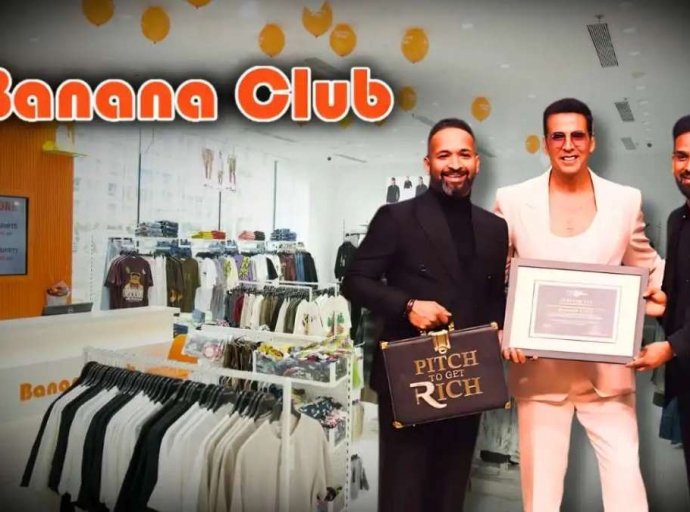
Banana Club expands into accessories to capture high-margin retail growth

Banana Club is broadening its commercial footprint by launching a dedicated accessories line, entering a segment projected to expand by 14 per cent CAGR over the next three years. Historically recognized for its casual streetwear and denim collections, the brand is introducing leather goods, headwear, and utility hardware to capture higher margins. This portfolio expansion addresses changing consumer spending patterns where shoppers increasingly seek complete, coordinated wardrobe solutions from single retail destinations.

Capitalizing on direct-to-consumer momentum

The newly introduced accessories range leverages the brand's established digital infrastructure and high-traffic physical storefronts to maximize inventory turnover. By optimizing localized supply chains, Banana Club has minimized lead times for seasonal items by twenty percent compared to industry averages. Expanding our product architecture allows us to deepen customer engagement and maximize retail productivity per square foot, noted Marcus Vance, Chief Commercial Officer, Banana Club. The brand projects the new category will contribute twelve percent to total annual revenue by the close of the fiscal year.

Driving retail resilience and market competitiveness

Navigating competitive pressures within value apparel requires brands to diversify revenue streams beyond traditional textile lines. Industry analysts indicate that accessory integration helps mitigate raw material cost volatility inherent in cotton and synthetic fibers. By introducing versatile, lower-cost-to-produce items alongside its flagship apparel, Banana Club is successfully insulating its profit margins against macroeconomic headwinds while strengthening customer loyalty across core urban demographics.

Targeting steady revenue expansion

Banana Club is a contemporary apparel and lifestyle brand specializing in streetwear, casual denim, and lifestyle products. Operating across major metropolitan markets and digital e-commerce channels, the brand focuses on scaling profitable omnichannel operations, targeting steady revenue expansion, and maintaining a strong historical footprint in modern youth apparel.

Banana Club expands into accessories to capture high-margin retail growth

Raymond strengthens leadership with Salil Bawa as the new Head-Investor Relations

The Raymond Group has appointed seasoned finance professional Salil Bawa as the new Group Head-Investor Relations to direct capital-markets strategy and stakeholder engagement across its growing portfolio of listed entities. Operating on the rolls of Raymond Realty, Bawa steps into the role with a mandate to refine communication with global institutional investors, sovereign wealth funds, and the equity research community. Group Chief Financial Officer Rakesh Tiwary noted that the appointment arrives at a crucial juncture as the enterprise operates through multiple focused value-creation platforms, making transparent institutional storytelling essential for long-term shareholder valuation.

Leveraging proven expertise in strategic corporate transitions

Bringing over 25 years of financial leadership experience, Bawa previously spearheaded corporate development and investor relations at the LNJ Bhilwara Group, following a notable tenure at the Welspun Group where he successfully tripled institutional ownership within an 18-month window. His career background encompasses complex corporate milestones, including major demergers, initial public offerings, qualified institutional placements, and targeted global roadshows. As retail, lifestyle, and real estate segments navigate shifting macroeconomic conditions, strengthening financial transparency allows diversified manufacturing and consumer groups to build robust market confidence and optimize capital allocation.

Focusing on domestic retail expansion

Headquartered in Mumbai, the Raymond Group is one of India’s most prominent conglomerates with core business interests spanning lifestyle apparel, textiles, retail, and real estate development. Operating several independent, listed entities, the enterprise focuses on high-growth domestic retail expansion, premium lifestyle branding, and large-scale residential projects nationwide.

Raymond strengthens leadership with Salil Bawa as the new Head-Investor Relations

Titan to expand premium market share with new acquisitions

Titan Company is actively evaluating targeted acquisitions of boutique watch brands to boost its presence in the fast-growing luxury and premium timepieces segment. As urban disposable incomes rise across India, domestic consumers increasingly favor high-end, design-forward accessories over legacy mass-market models.  The brand’s strategic roadmap involves nurturing internal premium lines while remaining receptive to inorganic growth opportunities that complement our existing retail architecture, notes CK Venkataraman, Managing Director, Titan Company. This proactive stance reflects a broader retail realignment where heritage conglomerates leverage mergers and acquisitions to capture high-margin discretionary spending.

Much More

Navigating retail expansion and margin Dynamics

The premium horology sector faces intense competition from international luxury imports, demanding rigorous inventory control and elevated experiential retailing. To maintain robust operating margins, Titan is expanding its specialized retail store formats, integrating personalized customer service with omnichannel digital touchpoints. Industry data indicates that the premium watch category has surged by over 25 per cent Y-o-Y, driving sustained revenue velocity despite broader inflationary pressures affecting mass-market retail tiers.

Refer

Sustaining double-digit revenue growth with robust demand

Established as a joint venture between the Tata Group and TIDCO in the mid-1980s, Titan Company designs, manufactures, and retails watches, jewelry, and lifestyle accessories. Key markets span pan-India retail networks and emerging international hubs. Growth plans target aggressive premium store expansions and strategic brand acquisitions. Financially, the company sustains robust double-digit revenue growth driven by soaring demand for luxury consumer goods.

SUSTAINABILITY

Titan to expand premium market share with new acquisitions

Biba opens first store in Melbourne, Australia, marking new milestone in international expansion

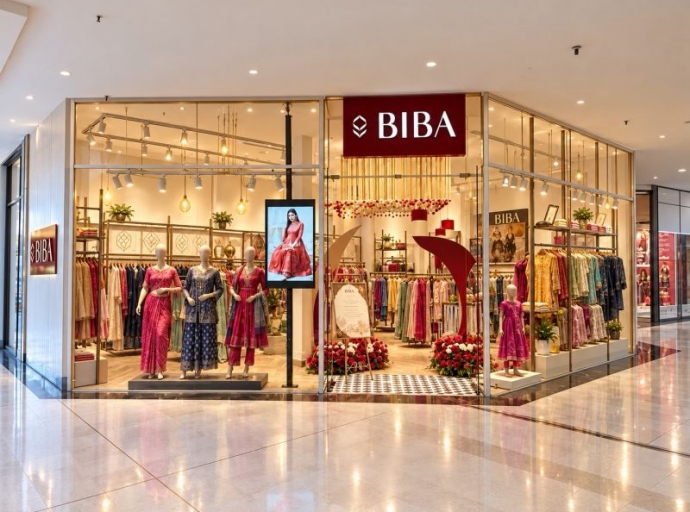
Leading Indian ethnic and contemporary wear brand Biba has officially widened its international footprint by launching its maiden brick-and-mortar storefront in Melbourne, Australia. Located within the prominent Westfield Fountain Gate complex, the new retail space transitions the brand from digital-only cross-border e-commerce to a direct offline presence, aiming to capture surging local demand for traditional and fusion apparel. Company communications noted that introducing the vibrancy and heritage of Indian fashion to a mainstream Australian shopping environment reflects a major strategic achievement. Industry observers highlight that the expansion capitalizes on Australia's expanding demographic segments and rising mainstream interest in festival, wedding, and everyday ethnic wear.

Bridging diaspora demand and mainstream retail

The Melbourne launch strategically addresses the sizeable South Asian diaspora while positioning Indian fashion as a versatile lifestyle choice for international consumers. The newly inaugurated store showcases an extensive inventory spanning signature cotton kurtas, coordinated suit sets, festive anarkalis, and specialized younger-focused contemporary lines. Corporate leadership emphasizes that physical retail integration allows the brand to test localized consumer responses more effectively as part of its wider strategy to scale operations across international territories, including North America and Southeast Asia, while maintaining strong revenue momentum in its core domestic market

An organized retail powerhouse

Biba is engaged in designing and retailing of women's and girls' ethnic, fusion, and contemporary apparel, including kurtas, suit sets, lehengas, and matching accessories. The brand operates an extensive network across more than 150 Indian cities alongside growing international channels in the United States, Canada, Malaysia, and Australia. It focuses on aggressive domestic store additions alongside targeted international physical and digital retail expansion.

Backed by stable annual revenues approaching Rs 790 crore, the brand targets sustained double-digit growth rates. Founded in 1988 by Meena Bindra as a home-grown Indian fashion enterprise, the brand has evolved into an organized retail powerhouse.

Biba opens first store in Melbourne, Australia, marking new milestone in international expansion

D2C streetwear brand Indian Walker secures Rs 20 crore valuation in pre-seed funding

A prominent direct-to-consumer streetwear and carry-first brand, Indian Walker has secured an undisclosed pre-seed funding round from Palette Wealth Management at a post-money valuation of Rs 20 crore. Operating under the CoFounder Circle Venture Studio, the enterprise represents a fresh wave of contemporary domestic labels attracting institutional capital to fill gaps in urban lifestyle accessories. The fresh capital injection will primarily fund inventory expansion, scale core product categories, and introduce new stock-keeping units to its popular Level Up collection, which has surpassed 10,000 units sold since inception.

Expanding omnichannel distribution and market reach

The brand is shifting its strategic focus from a single-channel direct-to-consumer website toward a broader multi-marketplace presence, planning upcoming storefront launches on major digital platforms including Amazon, Flipkart, and Myntra, alongside quick-commerce channels. Company leadership noted, managing inventory velocity is critical as consumer demand outpaces current supply. This round lets us build more of those bags, keep them in stock and put the right team behind them, remarks Md. Sakib, Founder and CEO. Over the next two years, the enterprise targets reaching Rs 100 crore in annual recurring revenue while expanding its loyal customer base past one lakh buyers.

Aiming for dominant share in lifestyle retail sector

Founded in 2025 by Md. Sakib, New Delhi-based Indian Walker specializes in mid-premium backpacks and carry solutions designed for daily urban commuting and contemporary streetwear aesthetics. Targeting young, mobile consumers with price points ranging from Rs 2,000 to Rs 4,000, the brand combines rugged utility with modern styling. Backed by structured venture studio mentorship and recent institutional financing, the company is rapidly scaling its operations, marketing footprint, and team functions to capture dominant market share in India's expanding lifestyle retail sector.

D2C streetwear brand Indian Walker secures Rs 20 crore valuation in pre-seed funding

Vero Moda ropes in Aditi Rao Hydari to spearhead Autumn-Winter 2026 Campaign

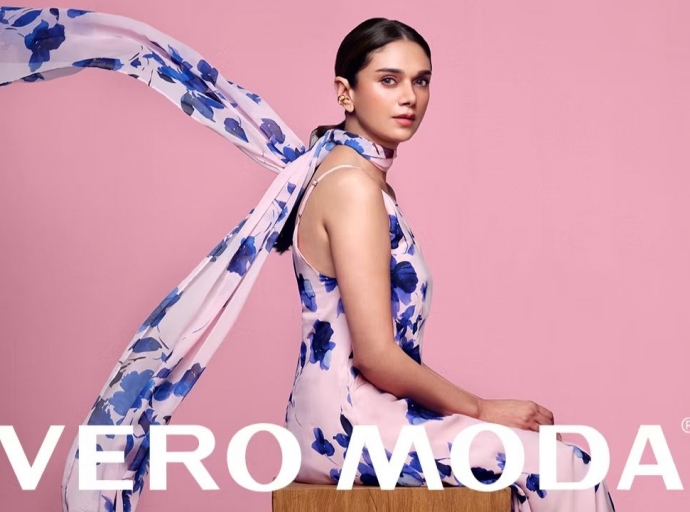
Danish fashion powerhouse Vero Moda has officially appointed acclaimed cinematic artist Aditi Rao Hydari as the official brand ambassador for its upcoming Autumn-Winter 2026 collection. The high-profile partnership anchors the brand's latest seasonal rollout, which features sophisticated outerwear, tailored ensembles, and contemporary silhouettes curated for metropolitan consumers. By blending international design aesthetics with celebrity-led storytelling, the brand aims to strengthen consumer engagement across its expanding physical store network and digital channels ahead of the peak festive shopping season.

Much More

Expanding contemporary market share

Retail analysts note, securing high-profile celebrity partnerships serves as a strategic lever to capture rising discretionary spending within India's organized women's apparel sector. Hydari embodies the elegance and independent spirit that define our design philosophy for the modern wardrobe, states Vineet Gautam, CEO, Bestseller India. Industry projections indicate, this marketing campaign will significantly boost average transaction values, accelerating double-digit revenue growth across retail flagships nationwide.

Refer

Driving growth with omnichannel retail expansion

Established in Denmark, Vero Moda operates as a premier international fast-fashion brand under the Bestseller umbrella, specializing in chic, contemporary women's apparel. Focusing on global urban markets, the brand drives growth through omnichannel retail expansions, backed by robust financial performance and strong market penetration.

SUSTAINABILITY

Vero Moda ropes in Aditi Rao Hydari to spearhead Autumn-Winter 2026 Campaign

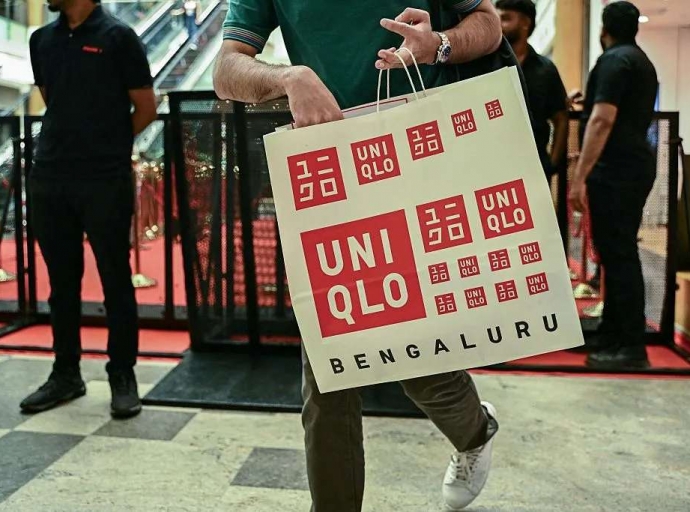
Uniqlo, Muji to Nitori Japanese retailers step up India expansion

Japan’s corporate sector is stepping up its India strategy as shrinking domestic demand, geopolitical tensions and supply-chain concentration risks force companies to search for new engines of growth. For Japanese fashion, lifestyle and retail companies India is changing from a diversification market to a long-term strategic base.

Seventeen consecutive years of population decline in Japan have increased pressure on companies to offset weak domestic consumer volumes, while increasing China-related risks are encouraging businesses to diversify their Asian exposure.

The shift has been reinforced by growing bilateral economic engagement. During recent India-Japan trade discussions in Tokyo, Japanese enterprises committed $12.5 billion through 120 agreements across manufacturing, semiconductors and green energy. The commitments form part of a broader Japanese objective to deploy 10 trillion yen in India, signalling a move beyond infrastructure and manufacturing towards consumer-facing businesses.

Much More

Retailers move beyond pilot phase

India’s growing urban consumption base is attracting Japanese brands across apparel, footwear, home and lifestyle categories. Fast Retailing’s Uniqlo has already established a profitable operating model in India, while Muji and Onitsuka Tiger continue to expand across premium shopping centres in Mumbai, Delhi-NCR and Bengaluru.

The next phase is bringing new categories into the market. Nitori Holdings, Japan’s largest furniture and home-furnishing retailer, with over 1,000 stores globally, has entered India with a flagship outlet at R City Mall in Mumbai. The company is targeting an Indian home-interiors market expected to cross $38 billion by 2029.

Convenience retail is another potential growth avenue. Lawson has outlined plans to establish an Indian base and has a long-term ambition to build a network of up to 10,000 stores across the country by 2050.

Table:  Japanese retail & lifestyle majors India expansion strategies

Japanese company/brand

India strategy

Opportunity

Uniqlo

Store and sales expansion

Apparel and urban consumption

Muji

Premium lifestyle retail

Home, lifestyle and fashion

Onitsuka Tiger

Premium footwear expansion

Affluent urban consumers

Nitori

Mumbai entry

Furniture and home interiors

Lawson

Long-term market entry

Convenience retail

Much More

Capital creates a wider market

The retail push is being supported by a deeper Japanese corporate ecosystem in India. Deloitte research on Japanese Global Capability Centres reveal Japan is the largest Asia-Pacific contributor to India’s GCC, with over 100 dedicated innovation and engineering centres. These operations support enterprise technology, supply-chain analytics and artificial intelligence, strengthening the infrastructure available to Japanese companies expanding locally.

India’s broader GCC industry itself is projected to generate $470 billion-$600 billion by FY2030, creating an attractive technology and talent base for Japanese corporations. Financial investment is also growing. MUFG Bank’s acquisition of a 20 per cent stake in Shriram Finance for $4.4 billion and Sumitomo Mitsui Banking Corporation’s 24.22 per cent holding in Yes Bank demonstrate the scale of Japanese institutional capital entering India. Meanwhile, Suzuki Motor Corporation’s arm, Next Bharat Ventures, has launched a $200 million fund to invest in regional businesses.

EASITEX

Uniqlo offers the template

Uniqlo offers the clearest example of how Japanese retailers can scale in India by combining global operating systems with local market adaptation. Uniqlo India reported revenue of more than Rs 1,100 crore in FY25, a 44 per cent year-on-year growth. Its strategy has centred on functional everyday apparel, localisation through Indian manufacturing partnerships and positioning stores in high-quality shopping destinations. The company is now targeting a significant increase in its physical network and has set its sights on Rs 3,000 crore in annual sales over the medium term.

For other Japanese retailers, the model shows that India's value proposition is not simply its population size. Rising disposable incomes, urbanisation and the expansion of organised retail provide opportunities to build large, recurring consumer businesses.

DFU Profile

India brings its own hurdles

The opportunity, however, comes with substantial execution challenges. Japanese companies entering retail must deal with local sourcing requirements applicable to single-brand retail, expensive real estate in major metro markets and lengthy municipal and environmental approval processes. These factors can raise the cost and time required to establish large physical networks.

There is also a limitation to India’s role as a China alternative. Japanese companies remain deeply connected to East Asian manufacturing and supply networks. Consequently, India's emergence is more likely to represent diversification rather than an immediate replacement for China. The broader strategy is therefore one of risk management: building India as an additional production, technology and consumption hub while reducing excessive dependence on any single market.

Refer

India becomes a long-term growth hedge

For Japan's retail sector, India's importance extends beyond immediate store openings. The country offers a combination of demographic scale, expanding middle-class consumption, manufacturing capabilities and a rapidly developing technology ecosystem. As domestic Japanese demand falls, companies such as Fast Retailing are looking at India not merely as another overseas market, but as a platform for sustained Asian growth. The resulting retail expansion could therefore become one of the more visible outcomes of a broader Japanese corporate reallocation towards India one driven as much by necessity at home as by opportunity abroad.

SUSTAINABILITY

Uniqlo, Muji to Nitori Japanese retailers step up India expansion

Arvind Fashions reclaims Flying Machine ownership to boost D2C growth

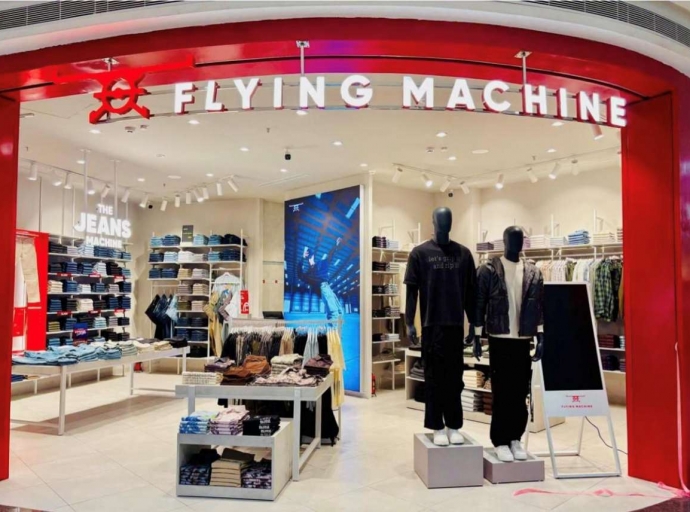
Arvind Fashions has completed a Rs 135-crore acquisition of Flipkart Group’s 31.25 per cent stake in Arvind Youth Brands, making Flying Machine a wholly owned subsidiary and giving the apparel major complete control over the four-decade-old denim label. The transaction comes as Arvind seeks to reposition Flying Machine from a traditional branded denim business into a more tightly controlled, direct-to-consumer (D2C) youthwear platform. The brand’s revenue declined 8.5 per cent, from Rs 472.38 crore in FY23 to Rs 432.16 crore in FY25, increasing the urgency around its ongoing turnaround.

Rather than build another youth brand from scratch, Arvind is using Flying Machine’s established brand recognition, distribution network and consumer familiarity as the foundation for renewed growth.

Table:

Parameter

Flying Machine performance & targets

FY23 Turnover

Rs 472.38 cr

FY25 Turnover

Rs 432.16 cr (-8.5% decline over two years)

Buyout Consideration

Rs 135 cr for 31.25% equity stake

Recent Digital Growth

70% B2C digital expansion post-repositioning

Retail Growth Trajectory

Double-digit store expansion

Proprietary Web Launch

flyingmachine.com planned for H2 FY27

From marketplace to ownership

The Flying Machine buyout is significant because it gives Arvind greater control over product, pricing, promotions and consumer engagement. The company had entered a partnership with Flipkart in 2020, gaining access to the marketplace’s large digital customer base. However, marketplace-led growth can also expose brands to discounting pressures and limit access to first-party consumer data.

Arvind’s new structure allows Flying Machine to retain broad-based marketplace distribution while developing its own digital infrastructure. The company plans to launch flyingmachine.com in the second half of FY27, creating a dedicated online channel alongside its existing retail and marketplace presence. The strategy is aimed at improving price realization while building direct relationships with consumers.

Reworking the youthwear proposition

Flying Machine is also moving beyond its traditional denim positioning. Its current merchandise strategy includes relaxed fits, oversized silhouettes, streetwear-inspired products and premium utility apparel designed to appeal to Gen Z and millennial consumers. The early indicators have been encouraging. Online B2C sales have risen 70 per cent following repositioning, while the retail network has recorded double-digit growth. The challenge now is to convert that momentum into sustained profitable growth without reverting to deep discounting.

Two brands, two roles

Arvind Fashions is simultaneously pursuing a greenfield strategy through AD, its contemporary ready-to-wear label, and a revival strategy through Flying Machine. AD is positioned as a faster-moving youthwear platform, allowing Arvind to experiment with trends, urban aesthetics and shorter merchandise cycles. Actor and performer Raghav Juyal was signed as its brand ambassador in September 2025, while the brand launched its ‘Urban Pause 2.0’ Spring/Summer 2026 collection and dedicated e-commerce platform, adbyarvind.com. Flying Machine, by contrast, offers the scale and heritage. Its established customer base and distribution footprint give Arvind a larger platform on which to deploy its D2C strategy. This effectively creates a two-speed youthwear portfolio: AD can test emerging trends, while Flying Machine can scale proven propositions across markets.

D2C becomes the growth lever

Arvind’s broader financial performance underlines the increasing importance of owned consumer channels. The company reported consolidated FY26 revenue of Rs 5,266 crore, a 14 per cent year-on-year growth. D2C and branded retail counters contributed 56 per cent of fourth-quarter sales, while group-wide online B2C volumes increased 45 per cent during the fiscal year. For Flying Machine, the next phase will therefore involve balancing its extensive third-party distribution with proprietary digital growth. Complete ownership also removes potential friction in decisions around pricing, product launches and channel allocation. This could help the brand present a more consistent full-price proposition across stores, marketplaces and its own website.

Legacy brand, new retail model

Flying Machine was established in 1980 by Arvind Limited as India’s first domestic denim brand. Its revival reflects a broader shift in Indian fashion retail, where established labels are increasingly combining physical distribution with D2C infrastructure rather than relying predominantly on wholesale or marketplace channels. The Rs 135-crore transaction is therefore more than an ownership change. It is Arvind Fashions’ attempt to extract renewed value from an established youth brand while bringing its customer relationship, pricing architecture and digital growth strategy increasingly under its own control. The success of the strategy will ultimately depend on whether Flying Machine can translate its recent digital and retail momentum into sustained revenue growth and stronger margins while remaining relevant to younger consumers.

Arvind Fashions reclaims Flying Machine ownership to boost D2C growth

Latest Publications

Image

Join Our Group

Join Our Group