All Stories

Peter England leverages cricket fandom to drive SS26 retail engagement

In a move to capitalize on the heightened consumer engagement during the IPL season, Peter England has unveiled the third iteration of ‘The Gentlemen’s League’ for its Spring Summer 2026 collection. By synthesizing high-performance fabric technology with the visual motifs of cricket - such as ball seams, pitch markings, and wicket formations - the brand is shifting from traditional menswear marketing to experiential storytelling. This strategy addresses the growing demand for ‘smart-casual’ apparel that balances functional utility with thematic relevance. Anand Aiyer, Chief Business Officer, noted, the initiative seeks to translate the sport’s core values of resilience and precision into tangible design elements, catering to a demographic that views style as a reflection of character.

Commercial impact and consumer connectivity

Beyond aesthetic appeal, the collection integrates advanced technical features, including ‘butter-touch’ mercerized cotton and high-IQ dyed fabrics, designed for durability and ease of maintenance. This focus on functional quality is a calculated response to the modern consumer’s preference for versatile, long-lasting wardrobes. The brand is further deepening market penetration through ‘Weekend Power Play’ digital activations and interactive quizzes, which leverage the influence of cricket icons Harsha Bhogle and Dinesh Karthik. By blending celebrity-led advocacy with limited-drop retail cycles, Peter England is effectively driving omnichannel footfall, demonstrating a robust commercial model that aligns cultural passion with seasonal inventory turnover.

Focusing on accessible premium fashion

A flagship menswear label under Aditya Birla Fashion and Retail Limited (ABFRL), Peter England offers a comprehensive range of formal, casual, and party wear. With over 1,000 retail touchpoints across India, the brand focuses on accessible premium fashion. Founded in 1889 in Ireland, it was acquired by the Aditya Birla Group in 2000, and it remains one of India’s largest garment retailers.

Peter England leverages cricket fandom to drive SS26 retail engagement

Fabindia refines retail strategy with artisan-led seasonal growth

The long-standing proponent of Indian heritage textiles, Fabindia is currently navigating an evolution in its retail strategy as of mid-2026. The brand is transitioning away from traditional, museum-like retail environments toward a more agile, consumer-centric model that emphasizes versatility and seasonal responsiveness. Recent strategic initiatives, such as the May 2026 launch of the ‘That Summer Feeling’ campaign, demonstrate this shift. The collection moves beyond conventional ethnic wear by integrating a robust Western-style line characterized by breathable linen and cotton, tailored for both professional workwear and casual engagement. This approach reflects a broader commercial imperative: translating India’s intricate craft legacy—including techniques like Ajrakh, Dabu, and Ikat—into contemporary, functional apparel that aligns with the evolving lifestyle needs of the urban middle-class consumer.

Balancing authenticity with market dynamism

As the retail landscape faces increased pressure from fast-fashion competitors, Fabindia is leveraging its unique supply chain as a competitive advantage. By maintaining direct, long-term relationships with over 55,000 rural artisans, the company continues to anchor its brand identity in transparency and ethical sourcing. This artisan-led model allows for a value-premium positioning that resonates with conscious, educated buyers. The brand’s ability to remain relevant relies on successfully blending the timelessness of handloom techniques with the modern appetite for clean, functional silhouettes, notes a retail analyst. Beyond apparel, the company is further diversifying its footprint by integrating lifestyle categories - ranging from wellness products to home décor - into a unified omnichannel experience. This strategy seeks to stabilize revenue growth by deepening the brand’s presence in the everyday lifestyle segment, rather than relying solely on festive or occasional demand.


Fabindia is a prominent Indian lifestyle brand founded in 1960. It specializes in apparel, home furnishings, personal care, and organic food products, all rooted in traditional Indian craftsmanship. With a vast retail network across India and international markets, the company focuses on scaling sustainable employment for rural artisans. Historically transitioning from an export-oriented business to a domestic retail powerhouse, Fabindia maintains a commitment to authenticity, utilizing the Craftmark certification to validate its commitment to preserving and promoting indigenous hand-woven and natural fiber traditions.

Fabindia refines retail strategy with artisan-led seasonal growth

Lenskart expands global footprint with Rs 53 crore investment in overseas subsidiaries

Eyewear leader Lenskart is intensifying its international footprint with a Rs 53 crore capital infusion into its overseas subsidiaries, Owndays and Lenskart Singapore. According to recent regulatory filings, the company is set to acquire a 1 per cent stake in its Japanese affiliate, Owndays, for approximately Rs 50 crore, bringing its indirect aggregate shareholding to nearly 97.67 per cent. An additional Rs 3 crore is earmarked for increasing its stake in Lenskart Singapore. This move serves to consolidate control over its regional operations, ensuring unified strategic oversight as the company navigates diverse markets across Southeast Asia and East Asia. The consolidation is timely, following a robust fourth-quarter performance where the brand recorded a 46 per cent Y-o-Y revenue growth to Rs 2,516 crore.


Fueling the next growth phase

The investment aligns with the firm’s broader transition toward becoming a ‘consumer-AI company.’ Peyush Bansal, Founder has signaled, the company’s FY27 roadmap focuses on integrating advanced automation and AI across its global supply chain. While maintaining a strong retail presence, the brand is concurrently expanding its eye-testing capacity, with an ambitious goal to conduct 100 million tests globally over the coming years. By reinforcing its regional corporate structure through these stake acquisitions, Lenskart is positioning itself to leverage centralized manufacturing and data-driven product design to maintain its competitive edge against local incumbents in international markets.


The Lenskart retail model

Founded in 2008, Lenskart operates as an omnichannel eyewear retailer, offering prescription glasses, sunglasses, and contact lenses. It maintains a significant presence in India, Southeast Asia, and Japan. The company is currently scaling its operations through AI-integrated retail hubs and a centralized manufacturing supply chain to achieve sustainable long-term profitability.

Lenskart expands global footprint with Rs 53 crore investment in overseas subsidiaries

Monte Carlo Fashions redefines premium mid-market segment with new fabric launch

Monte Carlo Fashions is redefining the premium mid-market segment for the 2026 fiscal year by prioritizing material science over traditional tailoring. At the core of this seasonal expansion is the refined Air Tech Series, which has seen a 15 per cent increase in production volume to meet the rising demand for climate-adaptive apparel in India’s urban centers. Unlike standard cotton blends, this year’s engineered fabric utilizes specialized micro-capillary fibers that facilitate moisture transfer at nearly double the rate of previous iterations. This focus on performance-driven fashion addresses a critical shift in consumer behavior where functionality now rivals aesthetics. Industry analysts note,’smart fabrics’ are no longer niche, with Monte Carlo’s seamless construction line serving as a benchmark for local competitors attempting to balance industrial durability with high-street elegance.

Navigating market volatility with innovation

The brand’s strategic focus on the ‘Second-Skin’ category provides a significant competitive advantage as the retail sector faces fluctuating raw material costs. By integrating lightweight denim and gravity-defying trousers into its core catalog, Monte Carlo is capturing the hybrid-work demographic that demands versatile attire. Retail data indicates, the brand’s omnichannel approach is paying off, with a projected 12 per cent revenue growth driven by the summer line's appeal across men’s and women’s segments. The primary challenge remains the increasing cost of high-performance fiber sourcing; however, Monte Carlo’s vertically integrated manufacturing helps mitigate these pressures. According to Rishabh Oswal, Executive Director, the goal is to transform the brand from a seasonal winter powerhouse into a perennial lifestyle leader, ensuring that the ‘Air Tech’ identity becomes as synonymous with the brand as its heritage knitwear.

Heritage and expansion: The Oswal legacy

An Indian apparel leader founded in 1984 by the Nahar Group, Monte Carlo Fashions specializes in premium knitwear, cotton garments, and home textiles. Operating primarily in North and East India, the company is aggressively expanding its presence in the South and West through 350+ exclusive brand outlets and extensive e-commerce partnerships. After decades of dominating the winter wear market, Monte Carlo has successfully diversified into a year-round fashion house, maintaining a robust double-digit EBITDA margin and a reputation for manufacturing excellence in its Ludhiana-based facilities.

Monte Carlo Fashions redefines premium mid-market segment with new fabric launch

Aza Fashions elevates purpose-driven retail with Bal Raksha Bharat partnership

In a strategic expansion of its brand narrative, luxury retail leader Aza Fashions has launched a formal association with the child rights organization Bal Raksha Bharat. This initiative marks a shift in the company’s operational framework, embedding social impact directly into the consumer journey. By integrating donation mechanisms across its Point-of-Sale (POS) systems and digital storefront, Aza is formalizing its commitment to corporate social responsibility (CSR) at the point of transaction. This model mirrors broader 2026 retail trends, where premium brands are increasingly prioritizing trust and ‘value-based’ engagement to foster deeper emotional resonance with an affluent, conscious demographic.

Shaping the future of conscious consumption

Currently in its soft-launch phase, this partnership serves as a testbed for seamless philanthropic integration. According to Devangi Nishar Parekh, Managing Director, Aza Fashions, the brand recognizes that modern luxury must transcend mere aesthetics, asserting, luxury can also be meaningful. This move aligns with industry data suggesting, 65 per cent of younger luxury consumers now prefer purchasing from brands that demonstrate tangible commitment to social causes. By leveraging its omnichannel presence - spanning 14 physical boutiques and a global e-commerce platform shipping to over 75 countries - Aza is effectively bridging the gap between high-end couture and community development, positioning itself as a leader in the evolving landscape of ethical retail.

Luxury bridal couture destination

Founded in 2005 by Dr Alka Nishar, Aza Fashions is a premier destination for luxury bridal, couture, and prêt-à-porter collections. Headquartered in Mumbai, the retailer showcases prominent Indian designers like Anamika Khanna and Tarun Tahiliani. With a robust omnichannel strategy and recent expansion into fine lab-grown diamond jewelry, Aza continues to drive growth through retail footprint expansion in Tier II cities and digital innovation.

Aza Fashions elevates purpose-driven retail with Bal Raksha Bharat partnership

Levi Strauss India honors ACCL with ‘Denim Warriors’ award

Active Clothing Co (ACCL) has been formally recognized for its manufacturing prowess at the prestigious Levi Strauss India ‘Denim Warriors’ Awards. The Mohali-headquartered manufacturer received the ‘Best Product Quality’ and ‘Best Delivery Performance’ accolades, underscoring its critical role in the global apparel giant's regional supply chain. These awards highlight ACCL’s ability to maintain stringent international quality standards while meeting high-volume delivery timelines, a feat increasingly rare in a fragmented post-pandemic manufacturing landscape.

Scaling vertical integration and technical capacity

The recognition comes at a time when ACCL is aggressively expanding its technical textile capabilities to service the burgeoning activewear and athleisure segments. By maintaining a vertically integrated setup - spanning knitting, dyeing, and garmenting - the firm has successfully reduced lead times, a key metric for retail partners like Levi’s. Consistency in execution is the bedrock of long-term partnerships in the global apparel industry, noted a supply chain lead at Levi Strauss India. ACCL’s performance is particularly notable given the rising logistical complexities and raw material price fluctuations that have impacted the broader Indian textile sector over the past fiscal year.

Strategic positioning in the global value chain

As global brands increasingly adopt a ‘China Plus One’ sourcing strategy, manufacturers like ACCL are positioned as primary beneficiaries. The company’s focus on sustainable manufacturing processes and audit compliance has allowed it to secure contracts from premium labels beyond Levi’s, including United Colors of Benetton and Skechers. With the Indian technical textile market projected to reach $40 billion by 2030, ACCL is investing in specialized machinery to enhance its performance-fabric output. This strategic alignment with high-growth categories suggests a robust revenue outlook for the company as it transitions from a traditional garmenter to a diversified technical apparel partner.

Full-service apparel manufacturing

Active Clothing Co is a vertically integrated apparel manufacturer specializing in high-performance activewear, denim, and knitted garments. Based in Punjab, the company services major international brands across India and Europe. With a focus on sustainable production and state-of-the-art machinery, ACCL aims to scale its export volume by 20 per cent by FY28.

Levi Strauss India honors ACCL with ‘Denim Warriors’ award

Studio Rigu redefines heritage luxury with new collection

Studio Rigu has transitioned from traditional inspiration to a sophisticated market strategy with its latest collection, ‘Leal.’ While previous seasons leaned into the soft aesthetics of Jaipur, the current line leverages a 15 per cent increase in high-end resort wear demand to introduce bolder, deep-crimson palettes. This shift aligns with a broader retail trend where Indian artisanal brands are securing premium shelf space in international multi-brand outlets. By utilizing structured silks and hand-blocked motifs, the label targets a 20 per cent Y-o-Y revenue increase, capitalizing on the ‘elevated ethnic’ segment that currently dominates contemporary Indian fashion.

Engineering sustainable scalability

The commercial success of this collection hinges on a decentralized production model that integrates 100 rural artisans directly into the supply chain. This approach mitigates the common industry challenge of quality consistency in handmade apparel. Industry analyst Meera Kapoor notes, brands like Studio Rigu are no longer just selling a story; they are capturing a market share worth $1.2 billion in the luxury craft sector. By optimizing inventory turnover through limited-edition drops, the brand effectively minimizes waste while maintaining the exclusivity required by its primary demographic in Delhi, Mumbai, and Dubai.

Strategic market positioning

Studio Rigu is a contemporary design house specializing in luxury prêt and structured resort wear. Operating primarily in the Indo-Pacific and Middle Eastern markets, the brand focuses on merging artisanal techniques with modern silhouettes. Having achieved 25 per cent growth last fiscal year, it plans to expand its physical footprint into European boutiques by 2027.

Studio Rigu redefines heritage luxury with new collection

Campus Activewear reimagines identity to capture youth athleisure market

Campus Activewear has officially transitioned its brand positioning, moving beyond its traditional sportswear foundations to embrace a lifestyle-oriented identity. The reveal, conducted at the company’s annual distributors' meet, ‘Shoecase 2026,’ introduced a new visual system characterized by three outward arrows and lines. This aesthetic shift is not merely cosmetic; it represents a fundamental change in the company’s engagement strategy. By aligning its visual language with a ‘Move Your Way’ philosophy, Campus aims to resonate with a demographic that views footwear as an essential component of personal identity and self-expression rather than a purely functional necessity.

Aligning operations with evolving consumer demographics

This rebranding effort arrives at a critical juncture for the company as it seeks to deepen its connection with Gen Z consumers. According to Nikhil Aggarwal, Whole Time Director and CEO, Campus Activewear, the move reflects a generation that values individuality and draws inspiration from dynamic cultural shifts. Industry analysis supports this focus, as retailers globally shift from campaign-led marketing to ecosystem-led brand building. By integrating its new identity across its vast network of over 23,000 retail touchpoints and 300+ exclusive brand outlets, Campus is betting that this culture-first approach will solidify its leadership in the competitive Indian athleisure segment. The brand’s recent move to strengthen its internal leadership with a new Chief Operating Officer and Vice President of HR further signals a commitment to operational agility as it executes this market-wide transformation.

Focus on premiumization and category expansion

Founded in 2005, Campus Activewear is a prominent Indian sports and athleisure brand specializing in footwear and apparel. It maintains a strong market presence through an extensive omnichannel distribution network. With a focus on premiumization and category expansion, the company continues to see consistent revenue and earnings growth.

Campus Activewear reimagines identity to capture youth athleisure market

Myntra captures Tier-II Gen Z demand via 35-City Glamfest Tour

Myntra is intensifying its offline engagement by deploying the ‘Glamfest’ tour across 35 Indian cities, specifically targeting the influential Gen Z demographic. This initiative moves beyond traditional e-commerce by blending physical trend showcases with digital-first shopping experiences. As the domestic Gen Z fashion market is projected to reach $50 billion by 2030, the platform is leveraging high-decibel on-ground activations to secure loyalty in Tier-II and Tier-III hubs. Industry analysts observe, these regional clusters now account for nearly 40 per cent of demand in the ‘value fashion’ and trend-led segments, making localized physical touchpoints a commercial necessity.


Consolidating FWD dominance through strategic engagement

The tour serves as a physical extension of Myntra’s FWD platform, which has already onboarded over 500 brands to cater to hyper-evolving youth trends. By integrating AR-led try-ons and influencer-led styling sessions, the retailer is addressing the specific logistical and trust-based barriers often found in non-metro markets. The goal is to bridge the gap between digital discovery and physical validation, states a retail operations consultant. This strategy is particularly effective against rising competition from global ultra-fast fashion entities, as Myntra utilizes its extensive logistics network to offer superior delivery speeds compared to cross-border competitors.


Myntra’s market positioning platform evolution and fiscal targets

Founded in 2007, Myntra has transitioned from a niche gift portal to India’s leading fashion e-tailer. It dominates the premium and Gen Z segments across India and select international markets. With a 20 per cent export growth target and a heavy focus on the FWD app-in-app experience, the company maintains a robust revenue outlook driven by technology-led retail.

Myntra captures Tier-II Gen Z demand via 35-City Glamfest Tour

Cantabil strengthens Kashmir footprint with new Srinagar flagship

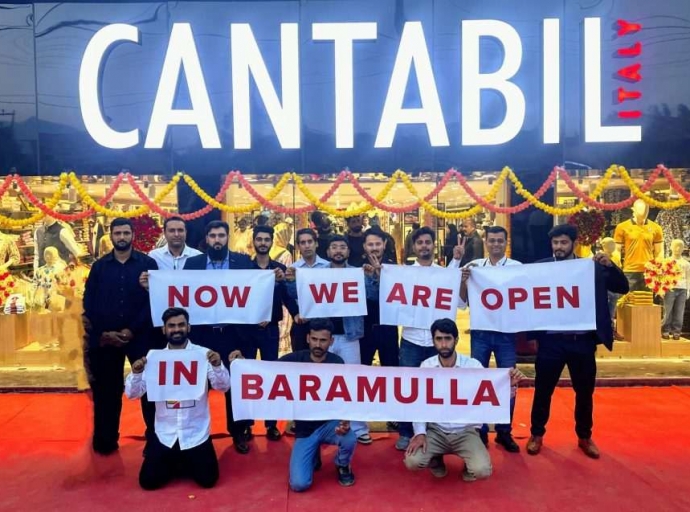
Cantabil Retail India has officially inaugurated its eighth retail location in Srinagar, situated in the commercial hub of Gogji Bagh. This 2,700-sq-ft flagship store represents a calculated effort to deepen the brand's penetration within the Kashmir valley, a region witnessing a distinct rise in demand for organized, mid-premium retail experiences. By establishing a presence in such high-potential urban clusters, the company is effectively capturing the growing aspiration for branded family-wear, which encompasses a wide spectrum from formal corporate attire to casual and festive collections for men, women, and children.

Financial momentum and strategic expansion

This expansion follows a robust fiscal performance for Cantabil in FY26, where the company reported an 18 per cent revenue growth to reach Rs 852.6 crore and a net profit growth of 28 per cent to Rs 95.8 crore. The brand’s strategy of aggressive, asset-light expansion - adding 53 stores throughout the last fiscal year - has brought its total nationwide footprint to 658 outlets. According to management, the focus remains on maintaining high store productivity and efficient inventory rotation, evidenced by a steady 5.24 per cent same-store sales growth. By balancing aggressive network growth with strict financial discipline, Cantabil is steadily advancing toward its ambitious vision of achieving a Rs 1,000 crore revenue milestone by FY27, positioning itself as a formidable player in India's competitive apparel sector.

A comprehensive family wardrobe

Established in 2000, Cantabil Retail is a leading Indian fashion manufacturer and retailer. It offers a comprehensive family wardrobe, including formal, casual, and party wear, alongside footwear and accessories. The company emphasizes pan-India accessibility through its extensive exclusive brand outlet network and maintains a strong focus on high-margin operational efficiency.

Cantabil strengthens Kashmir footprint with new Srinagar flagship

Arvind Fashions secures 62% profit growth amid premiumization drive

Arvind Fashions (AFL) has demonstrated significant fiscal resilience, reporting a 14.8 per cent Y-o-Y revenue growth to Rs 1,365 crore in Q4 FY26. This trajectory is underpinned by a 62 per cent growth in profit after tax (PAT), reaching Rs 139 crore for the full fiscal year. The organization’s performance reflects a disciplined transition toward a high-margin ‘Power Brand’ architecture, moving away from lower-margin value segments to capitalize on India’s Rs 1.5 trillion branded apparel market.

Operational efficiency and channel optimization

The expansion of the EBITDA margin to 13.9 per cent was facilitated by a reduction in retail discounting and a 7.8 per cent like-to-like growth across direct channels. Amisha Jain, Managing Director and CEO, noted,the company’s focus remains on accelerating growth across marquee brands and elevating the brand experience. This strategy is evidenced by the ‘USPA’ label crossing the Rs 2,000 crore milestone, supported by an inventory turnover ratio of 3.8x -a metric that highlights superior demand forecasting and working capital management.

Future scaling and market penetration

Looking toward FY27, AFL plans to add approximately 1.4 lakh sq ft of retail space, focusing on Tier-II and Tier-III cities where aspirational demand is rising. The company aims to scale footwear and kids’ wear to contribute 15 per cent of total revenue by 2027. With a net debt-to-equity ratio optimized to 0.4x, AFL is positioned to leverage its digital infrastructure, which now accounts for 25 per cent of total turnover, ensuring sustained competitive advantage in the premium casual wear segment.

Arvind Fashions is a leading Indian retail powerhouse specializing in premium international brands like Tommy Hilfiger, Calvin Klein, and US Polo Assn. Historically part of the Lalbhai Group, it now operates 1,250 stores nationwide. The company targets mid-teens revenue growth through aggressive category expansion in footwear and digital-first commerce.

Arvind Fashions secures 62% profit growth amid premiumization drive

Liberty Shoes accelerates urban premiumization with strategic Gurugram expansion

Liberty Shoes has intensified its penetration into the high-growth Delhi NCR corridor with the inauguration of a specialized showroom at Elan Epic Mall, Gurugram. This addition marks the brand’s 46th point of sale in the region, signaling a deliberate shift toward premium, high-footfall urban destinations. As the Indian footwear market moves toward a projected valuation of $47.53 billion by 2034, Liberty’s latest retail architecture prioritizes category zoning and structured merchandising to facilitate superior product discovery. This expansion aligns with a broader industry trend where the store-based segment is projected to maintain a 57.3% market share in 2026, driven by consumer demand for fit validation and experiential engagement.

Operational resilience amid evolving market dynamics

The company’s fiscal trajectory reflects a robust recovery, with Q3 FY26 revenue reaching Rs 180.92 crore, a 13 per cent Y-o-Y increase. Despite a volatile raw material landscape - notably a 12.65 per cent reduction in PVC costs - Liberty has maintained a steady EBITDA margin of 7.3 per cent. Our expansion into Elan Mall reflects a conscious transition toward experience-led commerce, stated Anupam Bansal, Executive Director. To mitigate margin pressures, the brand is integrating its physical network with a sophisticated digital ecosystem, targeting a cohesive omnichannel journey. This strategy is particularly vital as the 'non-athletic' segment continues to command 67.6 per cent of domestic demand, necessitating a balanced portfolio of formal, casual, and high-performance athleisure wear.

Market leadership and strategic outlook

Founded in 1954 in Karnal, Liberty Shoes has evolved from a local manufacturer into a leading organized footwear player. The company operates a diversified portfolio including iconic sub-brands like Healers and Senorita, catering to the formal, casual, and school-wear segments. With a market capitalization of approximately Rs 715 crore as of mid-2026, Liberty is currently executing an aggressive urban expansion plan. The financial outlook remains optimistic, supported by a 13 per cent growth in quarterly sales and a renewed focus on the premiumization of its product mix to capture the aspirational middle-class demographic.

Liberty Shoes accelerates urban premiumization with strategic Gurugram expansion

Latest Publications

Image

Join Our Group

Join Our Group