
From wholesale bazaars to modern stores, India’s fashion trade enters a new era
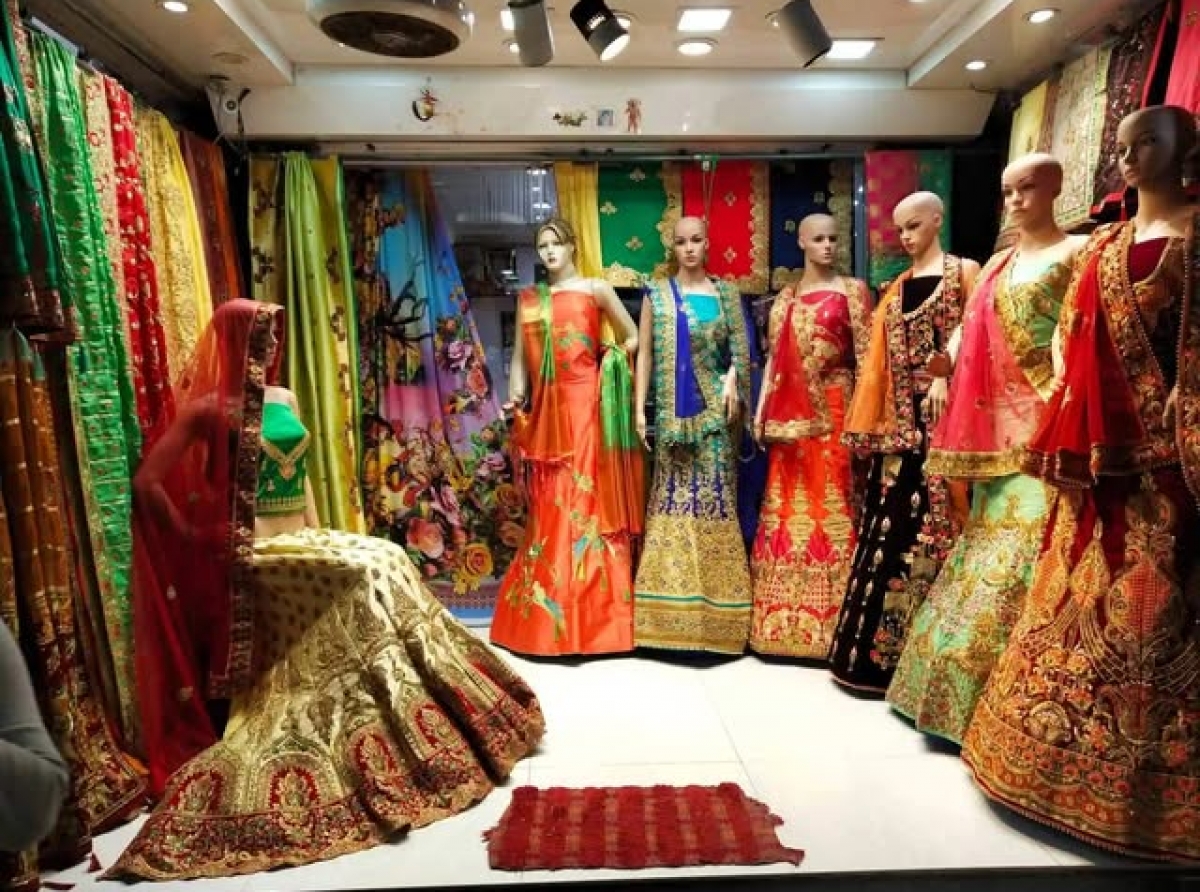
Organised retailers are steadily eroding the dominance of traditional wholesale markets that have shaped India’s fashion trade for decades. From Delhi's Chandni Chowk to Mumbai's Crawford Market across the country, independent wholesalers and family-owned apparel businesses are increasingly finding themselves under pressure from large corporate retailers, digital-first brands and organised value-fashion chains that combine scale with operational efficiency.
As per CareEdge Ratings, India's apparel retail market is expected to grow from Rs 9.3 lakh crore ($112 billion) in FY25 to nearly Rs 16 lakh crore ($193 billion) by FY30. While the industry's growth remains strong, the distribution of that growth is becoming more and more uneven. Organised retail now accounts for nearly 41 per cent of the market, compared to 32 per cent just four years ago, and continues to grow at an annual rate of 10-13 per cent. Much of this increase is occurring at the expense of the country's vast network of unorganised retailers that have served as the backbone of apparel distribution.
The shift is especially pronounced across Tier-II and Tier-III cities. Markets once protected by local consumer loyalty and limited organised competition have become the next frontier for corporate retailers. Lower rental costs, improving infrastructure and rising disposable incomes have enabled national value-fashion chains to rapidly establish a presence in these markets before local businesses can respond.
Speed, scale, supply chains the new battleground
Unlike independent retailers that often purchase inventory seasonally and carry stock for several months, organised retailers have changed the economics of fashion merchandising. Advanced demand forecasting, direct sourcing from manufacturing clusters and rapid inventory replenishment have enabled them to improve working capital efficiency. IMARC Group estimates show that mass-market fashion now contributes 71.6 per cent of India's total apparel sales, making supply-chain efficiency one of the most decisive competitive advantages in the sector.
"The corporate model isn't simply about offering cheaper garments. It is about maximising capital velocity," says Animesh Khurana, a Mumbai-based retail equities analyst. "Traditional wholesalers typically rotate inventory three or four times annually, while organised value-fashion retailers can exceed ten inventory cycles a year. Faster turnover reduces markdowns and keeps assortments constantly refreshed."
The resulting operational advantage has weakened traditional wholesale channels. Merchant associations across leading garment markets report that procurement orders from smaller retailers in rural and semi-urban markets have fallen by nearly 25 per cent over the past four quarters. Independent retailers are sourcing through digital B2B platforms or exiting the market altogether as consumers migrate towards organised retail stores that promise consistent quality, transparent pricing and standardised customer service.
E-commerce expands beyond metros
The rapid expansion of fashion e-commerce has further boosted this transformation. India's online apparel market is projected to reach $63 billion by 2030, growing at a CAGR of approximately 24 per cent. By the end of the decade, digital channels are expected to account for nearly one-fourth of organised apparel sales, supported by omnichannel strategies that integrate physical stores with fulfilment networks.
Digital marketplaces have also substantially lowered entry barriers for private labels, enabling brands to build national reach without investing heavily in physical retail infrastructure. Consumers in smaller towns now have access to an extensive assortment of western wear, athleisure and contemporary ethnic fashion, reducing dependence on neighbourhood retailers.
According to Unicommerce, fashion has emerged as India's largest category within digital commerce, contributing nearly 35 per cent of total online retail transactions. This growing digital adoption is particularly evident among younger consumers who increasingly prioritise convenience, assortment and price transparency over traditional purchasing relationships.
|
Retail metric |
Traditional/Unorganised shops |
Corporate value retail & e-commerce |
|
Current Market Share (2026) |
59% (Declining rapidly) |
41% (Growing at 10%-13% CAGR) |
|
Inventory Turnaround |
90-120 Days |
15 - 30 Days |
|
Sourcing Structure |
Multi-tiered wholesalers |
Direct-from-factory clusters |
|
Projected Segment Size (FY30) |
Slow contraction / stagnation |
Rs 5.0 lakh cr ($60.2 bn) |
|
Consumer Friction |
High (Negotiations, variable quality) |
Low (Fixed value pricing, standard fits) |
Volume-led retail reshape competition
Corporate value-fashion retailers have built their competitive advantage around high sales volumes and disciplined cost structures rather than premium pricing. Minimalist store designs, negligible advertising expenditure and direct sourcing have enabled these businesses to generate significant footfall while maintaining attractive price points.
Several organised value-fashion formats more than doubled their store networks during FY25, with individual brands crossing the $1 billion revenue milestone. Their expansion has been supported not only by operational efficiency but also by favourable taxation.
The existing GST framework applies a lower 5 per cent tax rate to apparel priced below Rs 2,500, encouraging retailers to maintain average selling prices within this threshold. Large organised chains, supported by superior procurement capabilities and economies of scale, have successfully aligned their merchandise strategies with this pricing sweet spot.
Independent retailers, meanwhile, continue to grapple with higher logistics costs, limited purchasing power and shrinking access to institutional credit. Unable to compete on price alone, many regional businesses are exploring cooperative buying models to improve procurement efficiencies, while others are repositioning themselves towards customised occasion wear, bridal apparel and specialised fashion categories where personalised service remains a competitive advantage.
Trent shows the scale advantage
The transformation underway is perhaps best illustrated by the rise of Tata Group-owned Trent Limited and its flagship value-fashion chain, Zudio. Established as the retail arm of the Tata Group in 1998, Trent has emerged as one of India's fastest-growing apparel retailers by focusing on affordable fashion, rapid merchandise refreshes and aggressive expansion into Tier-II and Tier-III cities.
With more than 960 stores across the country, Zudio has built a business model centred on direct factory sourcing, streamlined operations and fast inventory rotation. Supported by Tata's financial strength and integrated sourcing capabilities, Trent reported consolidated revenues of Rs 20,193 crore in FY26, underscoring how scale, supply-chain integration and disciplined execution have become decisive advantages in India's increasingly competitive value-fashion market.
The broader implication for India's apparel ecosystem is clear. Traditional wholesale markets are unlikely to disappear, but their role is evolving rapidly. As organised retailers continue to expand and digital commerce penetrates deeper into smaller cities, legacy businesses will increasingly need to differentiate themselves through specialised products, personalised service and niche market positioning rather than competing on price alone. The next phase of India's apparel growth story is likely to be defined less by overall market expansion and more by which retail models can most effectively adapt to a rapidly changing consumer landscape.










 Get in Touch!
