All Stories

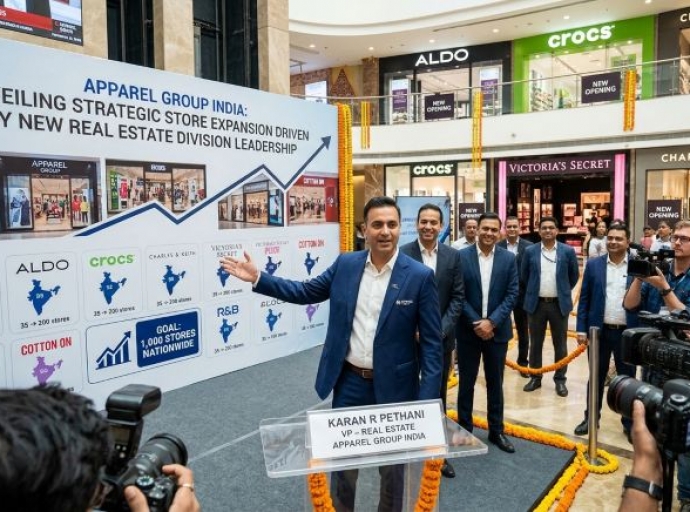
New Real Estate division leadership drives Apparel Group's store expansion in India

Global retail conglomerates are accelerating physical store acquisitions across secondary and tertiary Indian markets to capture expanding regional discretionary spending. To spearhead its aggressive commercial property strategy, Apparel Group India appointed Karan R Pethani as Vice President – Real Estate. Bringing nearly two decades of retail real estate expertise from Future Group and Reliance Retail, Pethani will oversee site selection, lease negotiations, and portfolio optimization as the Dubai-based retail giant expands its current 300-store footprint to 1,000 physical doors over the next three years.

MUCH MORE

Diverse brand portfolios require specialized location acquisition

Managing real estate across twenty distinct international and licensed fashion brands requires highly segmented store location strategies. Value apparel banner R&B plans to expand from 35 to 200 stores focusing on Tier-II residential catchments across South and West India, while luxury labels like Victoria's Secret and ALDO target premium high-street adjacencies and Tier-I lifestyle malls. Securing high-density retail space across varied formats - from apparel boutiques to 2,000-square-meter hypermarket sites - is central to scaling direct customer reach, states Tushar Ved, President,  Apparel Group India. The expansion aims to raise India's contribution to global group revenue from 10 per cent to 25 per cent.

EASITEX

Capital allocation strategy targets regional retail hubs

A operational examination of Apparel Group's expansion blueprint reveals an aggressive push into fast-growing secondary markets like Ghaziabad, Greater Noida, and Ahmedabad. By securing long-term leases in emerging retail centers alongside potential inorganic acquisitions, the retailer mitigates metro store saturation while locking in lower occupancy costs.

WATCH 

Global retail conglomerate and multi-brand licensee

Apparel Group India is the domestic arm of the Dubai-based global fashion and lifestyle conglomerate founded by Sima Ganwani Ved. Managing over 20 global brands including ALDO, Crocs, R&B, and Victoria's Secret, the group operates 300+ stores across 50 Indian cities. It targets 1,000 stores to significantly expand its multi-format retail footprint.

Easitex-Textiles Sustainability
New Real Estate division leadership drives Apparel Group's store expansion in India

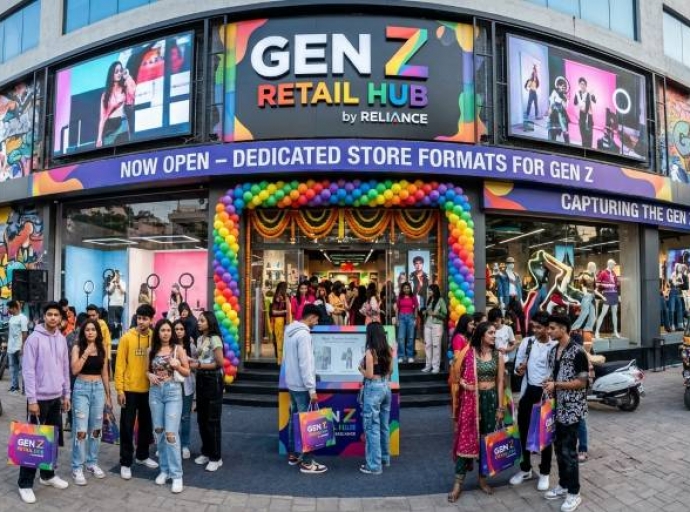
Reliance Retail to capture Gen Z shoppers with dedicated store formats

To capture Gen Z and value-conscious premium shoppers, major market operator Reliance Retail is expanding its dedicated formats like Azorte alongside traditional value outlets. Despite second-quarter growth moderating across physical stores due to the late shift of key festive shopping periods into October, the company’s gross retail operating efficiency has remained stable, anchored by optimized inventory throughput and direct-to-consumer digital channels.

MUCH MORE

Portfolio rationalization insulates against trade channel Volatility

To mitigate wholesale reliance and rising urban store rents, Reliance Retail is rationalizing unviable locations while accelerating exclusive brand launches. The company is focusing o network optimization combined with high-margin fast-fashion scaling to protect operating leverage against temporary demand fluctuations, notes Isha Ambani, Executive Director. This execution strategy focuses on repurposing prime real estate toward experiential multi-brand stores, driving mid-single-digit like-for-like sales growth across core fashion and lifestyle categories.

WATCH 

Expanding fashion footprint with new brands and partners

Reliance Retail is India’s largest retail enterprise, operating across fashion, consumer electronics, and grocery categories. Reaching a nationwide network exceeding 20,000 stores, the group generated gross annual revenues of Rs 3.70 lakh crore in FY26. It aggressively expands its fashion footprint through brands including Trends, Azorte, AJIO, and international licensing partnerships.

Easitex-Textiles Sustainability
Reliance Retail to capture Gen Z shoppers with dedicated store formats

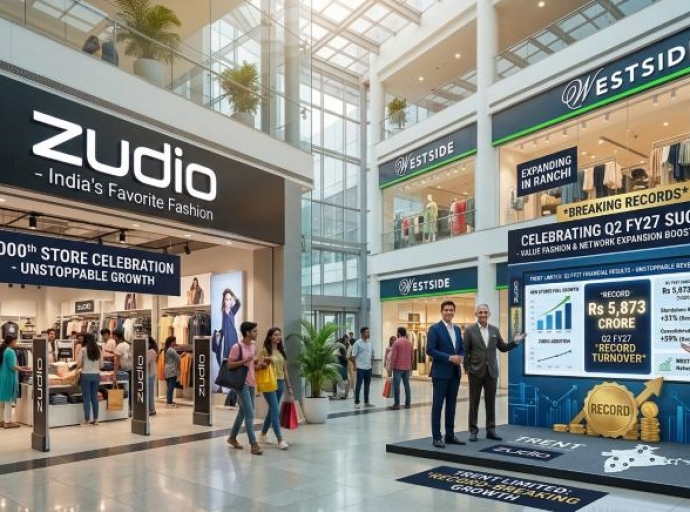
Value fashion and network expansion drive record turnover at Trent

Tata Group's retail arm, Trent Ltd, delivered a robust performance in Q2, FY27, posting a 22.5 per cent Y-o-Y increase in standalone revenue from operations to Rs 5,788 crore. The growth trajectory was propelled primarily by rapid store footprint expansion across its flagship value-fashion format, Zudio, alongside steady like-for-like gains in its premium Westside chain. Capitalizing on resilient consumer demand across domestic tier-1 and non-metro markets, operating EBITDA expanded nearly 37 per cent to Rs 791 crore, underscoring strong operational leverage.

MUCH MORE

Format diversification optimizes store-level profitability

The brand’s network scale reached milestone levels during the quarter as Zudio surpassed its 1,000th store milestone, expanding the total lifestyle retail footprint to 1,342 locations across 339 cities. Net profit rose 9 per cent year-on-year to Rs 490 crore, benefiting from tight cost controls and supply chain synergie

The brand focuses on disciplined store expansion, agile inventory management, and private label curation continues to yield sustainable economic profiles across both emerging and established city clusters, states P Venkatesalu, CEO, Trent.

WATCH 

A value & premium apparel enterprise

Trent operates a multi-format retail platform anchored by Westside, Zudio, and Star Bazaar across fashion, lifestyle, and food retail segments. Strategic growth plans prioritize scaling high-velocity value fashion and deepening non-metro store distribution. Operating over 1,300 outlets nationwide, the Tata enterprise maintains strong profitability and double-digit revenue trajectory built upon an established 1998 corporate legacy.

Easitex-Textiles Sustainability
Value fashion and network expansion drive record turnover at Trent

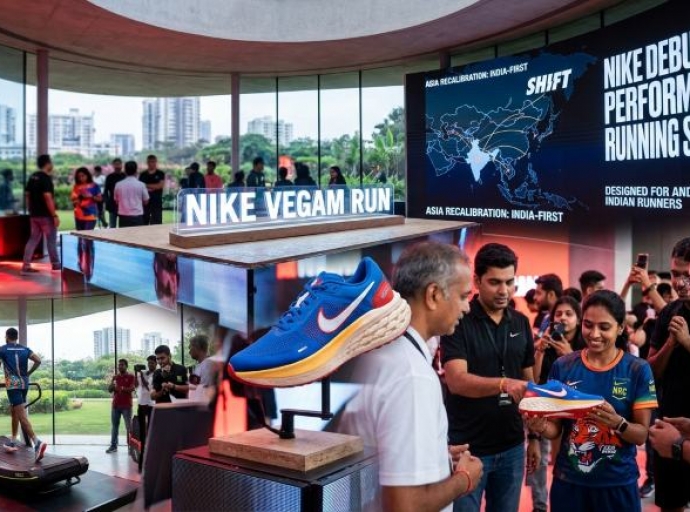
Nike recalibrates Asian expansion with launch of debut performance running shoe in India

Global sportswear giant Nike is recalibrating its Asian expansion strategy with the introduction of ‘Vegam Run,’ its first performance running shoe engineered specifically for the Indian market. Retailing at Rs 3,795 ($45), the pricing model reflects a clear push into accessible premium athletic footwear. Available across Flipkart and selective physical retail channels starting November 1, the product represents a strategic shift toward capturing high-volume mass-premium segments in emerging athletic markets.

MUCH MORE

Expanding footwear reach amid regional rebalance

The product development cycle was completed in five months, accelerating time-to-market to target India's expanding urban fitness demographic. This localized release comes as global apparel brands adjust supply allocations to counter broader retail demand contractions across East Asian markets. By offering localized pricing alongside technical features like engineered mesh uppers and high-durability foam beds, Nike is strengthening consumer acquisition points in high-growth territories.

EASITEX

Navigating market competition and supply integration

Scaling dedicated regional products requires balancing competitive pricing against local material sourcing costs and real estate footprint expenses. Vegam Run serves as an invitation to running for broader athlete demographics, balancing technical performance with mass-market entry pricing, notes a company spokesperson during the announcement. The design is slated for expansion into additional international markets by 2027.

WATCH 

Advancing mid-term growth target with Asian investments

Nike is a world-leading athletic footprint and apparel company specializing in performance gear and lifestyle sportswear. Founded in 1964, the brand operates global retail networks and digital commerce platforms, advancing mid-term growth targets via strategic investments in high-potential Asian consumer markets.

Easitex-Textiles Sustainability
Nike recalibrates Asian expansion with launch of debut performance running shoe in India

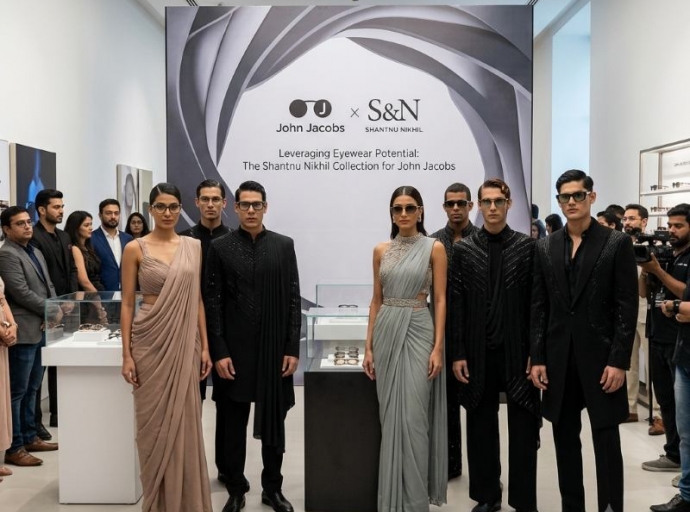
John Jacobs, Shantnu Nikhil leverage eyewear market potential with new collection

Driven by rising disposable incomes and expanding optical retail footprints, India's overall eyewear market expanded to $11.83 billion in 2026. To leverage this growth, Lenskart’s design-led subsidiary John Jacobs collaborated with prestige-prêt label S&N by Shantnu Nikhil to introduce a 32-piece couture collection. The initiative signals a structural transition in optical retail, converting basic prescription eyewear into high-margin, occasion-led luxury accessories.

MUCH MORE

Premiumization and festive styling unlock new margins

Integrating couture aesthetics into optical retail addresses growing consumer demand for personalized and designer frames. Reinterpreting classic silhouettes - including wayfarers and aviators - with precision metal accents, specialized hinges, and rich color palettes designed to align with festive wardrobes, the collection bridges functional vision care with high-end sartorial expression, notes Shantnu Mehra, Designer. It allows consumers to treat eyewear as an essential element of personal styling, he adds. The partnership allows Lenskart to capture higher average transaction values across its expanding omnichannel network.

EASITEX

Co-branded licensing serves as a commercial growth engine

Licensing partnerships provide luxury designers a capital-light entry into retail while giving optical chains distinctive product lines. A brief examination of the John Jacobs collaboration illustrates this dynamic: combining Italian design influences with Indian heritage motifs, the line scales across physical stores and digital platforms. By targeting wedding and festive shopping cycles, optical brands insulate their bottom line against standard seasonal lulls.

WATCH 

Capturing Indian market share with designer partnerships

John Jacobs is the design-focused eyewear brand under Lenskart, an integrated retail company founded in 2010. Specializing in prescription glasses and sunglasses, Lenskart operates across online platforms and a widespread store footprint. Targeting double-digit retail expansion, the company leverages designer partnerships to capture market share within India's growing luxury fashion landscape.

Easitex-Textiles Sustainability
John Jacobs, Shantnu Nikhil leverage eyewear market potential with new collection

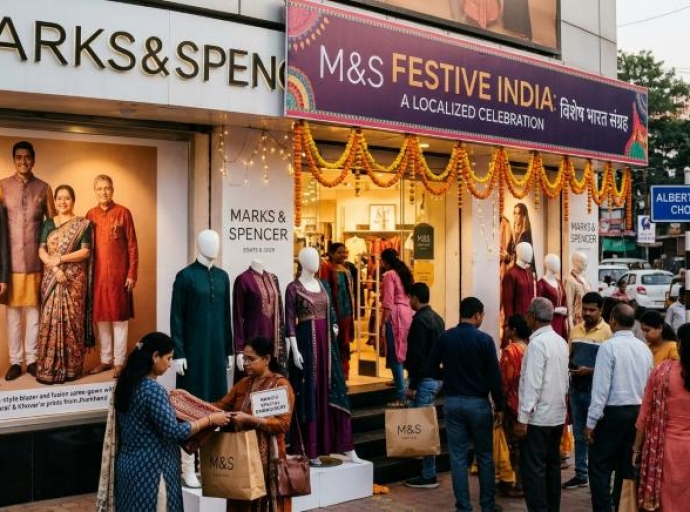
M&S to capture festive demand in India with new localized collection

British lifestyle retailer Marks & Spencer (M&S) has launched its maiden region-specific festive apparel line, ‘Your Time to Shine,’ signaling a strategic shift toward localized merchandising across key growth markets. Addressing India’s booming high-end occasionwear sector, the dedicated capsule collection merges contemporary Western silhouettes with festive color palettes across menswear and womenswear. This shift allows the brand to capture high-margin seasonal demand during peak festive cycles rather than relying solely on global core autumn-winter inventory.

MUCH MORE

Responsible sourcing anchors retail supply chain operations

The operational rollout highlights responsible material sourcing alongside expansion across physical and digital storefronts. M&S has integrated 100 per cent sustainably sourced cotton across the line via the Better Cotton Initiative (BCI), while scaling back animal-derived inputs like angora and alpaca.

Tailoring product assortments to local cultural moments strengthens our brand positioning and market share in high-potential regions, states Ritesh Mishra, Managing Director, Marks & Spencer Reliance India. Combining versatile occasionwear with sustainable supply chain standards ensures long-term commercial momentum, he adds.

WATCH 

Global retail & apparel enterprise

Marks & Spencer operates over 85 exclusive stores across India alongside direct-to-consumer digital platforms. The retailer specializes in premium apparel, lingerie, and beauty categories. Expansion plans focus expanding retail operations in Tier I&II cities, backed by 140 years of British heritage and consistent organic revenue performance.

Easitex-Textiles Sustainability

M&S to capture festive demand in India with new localized collection

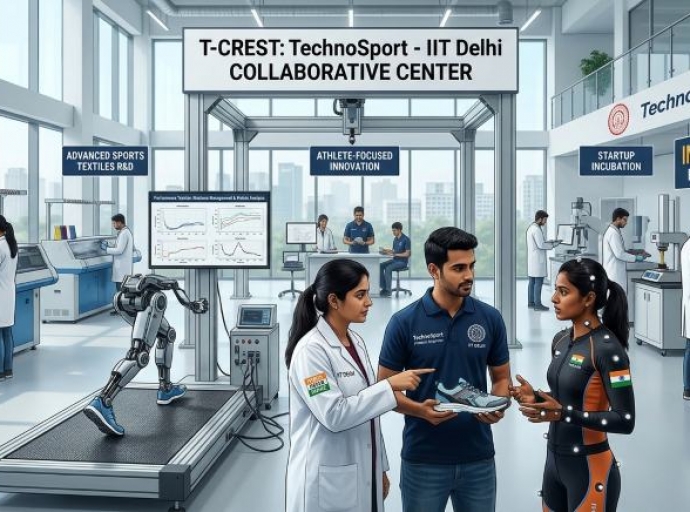
TechnoSport accelerates R&D with new collaborative center in Delhi

Domestic activewear enterprise TechnoSport has committed Rs 4.5 crore over three years to establish the TechnoSport Center for Research and Entrepreneurship in Sports Textiles (T-CREST) at IIT Delhi. This collaborative center focuses on proprietary material engineering, advanced prototyping, and functional textile innovation across five target athletic disciplines. Beyond internal material development, the initiative integrates an incubation ecosystem, allocating up to Rs 20 lakh in seed funding per startup working on high-performance fabric solutions.

Navigating supply chains and market scale

This strategic investment aligns with broader structural shifts across the domestic retail landscape, where apparel manufacturers face escalating raw material costs alongside surging consumer appetite for premium performance wear. By scaling monthly production output past 3 million garments and expanding its exclusive retail footprint toward 136 outlets, TechnoSport aims to mitigate supply chain exposure through vertically integrated R&D. Sumit Jhunjhunwala, Managing Director, emphasizes, T-CREST represents a long-term strategic commitment to elevate Indian sports-textile engineering capabilities internationally rather than securing immediate short-term revenue gains.

Expanding regional export footprints

Founded in 2015, TechnoSport manufactures high-performance athletic apparel for the Indian retail market. Operating integrated fabric processing units, the brand scales multi-channel distribution across general trade, digital commerce, and exclusive stores, projecting Rs 1,000 crore revenue by FY27 while expanding regional export footprints.

TechnoSport accelerates R&D with new collaborative center in Delhi

KKCL offsets festive shifts with disciplined cost control and product mix optimization

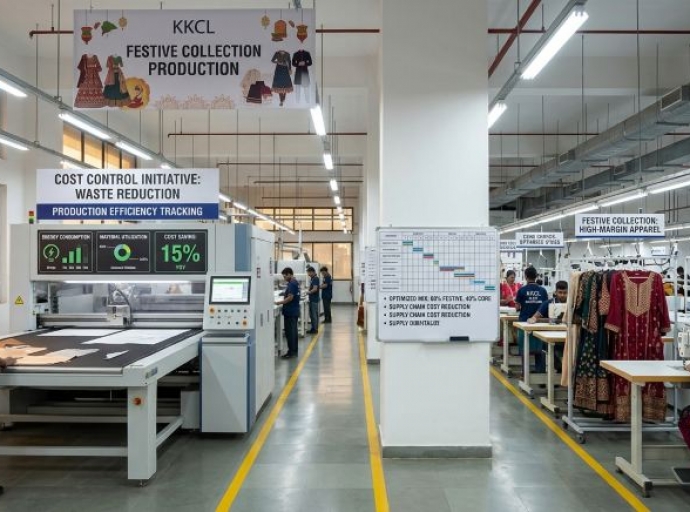
Kewal Kiran Clothing (KKCL) demonstrated strong operational resilience during H1, FY27, leveraging robust margin expansion and multi-brand retail execution. The company’s consolidated revenue from operations grew by 11 per cent to Rs 652 crore, while EBITDA and profit after tax (PAT) rose 19 per cent to Rs 133 crore and Rs 94 crore, respectively. Despite the company’s Q2, FY27 growth moderating to 5 per cent Y-o-Y to Rs 373 crore due to a calendar realignment of major festivals into October, gross margins reached 43 per cent, supported by disciplined cost control and product mix optimization.

MUCH MORE

Operational efficiencies neutralize seasonal headwinds

The shift of key shopping periods like Navratri in Q3, FY270 temporarily delayed core inventory liquidation across primary trade channels. However, standalone strength in high-growth segments boosted underlying performance.  The company’s focus on operational discipline and category expansion continues to yield sustained margin protection across core apparel lines, states Hemant Jain, Joint Managing Director, highlighting double-digit growth within Kraus, the group's targeted women’s casualwear arm. To reinforce investor confidence amidst seasonal fluctuations, KKCL’s board approved an interim dividend of Rs 2 per share.

EASITEX

Exclusive store network powers retail scaling

Retail expansion remains central to mitigating wholesale volatility. The company is accelerating store openings, aiming for 50 to 70 new EBOs to surpass a nationwide network of 600 footprint locations. A brief operational review of Kraus illustrates this strategic trajectory: acquired to capture women's casualwear demand, the brand is steadily aligning inventory cycles with parent metrics, unlocking higher throughput across large-format format counters and direct-to-consumer storefronts.

WATCH 

Aiming for organic growth through multi-channel expansion

Headquartered in Mumbai, KKCL is a major Indian apparel brand house established in 1989. The company specializes in denim, casualwear, and formal attire across brands like Killer, Lawman, Integriti, and Kraus. With an annual turnover of Rs 1,213 crore in FY26, KKCL targets 15–18 per cent organic growth through multi-channel retail expansion.

Easitex-Textiles Sustainability
KKCL offsets festive shifts with disciplined cost control and product mix optimization

Myntra Tech Threads 2026 highlights technological advancements in customer sizing

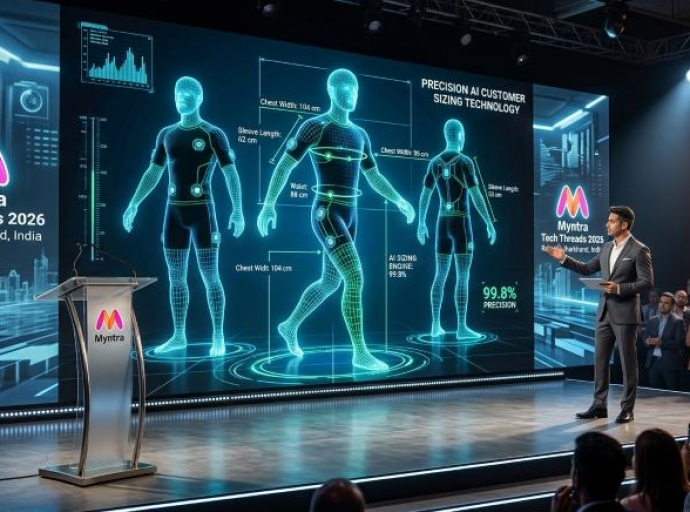
The annual Myntra Tech Threads 2026 conclave brought together global fashion executives and domestic brand leaders under the theme ‘Building Brands for Velocity and Voice.’ The platform highlighted structural technological advancements, notably its AI-Powered Brand Stack, which compresses multi-week apparel design lifecycles into minutes, and the AI styling assistant Maya for precision customer sizing. Coupled with the expansion of the 'M-Now' 30-minute rapid fulfillment service across tier-1 and tier-2 markets, e-commerce adoption is accelerating across fashion, beauty, and lifestyle categories.

MUCH MORE

Operational synergies accelerate D2C market expansion

Industry partners emphasize, real-time supply chain analytics and automated merchant onboarding are scaling business operations. Emerging D2C labels and established legacy brands are expanding market share through predictive inventory distribution, mitigating excess stock risks.

Integrating AI-driven customer personalization with rapid logistical networks removes critical scaling friction, states Sharon Pais, Head, Myntra. These platforms allow apparel brands to match shifting consumer preferences while maintaining lean inventory velocity.

WATCH 

India's e-lifestyle commerce destination

Myntra operates an app-first fashion, beauty, and lifestyle marketplace serving millions of Indian consumers. The platform offers global and domestic apparel brands alongside rapid delivery logistics like M-Now. Growth strategies focus on AI personalization, expanding D2C seller ecosystems, and deepening market penetration in non-metro regions.

Easitex-Textiles Sustainability
 Myntra Tech Threads 2026 highlights technological advancements in customer sizing

Hunkemöller capitalizes on high-street growth in non-metros with new Jaipur store

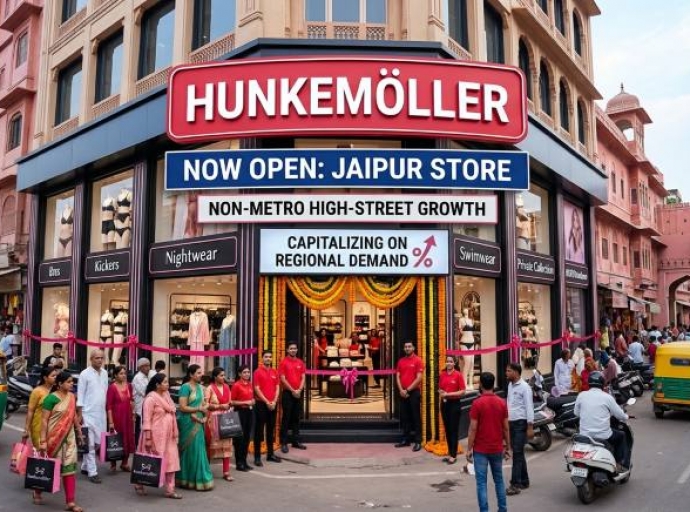
Dutch premium bodywear and intimate apparel specialist Hunkemöller is capitalizing on the rapid growth of high-street retail across non-metropolitan consumption hubs with the opening of a new store in Jaipur. This move marks the brand’s deliberate shift toward non-tier-I urbanization, where consumer appetite for global intimate fashion and branded elevated essentials is rising.

Capitalizing on non-metropolitan premiumization

India's premium lingerie market is undergoing structural shifts as aspirational demand shifts from traditional metros toward high-growth regional hubs. Industry data indicates, the Indian online and omnichannel innerwear segment is projected to grow by over US$ 710 million through 2030, registering an CAGR exceeding 11 per cent. By embedding touchpoints in key regional centers like Rajasthan, Hunkemöller positions itself to capture higher conversion rates among affluent young demographics seeking international design standards and specialized fit consultations.

Navigating expansion operational dynamics

Scaling specialized specialty retail across emerging Indian markets presents distinct supply chain and inventory management challenges. Maintaining optimal stock-keeping unit (SKU) density across varied size ranges demands agile logistics and precise demand forecasting. Concurrently, local real estate competition for prime shopping center locations requires high capital discipline to preserve retail store-level profitability.

Expanding into high-potential markets like Jaipur is vital for long-term category leadership," notes an industry retail analyst. Success hinges on blending immersive physical fitting experiences with reliable local fulfillment networks.

Strategic market positioning

European intimate apparel brands like Hunkemöller continue to balance physical retail rollouts with aggressive direct-to-consumer e-commerce integration. This dual strategy enhances customer acquisition metrics while defending margins against local competitors and fast-fashion entrants.


Hunkemöller is an established European bodywear retailer specializing in lingerie, nightwear, and swimwear. Operating over 900 international stores, the brand targets aggressive global growth through omnichannel expansions in high-growth Asian markets, maintaining stable operational performance backed by parent investment firms.

Hunkemöller capitalizes on high-street growth in non-metros with new Jaipur store

New Zudio, Westside addition helps Trent boost revenues in Q2, FY27

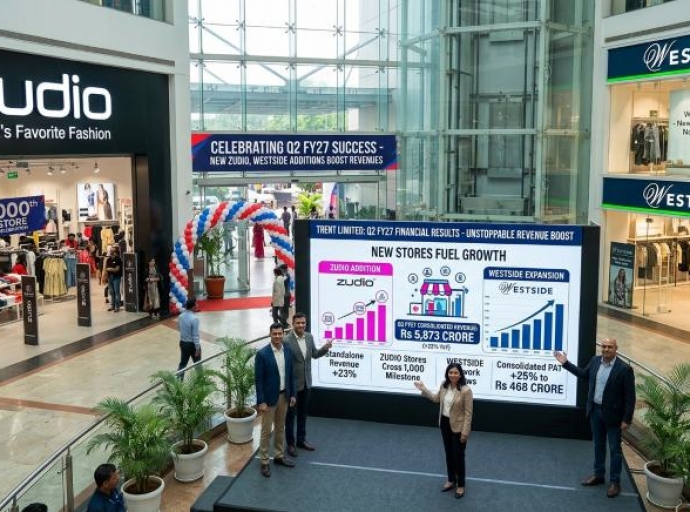
Trent Limited has reported a 22 per cent Y-o-Y increase in consolidated revenue from operations, reaching Rs 5,873 crore in Q2, FY27. The brand’s consolidated net profit for the period rose by 25 per cent to Rs 468 crore, supported by resilient mass-market demand and improved operating efficiencies. The retailer's total operating footprint expanded to 1,342 stores, backed by the addition of 19 new Zudio units and 10 Westside stores during the three-month period.

MUCH MORE

Value-driven formats outpace broader industry bottlenecks

While persistent inflation continues to temper consumer spending across discretionary retail segments, ultra-fast supply cycles and aggressive price-point strategies have allowed value-fashion offerings to outpace conventional apparel channels. A key operational milestone was marked during the quarter as the flagship value-fashion brand, Zudio, opened its 1,000th store. Non-apparel categories, including footwear, innerwear, and personal care, now account for over 21 per cent of standalone revenue, indicating strong cross-selling execution.

EASITEX

Strategic hinterland penetration drives operational agility

Downstream conversion metrics show that localized product assortments tailored for Tier-II & III cities are sustaining store-level throughput. In a notable operational development, regional cluster distribution hubs shortened store-replenishment timelines to under 12 days, optimizing inventory turnover and boosting operating EBIT margins to 11.6 per cent.

The company’s multi-format strategy and direct-to-consumer value chain continue to demonstrate structural resilience despite an inflationary market environment, notes Noel N Tata, Chairman, Trent Limited.

WATCH 

Strategic value retailing portfolio

Trent Limited operates integrated fashion, lifestyle, and food retail networks, primarily anchored by Westside and value-focused Zudio. Managing over 1,300 stores across 339 cities, the company targets aggressive tier-two and tier-three market expansion alongside deep category extensions. Incorporating a strong multi-decade retail legacy since 1998, it maintains strong double-digit revenue growth.

Easitex-Textiles Sustainability

New Zudio, Westside addition helps Trent boost revenues in Q2, FY27

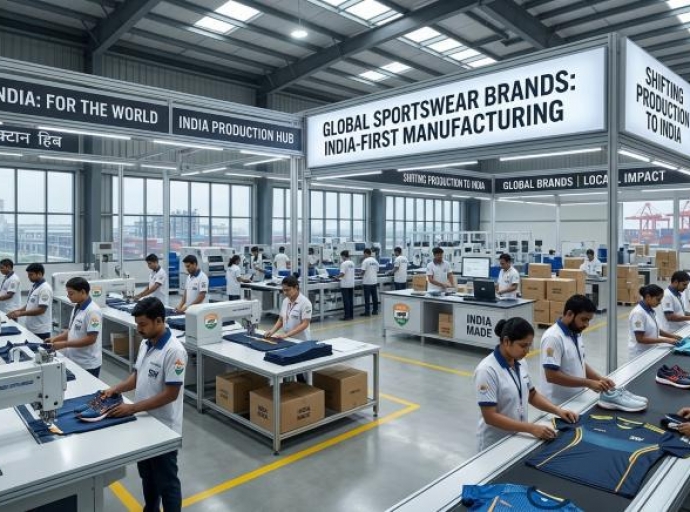
Global sportswear brands shift to local production in India

Driven by rising fitness awareness- evidenced by active running events jumping from 500 in 2018 to nearly 2,000, global sports goods and apparel majors, including Nike, Asics, and Decathlon, are aggressively expanding their manufacturing footprints and retail store networks in India. As projected by KPMG, India’s sports equipment, footwear, and apparel manufacturing sector is set to expand from $6.7 billion to $10 billion by 2030.

Supply chain localization overcomes regulatory import constraints

Rather than relying purely on global supply networks, brands are localizing product lines and sourcing models to address high import tariffs and stringent Bureau of Indian Standards (BIS) footwear certification compliance. Asics is raising its domestic manufacturing share from 30 per cent to 40 per cent, while Adidas recently inaugurated  Evervan Kothari footwear plant in Tamil Nadu. Simultaneously, Nike launched its first running shoe - the ‘Vegam Run,’  designed specifically for Indian consumers and priced at Rs 3,795 to capture mass-market entry points.

Physical retail and operational agility drive regional market share

Decathlon is committing €100 million to expand its retail footprint to 200 stores by 2030, targeting Tier-II & III hubs like Jaipur, Surat, and Kochi. Downstream converting hubs are optimizing product assortments for localized climate needs and regional foot shapes.

India’s growing running ecosystem requires localized product engineering and direct supply chain agility rather than standard global distribution, notes Sankar Chatterjee, CEO, Decathlon Sports India. In a notable operational shift, a regional athletic wear manufacturer shortened prototype-to-shelf production cycles to 21 days, lowering inventory holding costs while sustaining double-digit sales velocity.

Domestic sportswear manufacturing expansion

Global sports apparel and equipment brands design, manufacture, and distribute athletic performance gear across physical and e-commerce networks. Expanding aggressively across primary metropolitan hubs and emerging regional markets, these enterprises target sustained volume growth through localized manufacturing. Leveraging decades of innovation, the sector maintains strong high-single-digit sales momentum.

Global sportswear brands shift to local production in India

Latest Publications

Image

Join Our Group

Join Our Group