All Stories

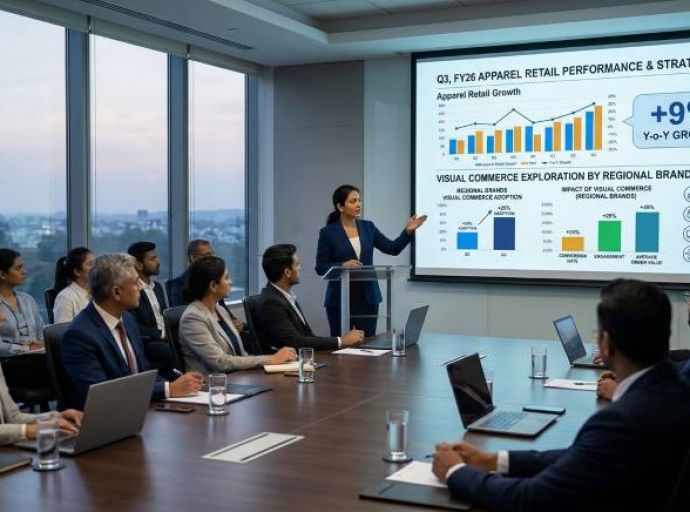
Regional brands explore visual commerce as apparel retail grows 9% Y-o-Y in Q3, FY26

India’s regional fashion and lifestyle ecosystem is undergoing a structural shift as digital-first commerce reshapes consumer demand. Industry data from the Retailers Association of India (RAI) indicates, apparel retail sales grew 9 per cent Y=o-Y during Q3 2026, with Tier-II and Tier-III regional hubs outperforming major metro centers. In Kerala, local apparel brands continue to leverage visual commerce and targeted social platforms to lower acquisition costs while tapping into rising demand for contemporary, culturally aligned apparel.

MUCH MORE

Hybrid expansion strategies bridge online and offline channels

To scale sustainably, regional fashion brands must bridge authentic cultural narratives with fast-turnaround inventory models, notes Swaroop Krishnan, Co-Founder, My Designation, a of Gen-Z apparel brand. Direct-to-consumer (D2C) brands in South India now experience over 80 per cent of initial customer acquisitions through direct social messaging channels. Concurrently, legacy brick-and-mortar apparel chains face pressure to optimize retail footprint ROI by integrating digital inventory visibility, unified point-of-sale systems, and quick-delivery fulfillment hubs.

EASITEX

Case Study: Scaling regional D2C brands nationally

Direct-to-consumer labels like My Designation illustrate the transition from localized niche operations to scalable fashion enterprises. By converting viral social engagement into real-time demand insights, regional labels shorten product design cycles from months to under 14 days, capturing higher gross margins while minimizing excess inventory risks.

WATCH 

Prioritizing tech adoption for regional apparel brands

The Retailers Association of India (RAI) represents over 500,000 retail footprints across India, focusing on advocacy, policy modernization, and digital transformation initiatives. With national retail sales expanding past historic levels, RAI prioritizes tech adoption for regional apparel brands and traditional brick-and-mortar storefronts through structured trade summits, policy engagement, and modern omni-channel frameworks.

Easitex-Textiles Sustainability
Regional brands explore visual commerce as apparel retail grows 9% Y-o-Y in Q3, FY26

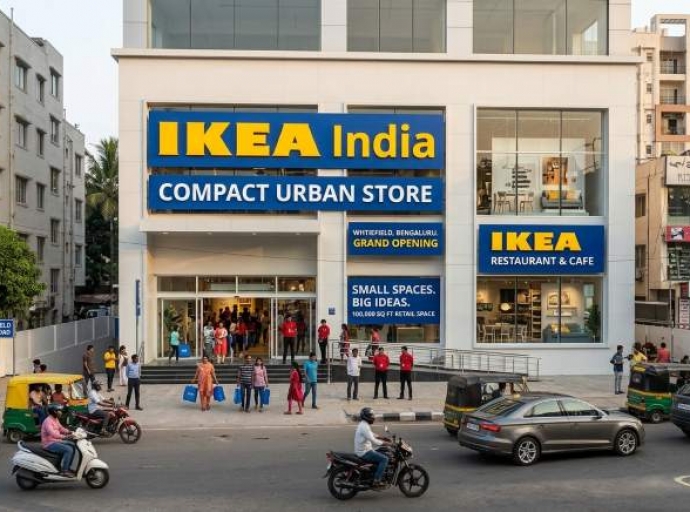
IKEA India shifts to compact urban store format with new outlet in Benglauru

Global home lifestyle and furnishing retailers are shifting away from suburban flagship developments toward compact, high-density urban formats to accelerate market penetration. In Bengaluru, IKEA India is launching its 80,000-square-foot city centre store at Konanakunte Cross, moving beyond its 460,000-square-foot Nagasandra flagship. Designed to tap into high-footfall metro corridors, the smaller footprint carries 5,200 curated SKUs—with 3,000 available for immediate takeaway—effectively optimizing inventory turnover and reducing supply chain fulfillment overhead in dense residential zones.

MUCH MORE

Transit-linked footprints power omnichannel conversion

The strategic pivot to compact stores addresses suburban travel friction while strengthening digital-physical integrations. E-commerce accounts for roughly 25 per cent to 30 per ent of sales, making urban touchpoints critical fulfillment nodes for express deliveries and design consultations. Improving physical accessibility near key transit networks is vital for driving higher repeat visits and customer conversion, notes Patrik Antoni, CEO, IKEA India. This hybrid strategy supports IKEA's target to build 30 stores nationwide by 2030, leveraging transit-adjacent hubs to scale retail revenues despite macro inventory pressures.

EASITEX

Retail case study: Optimizing urban footprint returns

Compact store concepts demonstrate how scaling down physical square footage yields higher revenue density per square foot. By integrating click-and-collect services with localized showroom layouts, city-center outlets reduce store setup cycles and operating costs while expanding reach across dense metro catchments.

WATCH 

Targeting 30 stores by 2030

Operating under Ingka Group, IKEA India manufactures and retails home furnishings, apparel textiles, and interior solutions. Operating across major metros including Hyderabad, Mumbai, and Bengaluru, the brand targets 30 stores by 2030. IKEA recorded Rs 1,749.5 crore in FY25 revenue, backed by initial entry into India in 2018.

Easitex-Textiles Sustainability
IKEA India shifts to compact urban store format with new outlet in Benglauru

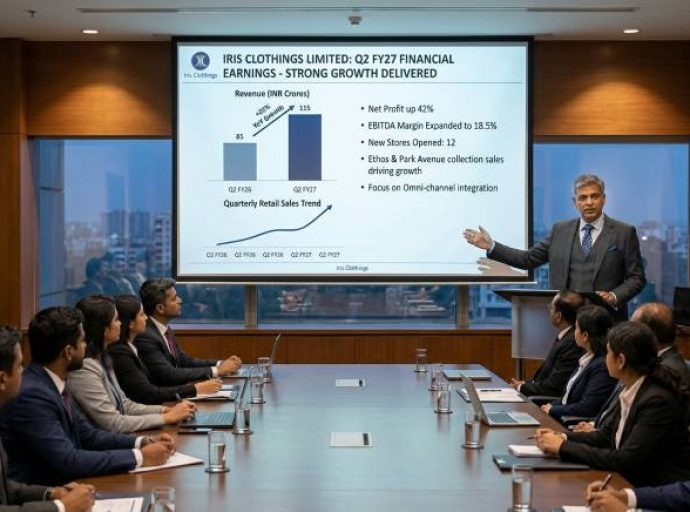
Iris Clothings delivers robust financial performance in Q2 FY27

Iris Clothings delivered robust financial performance in Q2, FY27 ending September 30, 2026, driven by expanding distribution networks across Tier-II and Tier-III retail hubs. The company’s consolidated top-line revenue increased by 40.3 per cent Y-o-Y to Rs 62.22 crore, up from Rs 44.34 crore reported in the corresponding period of the previous fiscal year. Their operating EBITDA rose by 34.4 per cent to Rs 9.47 crore, while Net Profit After Tax reached Rs 5.08 crore, reflecting a 23.3 per cent expansion over Q2 FY26. The growth trajectory demonstrates heightened market penetration within the mid-segment infant and children’s apparel category, capturing sustained volume gains despite broader industry inflation.

DFU Profile

Brand diversification and infrastructure investment

Scaling operational infrastructure and widening product portfolios have anchored the corporate growth strategy. The company’s flagship brand, Doreme, continued to secure market share across its core infant, toddler, and junior wear verticals. Strengthening supply chain integration and scaling direct distributor reach across 26 states accelerated quarterly volume throughput while optimizing inventory turn cycles, noted wholesale retail sector equity analysts tracking the performance.

Navigating cotton price fluctuations and regional retail logistics remains an active focus area. Continued investments in digital channel execution, expanded manufacturing capacities in West Bengal, and product diversification into adult loungewear position Iris Clothings to capture shifting domestic apparel demand across emerging retail corridors.

Publication Portfolio

Maintaining a steady balance sheet

Iris Clothings designs, manufactures, and markets children’s readymade apparel under flagship brand DOREME across 26 Indian states. The firm is expanding manufacturing capacity and digital retail footprints. Established in 2004, it maintains profitable double-digit revenue expansion and steady balance sheet metrics.

MUCH MORE

Iris Clothings delivers robust financial performance in Q2 FY27

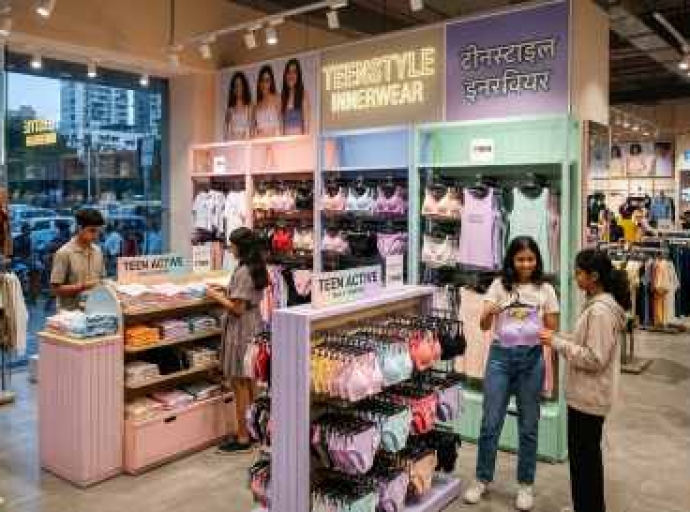
Juliet Apparels targets Gen Z with market strategy focusing on Tier I,II cities

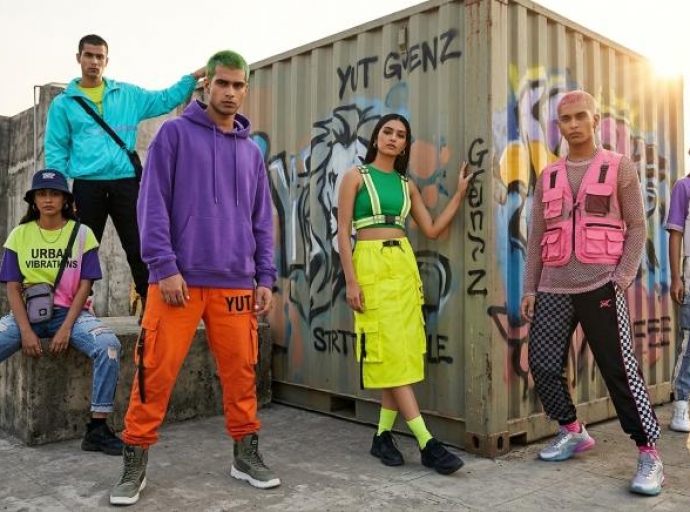
Juliet Apparels is intensifying its focus on India's innerwear segment by scaling distribution for its dedicated teenage product line. Emerging from traditional wholesale distribution, the company is executing a retail strategy focused on Tier I and Tier II urban centers. This movement addresses growing consumer shifts, as younger demographics demand specialized fits, skin-friendly fabrics, and contemporary aesthetics over standard apparel options.

MUCH MORE

Building category dominance with retail expansion

To capture market share in teen and youth innerwear, Juliet Apparels has outlined plans to establish 100 EBOs. Currently maintaining a network of over 10,000 MBOs alongside early-stage EBO operational hubs, the brand aims to achieve 10 per cent – 15 per cent Y-o-Y revenue growth. While digital storefronts currently generate 8 per cent to 10 per cent of revenue, offline experiential retail remains the core driver of physical expansion.

Younger consumers require tailored fit solutions combined with modern aesthetic choices," states Krutik Trevadia, Director, Juliet Apparels. Expanding our direct retail footprint ensures proper fit consultation while building category authority, he adds

VIEW

Eyeing double-digit annual growth

The teenage innerwear sector presents strong margin opportunities but requires stringent quality standards and competitive pricing due to rapid market shifts. Juliet relies on its in-house manufacturing capabilities to control supply chain costs and maintain fabric consistency.

Juliet Apparels is a Mumbai-based women’s innerwear and nightwear manufacturer established in 1976. The company specializes in daily brassieres, loungewear, and teen innerwear. Operating across India and international markets including the Gulf region, it targets double-digit annual growth through a planned 100-store retail expansion.

Easitex-Textiles Sustainability
Juliet Apparels targets Gen Z with market strategy focusing on Tier I,II cities

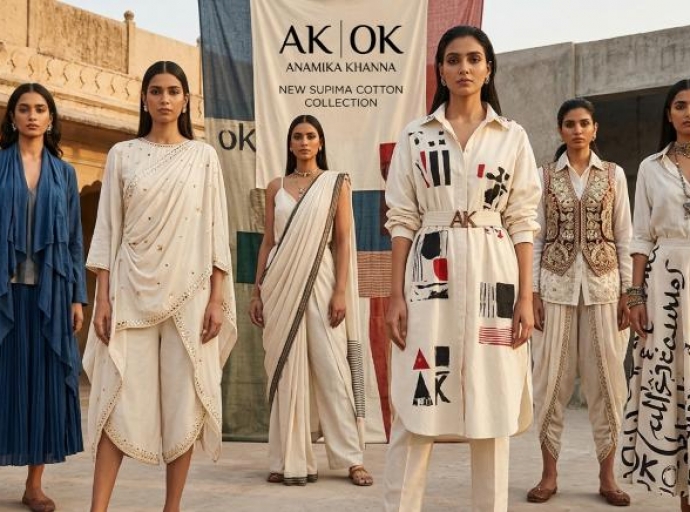
AK|OK by Anamika Khanna to capture rising cotton demand with new SUPIMA collection

Fashion brands are shifting focus to upstream raw material partnerships to secure premium supply chains and expand gross margins. Industry trade figures reveal, global sales of extra-long staple (ELS) cotton are expanding at a 6.2 per cent CAGR as luxury consumers increasingly favor breathable, durable natural textiles over synthetic alternatives. To capture this demand, contemporary label AK|OK by Anamika Khanna has entered a strategic sourcing tie-up with American grower association SUPIMA for its Autumn/Winter 2027 collection. Scheduled for a formal runway launch at Lakmé Fashion Week in March 2027, the agreement focuses on integrating fully traceable, high-grade American pima cotton into modern ready-to-wear silhouettes.

MUCH MORE

Supply chain alignment mitigates quality risks

Sourcing high-grade raw fiber directly from established agricultural cooperatives helps design houses stabilize production schedules and maintain strict quality control standards. By securing certified staple lengths, manufacturers can minimize yarn degradation and lower fabric return rates by an estimated 15 per cent across retail distribution channels.

For me, it always begins with the fabric, states Anamika Khanna, Creative Director, AK|OK. The simplest garment has to feel effortless the moment you put it on, and that only happens when the fabric is right.

WATCH 

Case Study: Material traceability enhancing brand equity

Similar upstream raw material integrations by European ready-to-wear brands demonstrate that certified fiber provenance boosts sell-through rates by up to 18 per cent in international department stores. By pairing high-grade raw cotton with localized garment embellishment, modern apparel labels effectively shield operating margins against global supply disruptions while meeting tightening international material compliance standards.

VIEW

Combining heritage craftsmanship with street-style designs

AK|OK is an Indian luxury ready-to-wear apparel brand offering contemporary fluid silhouettes, printed co-ords, and structured loungewear. Expanding across international retail platforms like Selfridges and Paris showrooms, the business continues to drive double-digit retail growth. Originally launched as a diffusion label by designer Anamika Khanna, it combines heritage craftsmanship with modern street-style aesthetics.

Easitex-Textiles Sustainability
AK|OK by Anamika Khanna to capture rising cotton demand with new SUPIMA collection

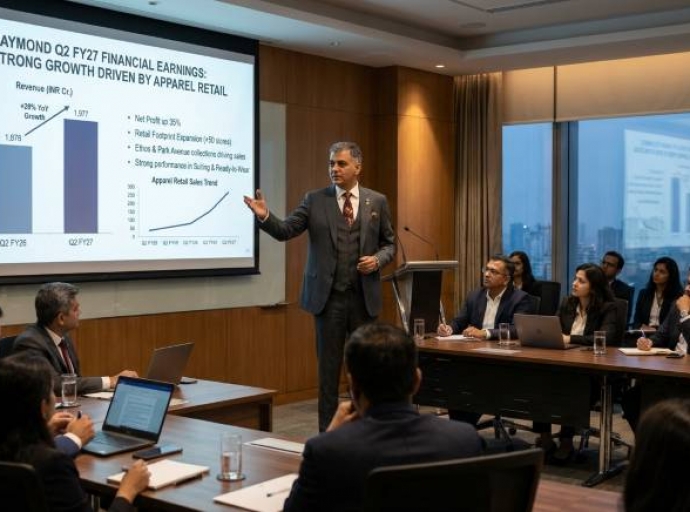
Apparel retail growth boosts Q2, FY27 earnings for Raymond

Raymond delivered a sharp operational performance in Q2, FY27 ending September 30, 2026. The brand’s consolidated net profit from continuing operations expanded by 131 per cent year-on-year to Rs 32.06 crore during the quarter. Their consolidated revenue from operations increased by 24.2 per cent to Rs 655.16 crore, up from Rs 527.69 crore during the corresponding period of the previous fiscal year. Operational earnings (EBITDA) escalated 74.4 per cent to Rs 75 crore, pushing EBITDA margins higher by 336 basis points to 11.5 per cent. Operating efficiencies, product mix optimization, and sustained retail demand across domestic market corridors bolstered fiscal expansion.

MUCH MORE

Retail strategy captures domestic consumer demand

Strategic store expansion and elevated consumer sentiment during the festive pre-season drove commercial momentum across retail touchpoints. High-margin branded apparel lines and premium shirting collections captured volume growth, insulating profit channels against raw material cost pressures. Focusing on operational execution, retail network density, and premium product positioning accelerated operational yields across core markets, note retail sector analysts tracking corporate quarterly performance.


VIEW

Strategic restructuring and market positioning

Navigating volatile supply chains and evolving domestic market dynamics remains a core focus area. The corporate restructuring and segment optimization strategies implemented by Raymond have systematically strengthened cash flows while supporting long-term commercial goals across domestic apparel, industrial engineering, and international markets.


Raymond Limited is a leading Indian conglomerate active in textiles, branded apparel retail, high-end engineering, and precision components. Operating extensive national retail networks and global export supply channels, Raymond is expanding store footprints and manufacturing capacity. Founded in 1925, the company maintains steady revenue growth and expanding operating margins.

Easitex-Textiles Sustainability
Apparel retail growth boosts Q2, FY27 earnings for Raymond

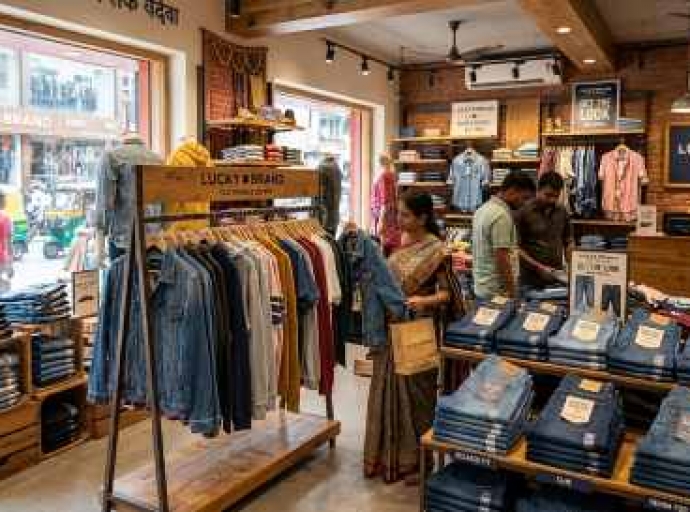
ABG licenses Lucky Brand for exclusive distribution in India

Authentic Brands Group (ABG) has officially licensed Lucky Brand to Confluxe Retail for exclusive distribution across India. The partnership establishes Lucky Brand’s localized direct-to-consumer digital channels and retail operations, introducing its signature premium denim, lifestyle t-shirts, and heritage apparel tailored specifically for urban Indian demographics.

MUCH MORE

Capitalizing on festive demand and consumer shifts

The market rollout aligns strategically with the country’s festive demand cycles, positioning Lucky Brand against established premium denim players like Levi's and Wrangler. Confluxe Retail will manage local distribution and omnichannel operations, deploying localized fits and competitive pricing points ranging from Rs 1,499 for graphic tees to Rs 3,999 for mid-rise vintage and baggy denim silhouettes.

Integrating Lucky Brand’s vintage American aesthetic with Confluxe's deep regional retail infrastructure offers a strong growth runway across Tier-I and II cities, notes an Operational spokesperson, Confluxe Retail.

VIEW

Driving growth with regional licensing partnerships

To capture market share in a highly competitive premium segment, Lucky Brand modified its traditional cuts to match regional sizing preferences while keeping price points under Rs 4,000. This targeted positioning allows the brand to capture upwardly mobile consumers seeking mid-tier luxury lifestyle apparel through seamless e-commerce platforms.

Founded in Los Angeles in 1990, Lucky Brand specializes in vintage-inspired denim, heritage outerwear, and casual apparel. Operating under Authentic Brands Group, the label targets global mid-to-premium lifestyle markets. Its international expansion framework leverages regional licensing partnerships to drive digital and physical storefront growth across emerging consumer hubs.

Easitex-Textiles Sustainability
ABG licenses Lucky Brand for exclusive distribution in India

Disha Patani-owned apparel brand to target Gen Z urban youth

Launched by actor Disha Patani, apparel label DZ aims to target Gen Z urban youth seeking specialized casualwear. Featuring oversized silhouettes, relaxed fits, and space-inspired motifs, the brand utilizes direct e-commerce channels alongside social media marketing to capture market share in India’s fast-growing $2.5 billion D2C fashion segment.

MUCH MORE

Navigating scale and inventory pressures

While celebrity brand equity lowers initial customer acquisition costs, long-term commercial viability hinges on operational execution. Industry experts note, sustaining repeat transactions requires tight inventory controls, competitive price positioning, and reliable vendor partnerships beyond initial launch visibility.

Converting media attention into sustainable retail volume requires rigorous supply chain management and consistent product quality, noted Ananya Roy, Senior Retail Strategy Consultant

As global fast-fashion giants and domestic e-commerce platforms expand their value-apparel catalogs, niche D2C labels must balance production scaling with disciplined working capital management to survive crowded holiday shopping windows.

WATCH 

A D2C streetwear initiative

DZ is a direct-to-consumer fashion label specializing in oversized casualwear, space-themed apparel, and unisex urban streetwear. Targeting non-metro and metro Gen-Z shoppers, the digital brand plans product line expansions into fashion accessories while maintaining an online storefront and social-first marketing footprint.

Easitex-Textiles Sustainability
Disha Patani-owned apparel brand to target Gen Z urban youth

Bonkers Corners teams up with Major Rishabh Singh Sambyal for new apparel collection

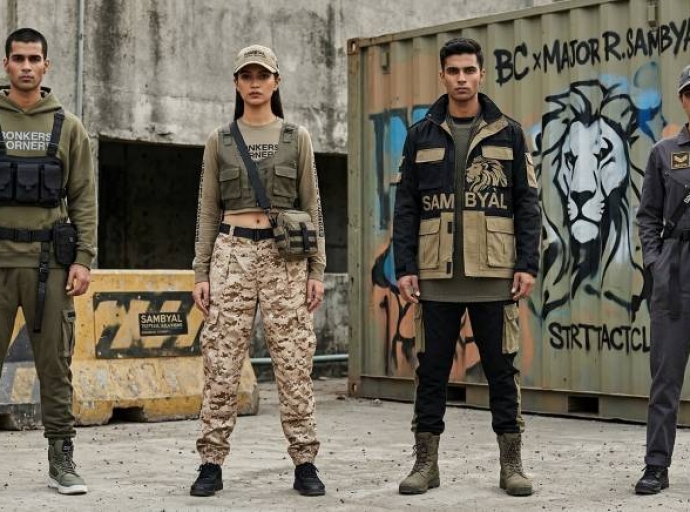
Homegrown streetwear brand Bonkers Corner has unveiled a strategic apparel partnership with retired Special Forces officer and former Presidential ADC, Major Rishabh Singh Sambyal (Retd.). Titled Maj Rishab(Retd) X Bonkers, the collection marks a significant shift in retail marketing strategy - moving away from traditional film and sports influencers toward figures associated with discipline, tactical aesthetics, and high performance.Featuring clean, utility-focused designs rather than standard graphic prints, the collection directly targets India's fast-growing Rs 12,000-crore youth casualwear market.

MUCH MORE

Retail aggregation and venture backing

The partnership highlights how direct-to-consumer (D2C) fashion labels leverage niche authority figures to expand retail market share. Having secured an investment from Namita Thapar on Shark Tank India alongside a Rs 95-crore Series A funding round, Bonkers Corner is using high-impact ambassador tie-ups to differentiate its product catalog. While domestic brands face input cost pressures and aggressive competition from international fast-fashion giants, localized agile manufacturing enables domestic labels to deploy targeted capsule lines rapidly. "Partnering with unconventional public figures allows apparel brands to capture authentic consumer sentiment without relying on inflated celebrity endorsement costs, notes Ananya Roy, Retail Strategy Consultant.

VIEW

Expanding through co-branded capsule collections

Bonkers Corner is an Indian omni-channel streetwear brand offering oversized casual apparel across digital platforms and physical stores. The retail venture targets aggressive year-on-year growth backed by recent institutional funding and high-volume direct-to-consumer online operations. Established as an affordable urban fashion label, the company actively expands its market reach through strategic co-branded capsule collections.

Easitex-Textiles Sustainability
Bonkers Corners teams up with Major Rishabh Singh Sambyal for new apparel collection

Aape makes India debut with Delhi flagship; plans three-year expansion

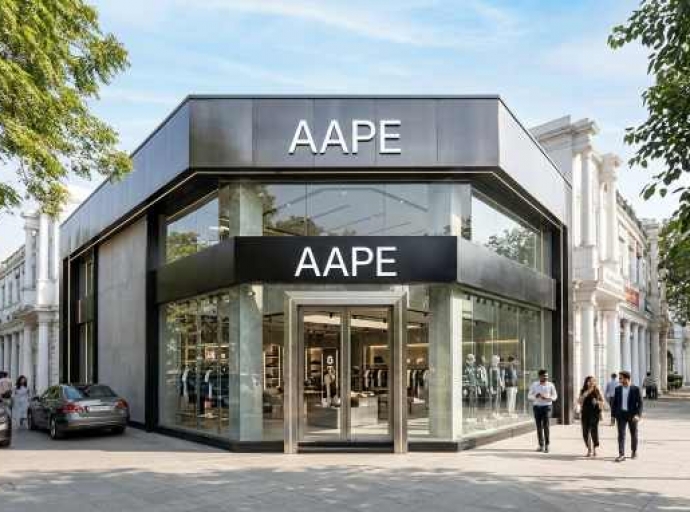
Global streetwear brand Aape By a Bathing Ape has entered India with its first standalone store at Ambience Mall, Vasant Kunj, New Delhi, marking the start of a planned retail expansion into other major Indian cities over the next three years.

Announced on October 23, 2026, this launch introduces the brand’s Fall/Winter 2026 collection across men’s and women’s apparel and accessories. The range includes graphic T-shirts, hoodies, sweatshirts, jackets, shirts, bottoms, caps and bags, featuring its signature camouflage patterns, bold graphics and Moon Face logo.

Limited-edition T-shirt targets Indian shoppers

AAPE is also releasing a limited-edition New Delhi T-shirt featuring an exclusive camouflage design created for its India debut. The launch combines the brand’s international streetwear identity with a product specific to the local market.

The brand’s India operations will be supported by Unit Nine, which will oversee local retail, marketing and customer experience. The companies have not disclosed the store’s investment, sales targets or the number of outlets planned, leaving the pace of expansion dependent on subsequent announcements.

Youth fashion drives international brand entry

Aape’s entry into the Indian market adds to the range of international fashion labels seeking local consumers, particularly younger shoppers drawn to graphic-led casualwear and global street culture. Its existing markets include Japan, China, South Korea, Singapore and the Middle East, alongside selected North American locations.

Focusing on everyday streetwear

Launched in 2012 as a diffusion line within the A Bathing Ape brand, Aape focuses on everyday streetwear, apparel and accessories. Its identity draws on camouflage, graphic prints and youth culture, with collaborations spanning fashion, lifestyle and automotive brands. India is its latest market, with Unit Nine supporting its planned domestic retail growth.

Aape makes India debut with Delhi flagship; plans three-year expansion

Magari Furniture to capture regional demand with new collection

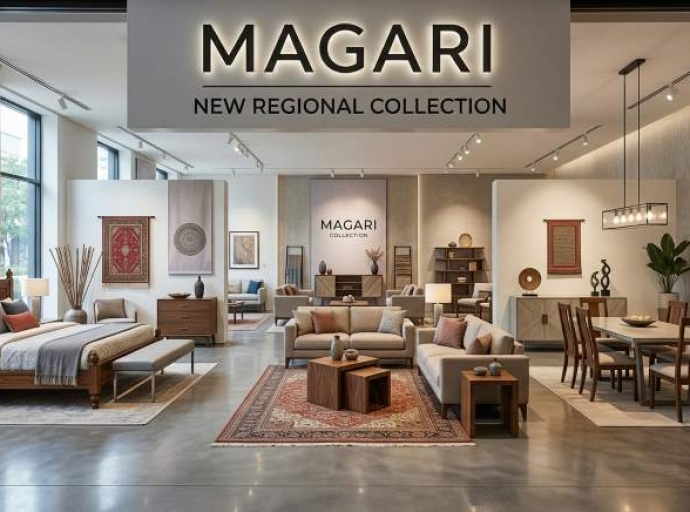
India's luxury home decor sector is redirecting capital toward emerging urban centers, where surging disposable incomes are fueling a 22 per cent annual rise in high-end furniture sales. Domestic demand for artisanal, landscape-inspired furnishings is outperforming standard modular alternatives across Tier-II markets. Operating out of a 72,000-sq-ft production hub, modern furniture manufacturer Magari exemplifies this shift, having capitalized on its latest Noma range to capture regional demand across Kochi and Indore before tapping metro hubs.

MUCH MORE

Artisanal silhouettes drive high-margin domestic Sales

To secure higher gross margins, Magari integrates specialized techniques like hand-smoked leather, kiln-dried ash framing, and custom brass accents. Regional consumers in non-metro hubs are rapidly adopting architectural interior pieces that blend heritage craft with contemporary form, notes Amitha Madan, Co-Founder and Director-Design, Magari Furniture. This strategic shift toward experience-led design helps domestic manufacturers maintain competitive moats against imported, mass-produced decor lines while expanding direct-to-consumer digital channels nationwide.

WATCH 

Targeting retail expansion across Tier I&II cities

Magari designs and manufactures premium residential and commercial furniture, operating key retail outlets across South and Central India alongside a direct-to-consumer e-commerce portal. Founded as a custom craft workshop, the firm currently targets aggressive retail expansion into Tier-I and Tier-II hubs like Mumbai, Delhi, and Ahmedabad to drive long-term revenue growth.

Easitex-Textiles Sustainability

Magari Furniture to capture regional demand with new collection

Liva launches new campaign to highlight importance of garment tag verification

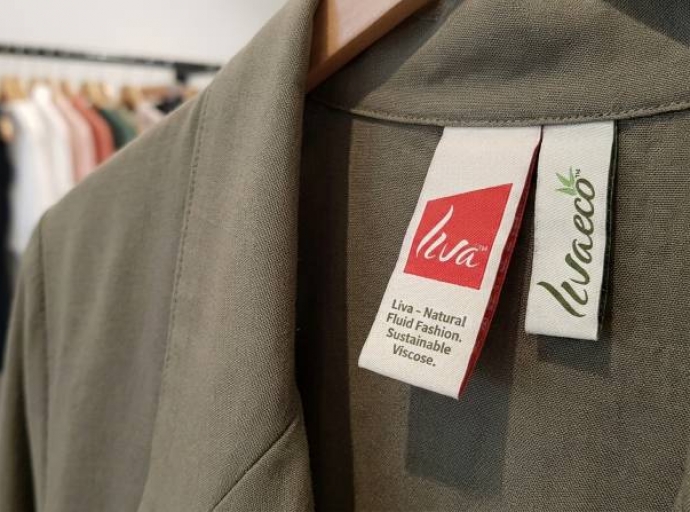
Apparel brands and fabric suppliers are re-engineering their point-of-sale engagement to address growing consumer demand for verified material origins. Rather than relying solely on finished garment labels, ingredient branding strategies are advancing across retail floors. Highlighting this industry shift, Birla Cellulose launched its ‘Tag Check Kiya Kya?’ campaign across digital and retail touchpoints, with an aim to establish physical garment tag verification as an essential purchasing criteria for fashion shoppers.

MUCH MORE

Upstream traceability meets downstream point-of-sale strategy

With global regenerated cellulose markets projected to reach $24.91 billion in 2026, fiber producers face mounting pressure to differentiate plant-based viscose from synthetic alternatives. Apparel retailers utilizing Liva’s signature pink identification tags report enhanced consumer trust and clearer product differentiation in multi-brand retail environments. The strategy mirrors successful component-branding models in technical outerwear, converting raw material specifications into consumer-facing value propositions.

Educating shoppers to audit fabric content at the rack converts raw material quality into measurable brand equity for garment manufacturers, notes an apparel retail strategy director.

SUSTAINABILITY

Investing in sustainable fiber innovation

Operating as the ingredient fabric brand of Birla Cellulose within the Aditya Birla Group, Liva produces wood-pulp-derived cellulosic fibers for apparel and home textiles. Targeting expanded market penetration across domestic and international fashion retail sectors, the division continues investing in sustainable fiber innovation and material traceability initiatives.

Easitex-Textiles Sustainability

Liva launches new campaign to highlight importance of garment tag verification

Latest Publications

Image

Join Our Group

Join Our Group