
Indian ethnic labels storm western closets to drive everyday fashion growth
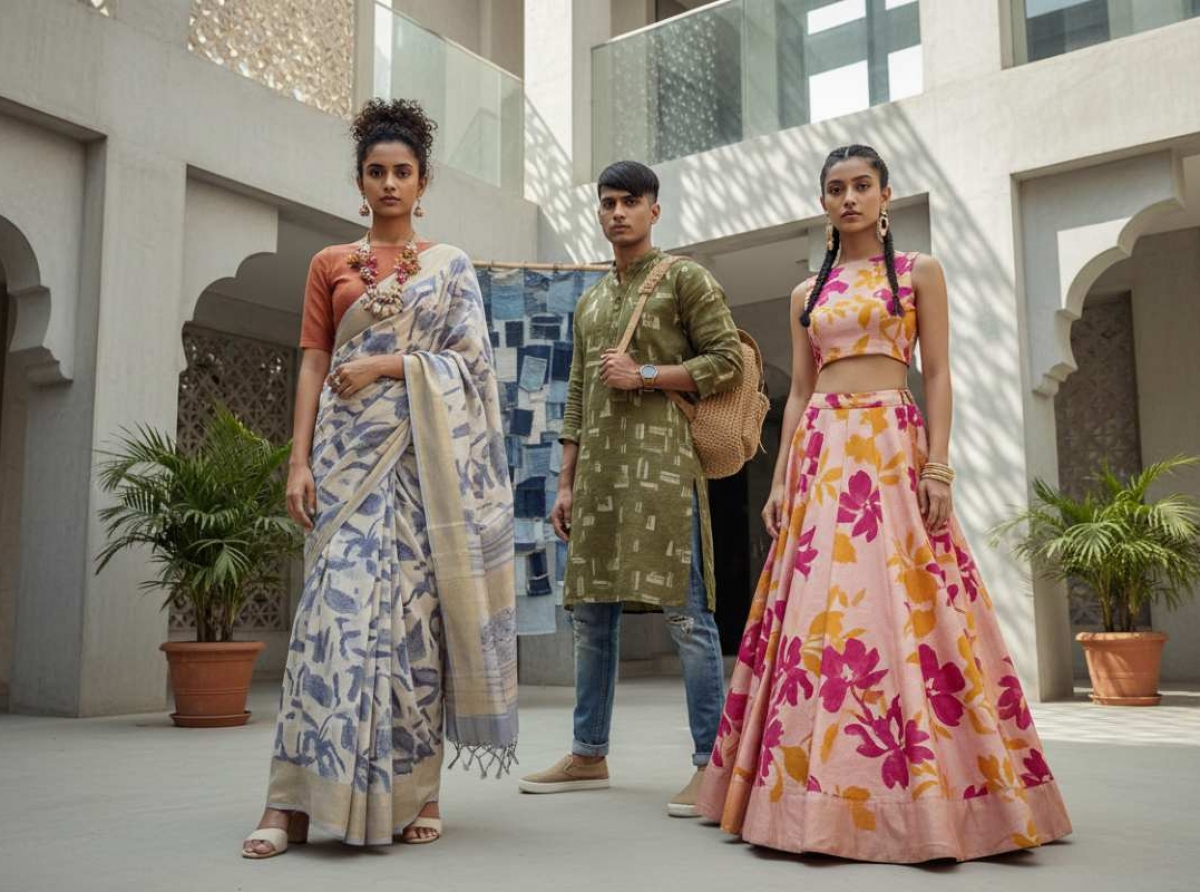
India’s fashion retail market is witnessing a portfolio shift as established ethnic-wear labels move beyond kurtas, sarees and occasion-led collections to capture a larger share of consumers’ everyday wardrobes. The move is driven by a simple commercial calculation: ethnic wear delivers strong margins but remains heavily dependent on weddings, festivals and other occasions. Western and fusion apparel, on the other hand, offers greater purchase frequency through office wear, casual separates, dresses, denim, co-ords and smart-casual clothing.
For large ethnic retailers, the growth is therefore less about abandoning traditional wear and more about converting existing brand equity, retail networks and sourcing capabilities into year-round revenue.
From festive to frequent
India’s celebration-wear economy, estimated at around Rs 2.5 trillion, remains an important profit pool. Yet its inherent seasonality creates a limitation. Consumers may spend heavily on festive or wedding purchases, but the interval between two major purchases can be long.
Western apparel addresses this frequency gap. It accounts for nearly 65 per cent of India’s organised apparel market and is benefiting from changing workplace cultures, rising female workforce participation and the growing acceptance of casual and hybrid dressing.









 Get in Touch!
