
Beyond the spectacle: Rethinking functional luxury in high couture
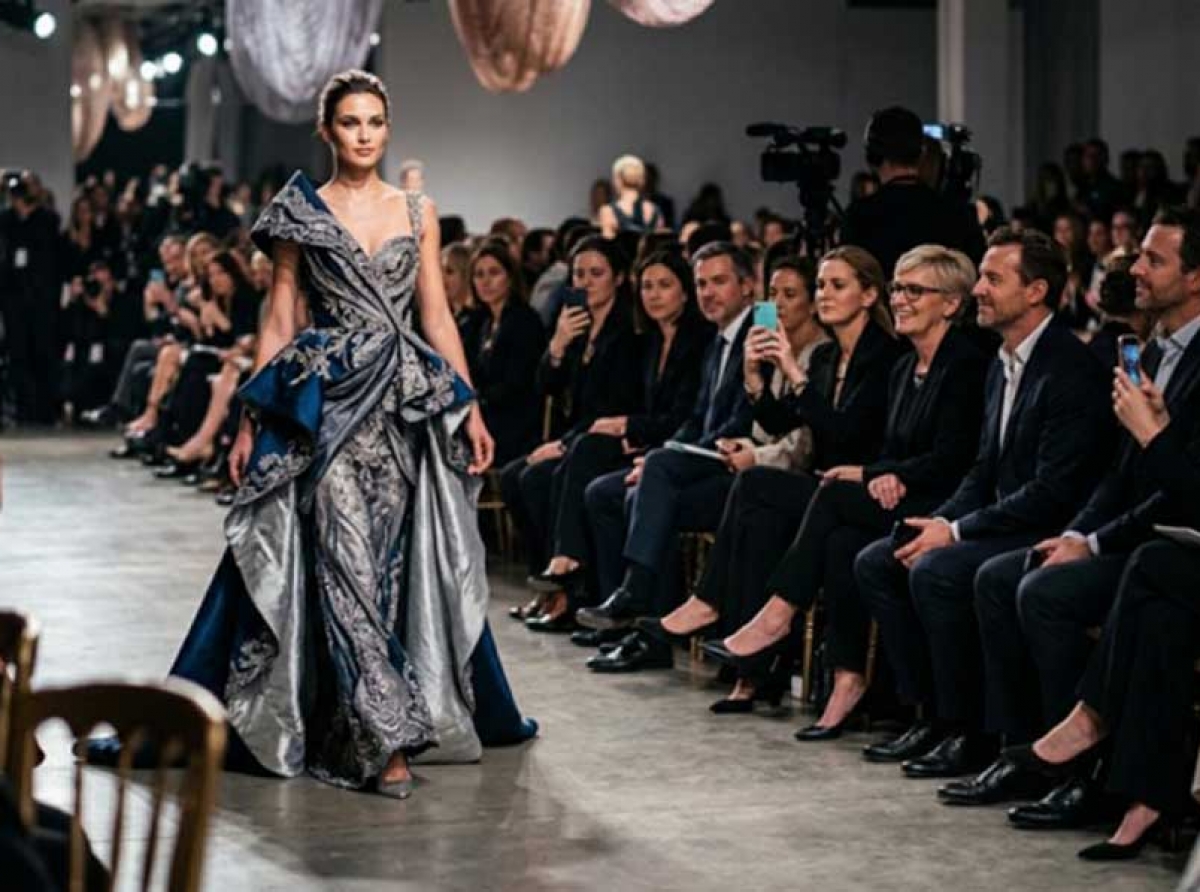
01 June 2026, Mumbai
The recent discourse surrounding the 2026 Cannes Film Festival has thrust the technical limitations of conceptual couture into the spotlight. As elaborate silhouettes dominate the red carpet, a growing segment of the luxury fashion industry is re-evaluating the intersection of avant-garde design and wearer functionality.
Prioritizing ergonomics in avant-garde design
High-profile ensembles, characterized by structural complexity and intensive hand-embroidery, are facing increased scrutiny regarding their impact on mobility and physical comfort. Industry experts note, while maximalist designs generate significant brand equity and digital engagement, they often demand substantial physical concessions from the wearer. True luxury in couture should necessitate a symbiotic relationship between form and function, where the silhouette enhances rather than restricts the individual, states a luxury retail strategist. This tension highlights a shift in consumer expectations, as clients increasingly prioritize garments that facilitate natural movement over those designed primarily for static visual impact.
Sustaining value through wearable art
To bridge this divide, luxury houses are beginning to incorporate performance-grade textiles and modular construction techniques into their atelier processes. A notable case study involves a boutique Parisian atelier that redesigned its structural corsetry using lightweight, flexible biomaterials, resulting in a 40 per cent reduction in weight while maintaining architectural integrity. By integrating such innovations, brands can preserve their creative narrative without sacrificing the essential element of human agency. As the couture sector refines its standards, the focus is shifting toward an empathetic design philosophy that values the wearer's experience as much as the artistic spectacle itself.
The evolution of Amit Aggarwal’s couture
Amit Aggarwal is a premier Indian luxury label specializing in futuristic, sustainable couture that fuses traditional craftsmanship with modern industrial materials. Key categories include bridal wear, structured evening gowns, and intricate occasion wear. The brand maintains a commitment to experimental textiles and global expansion, consistently reporting strong growth in luxury retail sectors. Established in 2012, it has become synonymous with innovative, polymer-based hand-weaving techniques.



 Get in Touch!
