
From Bazaars to Barcodes: The rise of value-driven, tech-powered fashion in India
17 December 2025, Mumbai
India’s fashion economy is in the midst of a sweeping realignment one that is redefining how the country buys, aspires, and expresses itself.
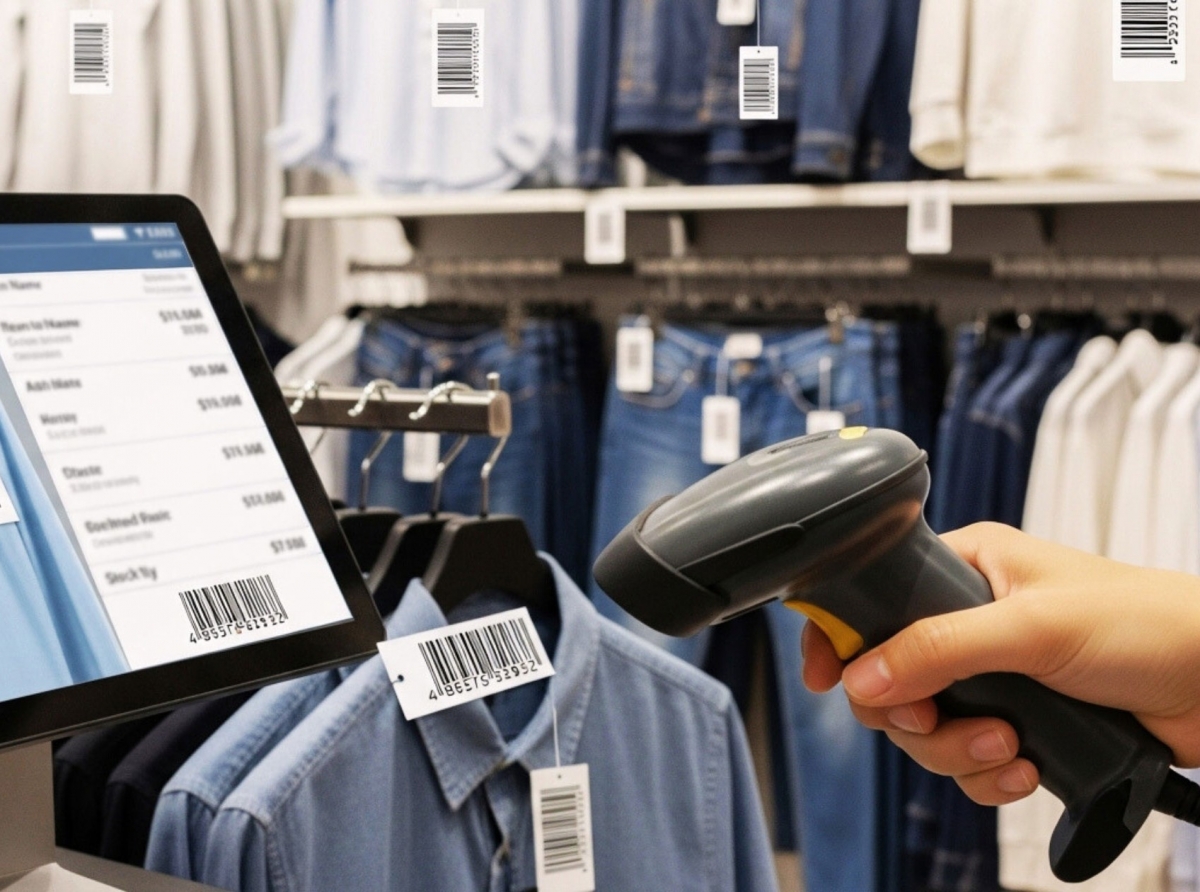
This evolution, often described as the ‘bazaar-to-barcode’ shift, marks India’s transformation from a fragmented landscape of unorganized local markets to a digitally driven, branded, and trust-based ecosystem.
At the heart of this change lies one of the most powerful forces in the modern retail story: value fashion, shaped by a rapidly expanding value-conscious consumer class.
This is not merely a retail evolution; it is a cultural modernization, one where aspirations meet affordability, and fashion becomes democratic, data-driven, and digitally delivered.
The digital foundation fashion economy
India’s fashion and lifestyle sector, now the second-largest consumer category in the country, stands at an estimated value of $110 billion. Of this, the online fashion market contributes roughly $11 billion as of FY23.
The pace of growth in this online segment has been extraordinary.
Fuelled by smartphone adoption, digital literacy, affordable data, and pandemic-driven behavioural change, the online fashion category has grew at nearly 30 per cent annually since 2019.
Projections indicate an even more dramatic rise, with the market expected to hit $35 billion by FY28, growing at a robust 25 per cent CAGR.
Behind these numbers lies a deeper socio-economic story.
The explosion of online fashion is fundamentally about access: to brands, to choices, and to reliable quality. While the metros remain strong consumption hubs, the real boost comes from Tier II, III, and IV cities.
These newly digital regions, once dependent on local bazaars and unbranded goods, now enjoy the same breadth of choice that cosmopolitan consumers have had for decades. E-commerce has equalized fashion access in a way that traditional retail models could never achieve, erasing geographical limitations and bringing organized retail to the doorsteps of consumers who were historically underserved.
Three catalysts powering value fashion boom
1. Tier II+ India: During the 2023 festive season, Tier II-IV cities accounted for more than 80 per cent of online fashion purchases. For a long time, these markets were dominated by local bazaars. Today, they are the most active adopters of branded apparel.
2. The Gen Z–millennial transformation: Gen Z and younger millennials (18-24) are buying new digital-native fashion brands at nearly double the rate of older consumers. By FY28, this group will fuel 75 per cent of demand for disruptor and D2C brands many of which operate squarely in Value Fashion.
3. GST reform: Recent reforms that lowered GST on garments priced under Rs 2500 have eliminated one of the biggest psychological barriers for value-conscious buyers the belief that branded apparel carries unnecessary “label inflation.” This has tilted the scales in favour of organized players offering trustworthy quality at reasonable price points.
As Adarsh Menon of Fireside Ventures observes, “The retail landscape is being rewritten by an explosion of channels. The apparel market’s future will be determined as much by trust infrastructure as by brand power.
The consumer is seeking verified quality at an accessible price point.”
Technology takes center stage
To meet the expectations of this increasingly discerning consumer base, e-commerce platforms and brands have deployed a suite of technological interventions.
Hyper-personalization has emerged as a critical differentiator, with platforms like Myntra employing machine learning and big data to refine recommendations, reduce size-related returns, and enhance customer confidence.
Augmented reality solutions particularly virtual try-ons are playing a growing role in helping consumers visualize fits and textures before purchase, a vital factor for shoppers who may be wary of the perceived risks of online apparel buying.
At the brand level, India’s Value Fashion rise is being shaped by four dominant player groups: national brands expanding downward into entry price points, large private labels developed by e-commerce giants, nimble digital disruptors that address niche needs, and formerly unbranded sellers who are formalizing their operations through online marketplaces. Digital disruptors, in particular, have gained ground by addressing underserved categories such as expressive wear, ethnic fusion, and plus-size fashion, all of which are demand-heavy segments that traditional retail often ignored.
Simultaneously, the government-led Open Network for Digital Commerce (ONDC) is creating a more democratic digital commerce environment. By onboarding more than 2.3 lakh sellers and service providers, ONDC widens consumer choice, lowers price barriers, and creates a fertile ecosystem for Value Fashion brands to flourish.
One of the clearest examples of democratization enabled by e-commerce is the dramatic rise of plus-size fashion in India. The category, projected to grow at a 34 per cent CAGR through 2030, was historically constrained in physical retail, where options were limited, styles were outdated, and the shopping experience often carried stigma.
Online platforms broke these barriers by offering privacy, variety, and inclusivity on an unprecedented scale. Consumers could now access trend-forward designs at fair prices, backed by transparent sizing systems and user reviews.
Online retail has not only expanded the market but has also nurtured confidence and body-positive narratives among millions of consumers who previously felt marginalized.
What the future demands
The rapid democratization of value fashion is not without its challenges. Delivering on the promise of access remains difficult in remote regions where logistics infrastructure is still evolving. Brands are responding by investing in near-shoring models, strengthening supply chains, and optimizing last-mile delivery to maintain the affordability equation.
Environmental and ethical concerns present another urgent challenge.
As consumers become more aware of fashion’s ecological footprint, the value fashion segment is being nudged from purely cheap toward conscious value. Brands are increasingly expected to show transparency in sourcing and invest in longer-lasting, sustainable materials.
There is also the perennial tension between price and quality. Value-conscious shoppers value deals, yet rising incomes push them toward apparel that promises durability and function. Innovations in breathable, stretchable, and durable fabrics are helping bridge this gap, shifting consumer mindsets from owning more to owning better.
The future of Indian fashion is not merely about expansion it is about inclusion. It is about making design, reliability, and expression available to a far wider audience than ever before.
The bazaar-to-barcode shift signals a future, where digital platforms value-conscious consumers, and value-driven brands converge to create a marketplace defined by transparency and empowerment.
The brands that will win this race are those that understand a simple truth: the new Indian consumer is not buying cheaper clothes; they are buying trusted experiences.
And in a market where aspiration meets accessibility, trust becomes the most valuable currency of all.
Finally, counterfeit proliferation and intense competition threaten the integrity of the category. The path ahead depends on brands building deeper trust through authentic storytelling, stronger quality assurance, and superior digital experiences that cement their legitimacy.










 Get in Touch!
