
Phygital, Premium, and Global: Dubai’s role in shaping Indian Fashion
23 January 2026, Mumbai
For Indian fashion and apparel companies seeking to transition from domestic champions to global contenders, Dubai has emerged as the most consequential overseas market.
It is not the largest apparel market by volume, nor the easiest by cost. Instead, it is the most revealing. Dubai compresses global consumer diversity, premium retail infrastructure, tourism-driven demand, and digital maturity into a single ecosystem—making it an unforgiving but invaluable testing ground.
Retail contributes close to 20 per cent of Dubai’s GDP, and fashion sits at the heart of that contribution.
Apparel is not a supporting category in the emirate; it is a primary engine of footfall, dwell time, and discretionary spending.
For Indian brands, Dubai represents the first market where product, pricing, storytelling, and execution are judged against global, not domestic benchmarks.
Where Indian demand meets global expectations
Dubai’s relevance for Indian fashion brands begins with consumer overlap. Indians remain one of the largest tourist cohorts visiting the UAE, alongside a substantial resident Indian diaspora. Apparel shopping particularly in jewellery-linked fashion, ethnic occasion wear, premium casuals, and fast fashion accounts for a significant share of Indian tourist spend. In effect, Dubai functions as an offshore fashion marketplace for Indian consumers, but one that operates under international retail standards.
Table: Market segmentation strategy for Indian apparel brands
Consumer segment Apparel preference Implication for Indian brands Indian Tourists Occasion wear, jewellery-linked fashion, premium casuals Opportunity to premiumise Indian aesthetics and focus on high-margin luxury segments. Indian Diaspora Everyday ethnic, workwear, festive apparel Demand for consistency and sizing accuracy; focus on reliable fit and cross-seasonal availability. Middle Eastern Consumers Luxury, modest fashion, craftsmanship Push toward fabric quality and superior finishing to meet high craftsmanship standards. Western Tourists Fast fashion, resort wear, global trends Forces trend responsiveness and design agility to compete with global fast-fashion cycles.
Unlike India, where brands can target a relatively homogenous price band or cultural cohort, Dubai forces Indian apparel companies to design for multiple consumer psychologies simultaneously. This makes the city an early stress test for global scalability.
Brands must balance the high-finishing requirements of the Middle Eastern market with the fast-paced design cycles demanded by Western tourists. For the diaspora market, the primary hurdle isn't just style, but the technical precision of sizing.
Mall infrastructure as a global fashion arena
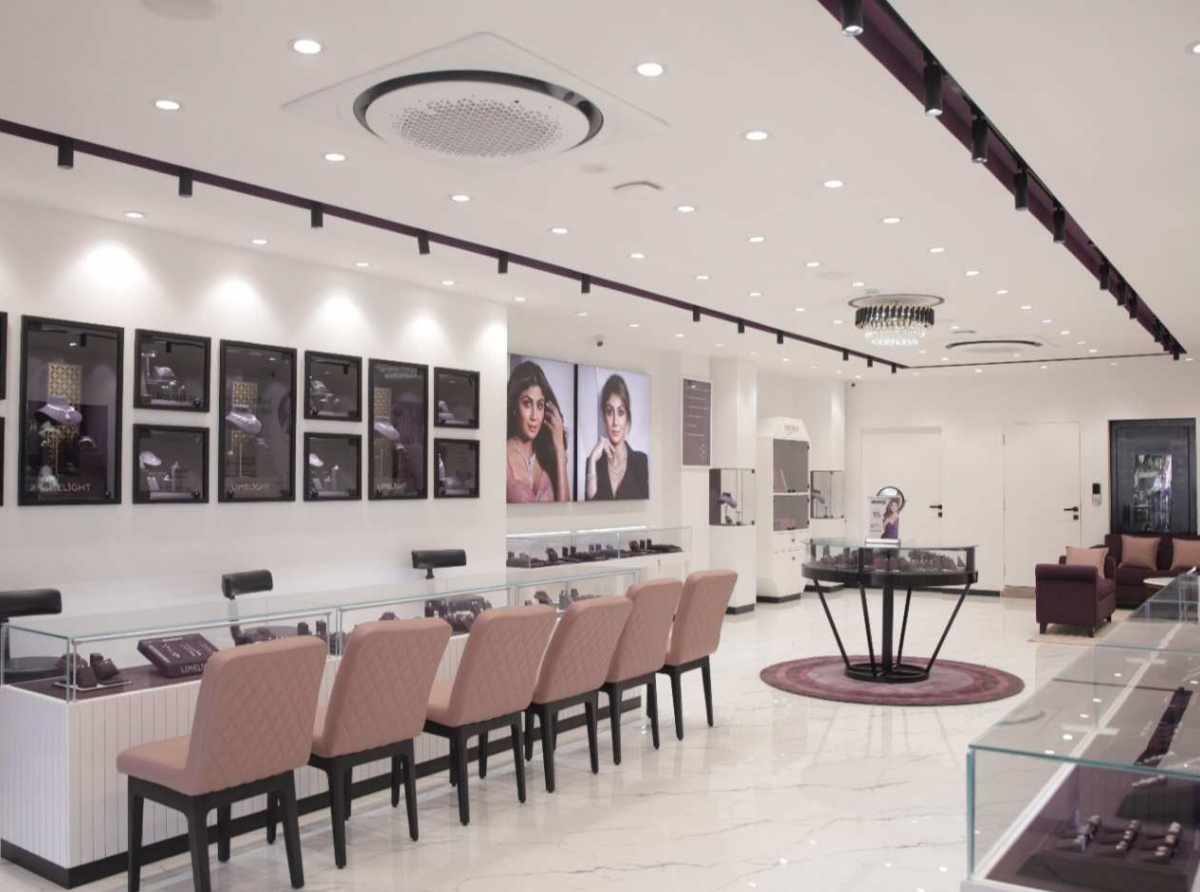
Dubai’s fashion ecosystem is anchored by some of the world’s most influential retail real estate. Malls such as Dubai Mall and Mall of the Emirates operate less like shopping centres and more like global fashion exhibitions. Indian brands in these spaces compete directly with European luxury houses, American fast-fashion chains, and East Asian contemporary labels.
The AED 5 billion expansion of Mall of the Emirates, announced by Majid Al Futtaim, signals continued confidence in physical fashion retail, provided it delivers experience, curation, and narrative depth. For Indian brands, presence in these malls acts as both opportunity and audit. Visual merchandising, store design, fit consistency, and service standards are instantly benchmarked against global leaders.
Table: What Dubai malls test for Indian apparel brands
Retail dimension Dubai benchmark Impact on Indian brands Store Design Experience-led, high CAPEX (sensory-driven, phygital integration). Forces an upgrade from purely functional or storage-heavy layouts to immersive, high-design environments. Visual Merchandising Global luxury standards (curated storytelling, thematic window displays). Improves storytelling discipline, requiring brands to communicate a lifestyle rather than just displaying stock. Product Quality International compliance norms (high fabric durability, finish precision). Raises sourcing and Quality Control (QC) thresholds to meet global export and luxury standards. Brand Positioning Narrative-driven (emotional connection, status, and exclusivity). Moves brands beyond price-led appeal toward value-based and aspirational positioning. In India, scale can sometimes mask inconsistency. In Dubai, inconsistency is immediately exposed. Brands that survive do so because they professionalise not because they discount. To compete in the Dubai market, which is increasingly dominated by Gen Z-focused experiential retail and super-regional mall culture, Indian brands are shifting their core focus.
From volume to value: Instead of pushing high-volume inventory, brands are focusing on the ‘Hero Product’ strategy.
Quality compliance: With stricter regulatory codes in the Middle East regarding materials and labeling, Indian brands are forced to industrialize their boutique craftsmanship.
From ethnic to global, brand repositioning in the UAE Dubai has played a decisive role in reshaping how Indian fashion brands see themselves. Labels such as Tanishq, Malabar Gold, Fabindia, Manyavar, and Forest Essentials have used the UAE market to reposition from ethnic or value-led players into globally legible brands. The UAE consumer does not reject Indian aesthetics but demands refinement. Fabric choice, colour palettes, tailoring, and finish must align with international expectations while retaining cultural authenticity. This balance is difficult to achieve and makes Dubai an effective brand filter.
Dubai as India’s preview market
Dubai’s fashion retail is deeply omnichannel. Consumers discover collections online, trial in-store, complete purchases via mobile, and expect near-instant delivery. The UAE’s fashion e-commerce market is growing rapidly and is projected to form a significant share of total apparel sales by mid-decade. For Indian fashion companies, Dubai offers a preview of India’s near future.
Table: Omnichannel fashion capabilities tested in Dubai
Capability Status in Dubai Readiness gap for Indian brands Real-time Inventory Standard expectation: Unified view across all touchpoints is a prerequisite for entry. Partial adoption: Many Indian brands still face lag between warehouse and storefront data. Phygital Shopping Mature: Magic mirrors, AR try-ons, and "endless aisle" kiosks are common. Still emerging: Mostly restricted to flagship stores; lacking widespread regional scale. Personalisation Data-driven: Hyper-targeted AI recommendations based on high-loyalty app data. Often manual: Reliance on store associates' memory or basic CRM rather than predictive AI. Last-mile Delivery Same/Next-day: Non-negotiable standard for the luxury and urban consumer. Improving but uneven: High efficiency in Tier-1 metros, but lacks the consistent speed of the UAE.
Indian brands operating in Dubai are effectively beta-testing systems, ERP integration, demand forecasting, and customer analytics that will soon be mandatory at home as Indian fashion consumption premiumises.
The gap isn't just about technology but the integration of that technology into the daily consumer journey. In Dubai, a customer expects their online loyalty points to be visible to the store associate the moment they walk in a level of phygital synergy that is still being refined in the Indian domestic market.
Inventory synchronization: Closing this gap is the first step toward profitable scaling in the GCC region.
AI personalization: Moving from ‘Dear’ emails to predictive style suggestions is the next frontier for Indian ethnic wear brands.
Dubai as a gateway for Indian apparel exports
Beyond brand retail, Dubai plays a critical role in India’s apparel export strategy. The emirate acts as a regional distribution hub for the Middle East and North Africa, particularly for womenswear, occasion wear, jewellery-linked fashion, and sustainable textiles. Success in Dubai retail often determines whether Indian apparel can scale across the GCC. Buyers, distributors, and mall operators treat Dubai performance as proof of global readiness.
Table: Why Dubai is a filter market for Indian apparel
Factor Dubai Advantage Export Implication Regulatory Clarity Predictable: Harmonized standards and transparent customs procedures. Low entry friction: Reduces the "hidden costs" of compliance and legal uncertainty. Logistics World-class: Access to Jebel Ali Port and the Bharat Mart ecosystem. Faster replenishment cycles: Enables "just-in-time" inventory for fast-fashion trends. Consumer Diversity High: A melting pot of 200+ nationalities and a massive Indian diaspora. Global validation: Success in Dubai acts as a proof-of-concept for Western and African markets. Trade Frameworks CEPA-supported: Zero-duty access for 90% of Indian exports (by value). Long-term investment: Encourages brands to set up permanent regional HQs and warehouses.
Dubai does not reward low-cost manufacturing alone. It rewards design capability, consistency, and compliance forcing Indian suppliers to move up the value chain.
The CEPA effect on competitiveness
Since the implementation of CEPA, Indian apparel exporters have gained a 5 per cent price advantage over global competitors who are still subject to standard import duties.
This margin is often the difference between a brand being premium-priced and market-competitive in high-end malls like Dubai Mall or Mall of the Emirates.
Insight for 2026
Trademark protection: Unlike India’s ‘First-to-Use’ system, the UAE operates on a ‘First-to-File’ basis. Brands entering the market must secure their intellectual property (IP) registrations before shipping the first container to avoid trademark squatting.
Logistics hubbing: With the expansion of Bharat Mart, small-to-medium Indian brands can now store inventory locally in Dubai, reducing delivery times to GCC neighbors from weeks to under 48 hours.
Thus Dubai’s importance to Indian fashion is not about volume growth. It is about validation. A fashion brand that succeeds in Dubai has proven its ability to compete on quality, experience, and narrative not just price.
As Indian fashion seeks global relevance, Dubai has become the mirror in which that ambition is tested refined, corrected, and, for the best-prepared brands, confirmed.










 Get in Touch!
