
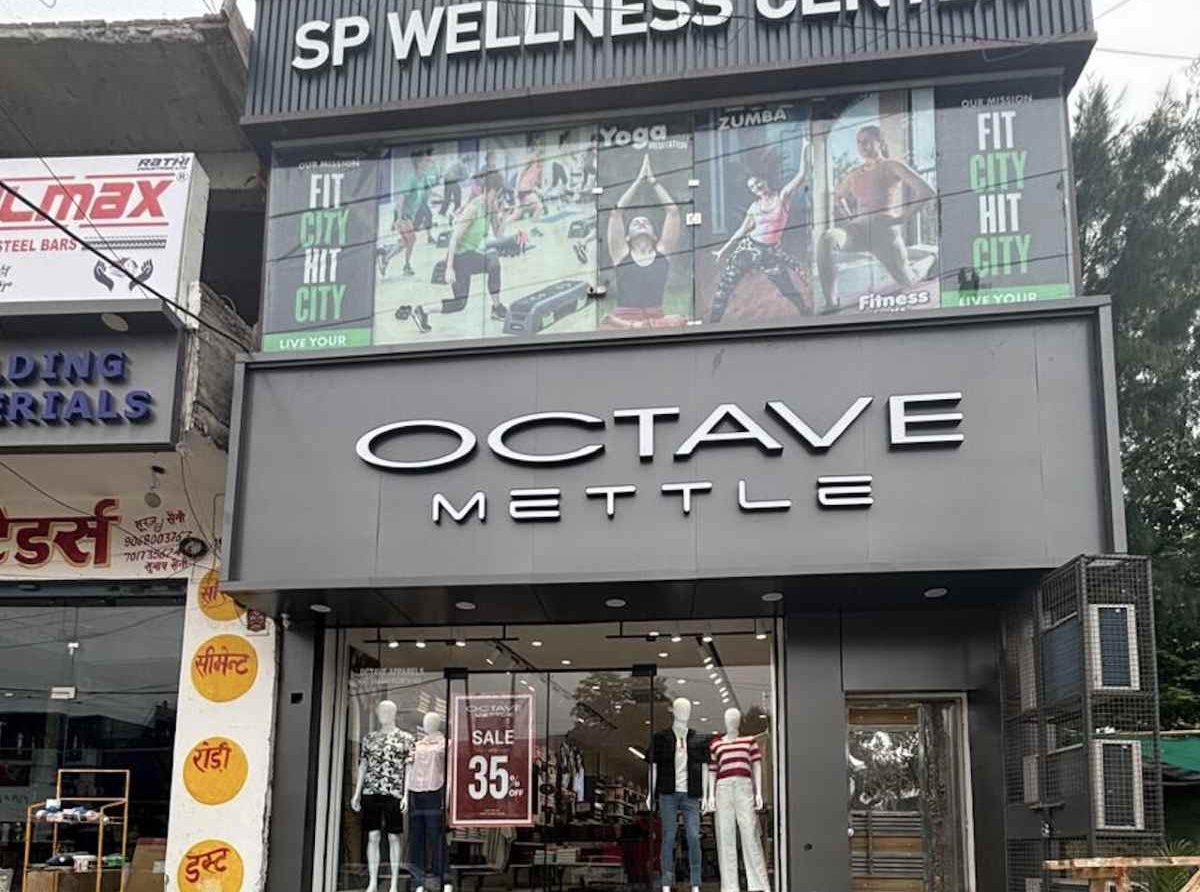
India’s domestic fashion retail market is projected to reach $124.32 billion by 2030, propelled by rising disposable incomes and surging aspirational demand in non-metro regions. Established apparel brands are increasingly reallocating capital toward Tier-ii and III industrial hubs like Uttar Pradesh and Punjab, where commercial real estate overheads remain lower than in metro centers. Partnering with specialized retail real estate advisories such as The Leasing World, brands like Ludhiana-born Octave are accelerating store openings, building a network exceeding 400 EBOs alongside distribution in 600 MBOs nationwide.
Navigating inventory and supply chain dynamics
While physical storefronts in secondary markets yield strong sales conversion, store footprint expansion requires strict inventory management. Rising freight expenses and high return rates in regional e-commerce channels make physical store density a key operational strategy. Expanding the company’s physical footprint in emerging regional hubs ensures sustainable volume growth while optimizing supply chain efficiency, states Balbir Kumar, Chairman and Managing Director, Octave Apparels. With casual knitwear and menswear driving over 40 per cent of regional market demand, mid-segment retailers utilizing vertically integrated manufacturing facilities are best positioned to maintain price stability across physical and digital sales channels.
Targeting Rs 400 crore annual turnover
Founded in Ludhiana in 1991, Octave Apparels manufactures everyday casualwear, knitwear, and winterwear across men’s, women’s, and junior lines. Supported by vertically integrated production generating seven million garments annually, the company targets Rs 400 crore in annual turnover while expanding across domestic regional markets and overseas hubs like the UAE.









 Get in Touch!
