
Crafting cultural capital: How Fabindia shaped India’s lifestyle retail paradigm
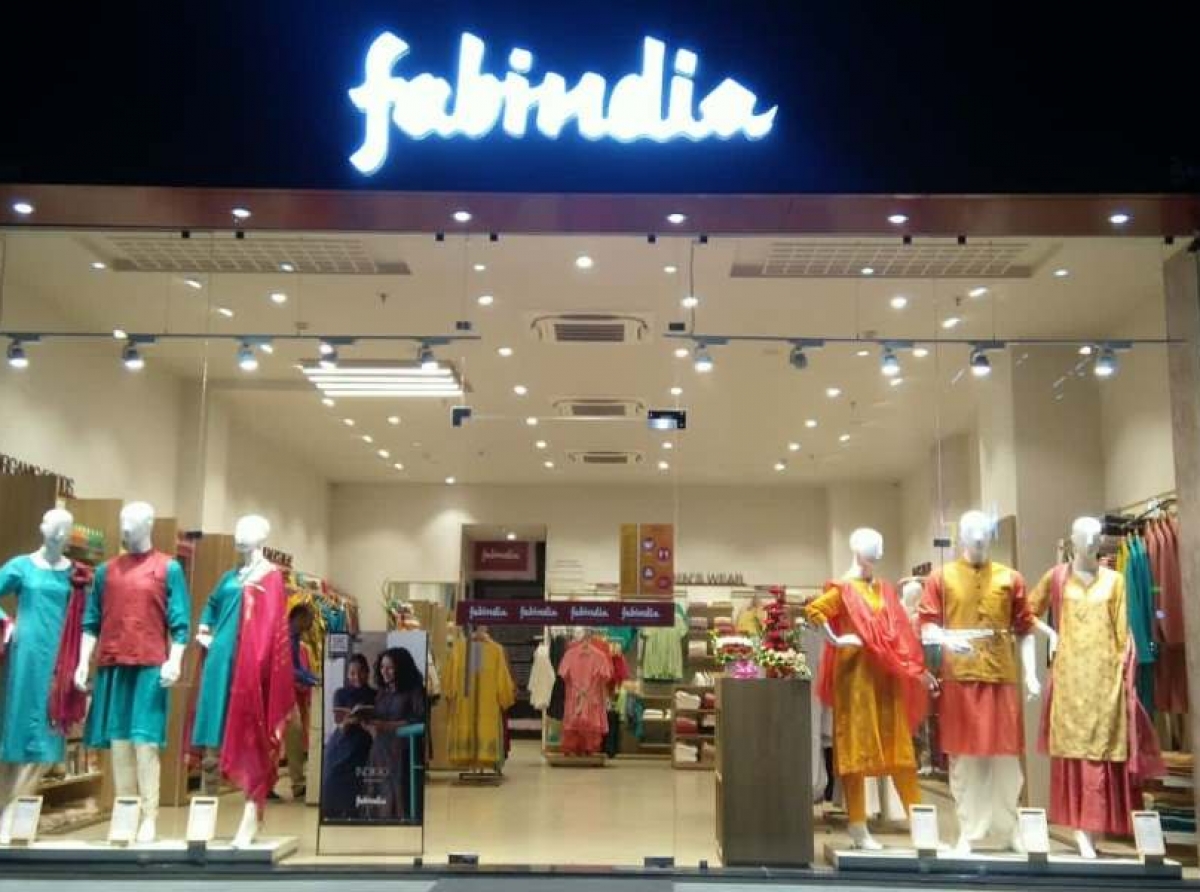
Indian lifestyle retail has long navigated the delicate balance between commercial scalability and cultural preservation, a dynamic masterminded by heritage institutions. Established in 1960, Fabindia transitioned from an export-oriented upholstery venture into a dominant domestic retail force by positioning traditional handlooms as everyday wardrobe staples. Rather than depending on aggressive promotional discounting, the brand scaled its operations by embedding community-owned supply chains directly into organized retail value networks. By connecting over 40,000 rural artisans with urban consumers, the enterprise demonstrated that cultural authenticity could successfully command value-premium pricing without diluting traditional integrity.
Navigating omnichannel expansion and experiential scale
To sustain market relevance amid intense competition from contemporary digital-first entrants, Fabindia has actively modernized its operational footprint. The enterprise currently oversees an extensive network nearing 400 brick-and-mortar storefronts, complemented by strategic integration into quick-commerce delivery ecosystems. Executive leadership notes that physical locations are progressively transitioning into experiential service hubs featuring dedicated interior design studios, bespoke customization facilities, and integrated digital touchpoints. According to Ajay Kapoor, Chief Executive Officer, the integration of QR codes across merchandise allows younger demographics to trace specific textile techniques like Bagru and Chikankari, bridging traditional craftsmanship with modern consumer curiosity.
Balancing profitability with purpose-led growth
Despite generating over R1,000 crore in annual standalone revenue, the company continues to confront complex financial headwinds, marked by fluctuating bottom-line performance and elevated inventory holding costs stemming from strategic transitions toward company-operated retail models. Sector analysts observe that while omni-channel upgrades and international scaling into regions like the UK and Southeast Asia present robust growth vectors, optimizing working capital remains critical. Ultimately, Fabindia’s ongoing evolution offers a vital blueprint for lifestyle brands attempting to reconcile heritage preservation with aggressive corporate expansion.
Founded in 1960 by John Bissell, Fabindia is India’s foremost lifestyle retail brand specializing in handcrafted apparel, home furnishings, personal care items, and organic goods. The brand operates extensively across Indian metros, tier-II, and tier-III cities alongside key international touchpoints in Southeast Asia, Europe, and the Middle East, with ethnic wear and sustainable homeware forming its primary revenue pillars.
The company is aggressively expanding its physical footprint toward the 400-store milestone, scaling western-wear label Fabels, enhancing omnichannel digital infrastructure, and expanding international e-commerce channels. Maintaining a robust revenue baseline exceeding Rs 1,000 crore, the firm is focused on strengthening operational efficiency, reducing debt obligations, and streamlining inventory management.











 Get in Touch!
