
Retailers bank on premium wardrobes to drive festive sales growth
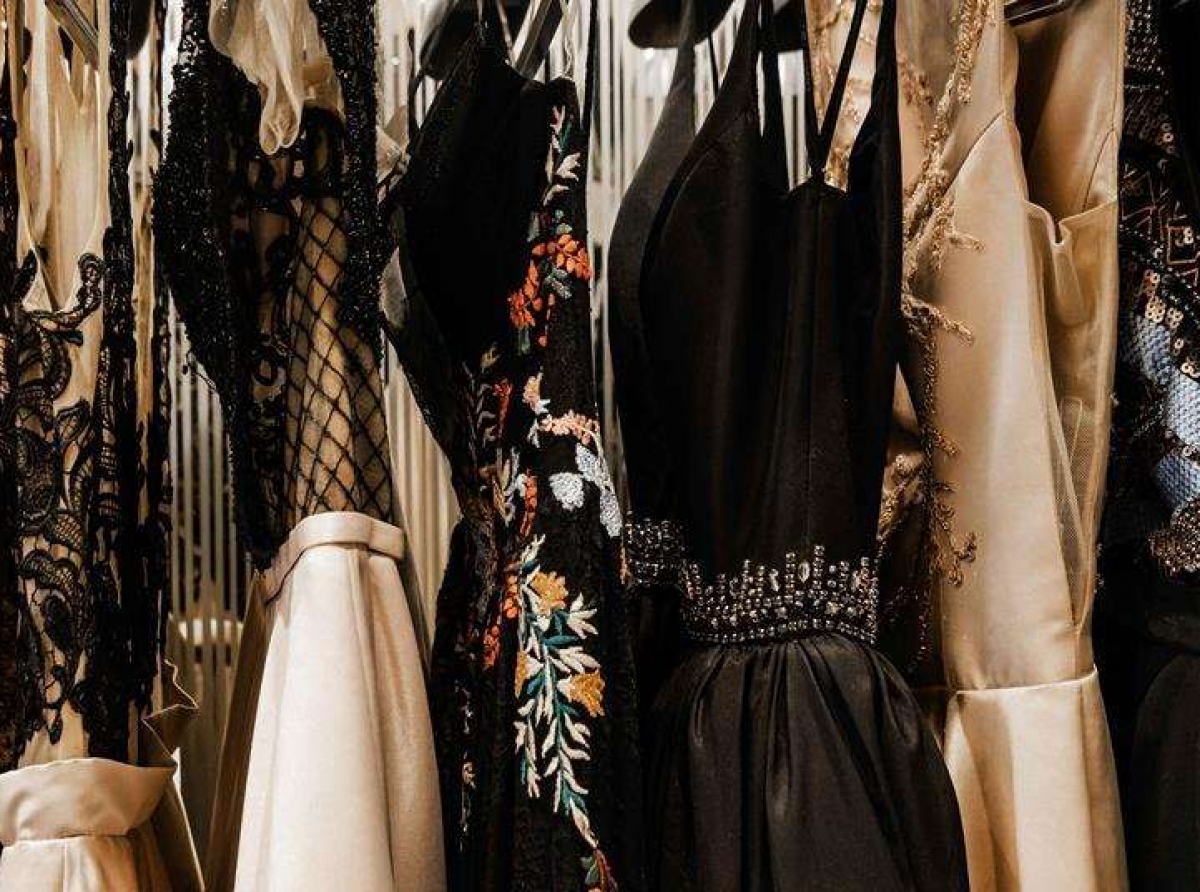
India's festive shopping season is shaping up to be less about volume and more about value. Even as geopolitical tensions continue to disrupt global logistics and inflation remains a concern across major economies, domestic fashion retailers are entering the country's most important consumption quarter with unusual confidence. The defining trend is premiumisation, consumers are increasingly choosing higher-value apparel, occasion wear and accessories over larger quantities of lower-priced purchases.
For retailers, this shift is particularly significant because the festive season traditionally contributes a disproportionate share of annual revenues. This year, the combination of strong urban consumption, policy support and digital retail maturity is creating conditions for stronger margins rather than merely higher sales volumes.
Bigger carts replace bigger volumes
Unlike previous festive cycles that relied heavily on discount-led demand, the current season is being driven by customers willing to spend more per transaction. Industry estimates indicate festive retail spending could grow 14-16 per cent year-on-year, with fashion and lifestyle expected to outperform broader discretionary categories through higher average selling prices.
Consumers are reallocating household budgets toward premium ethnic ensembles, occasion wear, tailored western apparel and branded accessories. The shift reflects changing buying behaviour as shoppers seek products with longer wardrobe relevance while also responding to an expanding wedding calendar.
|
Category |
Projected growth YoY |
Primary revenue drivers |
Average basket value |
|
Premium Ethnic Wear |
18% – 22% |
Silk sherwanis, embroidered lehengas, silk sarees |
Up 15% |
|
Mid-Range Western Wear |
10% – 12% |
Formal suits, casual blazers, party wear |
Up 6% |
|
Fashion Footwear & Accessories |
14% – 16% |
Leather footwear, embellished handbags, timepieces |
Up 12% |
The strongest momentum continues to come from premium ethnic wear, where wedding demand, family celebrations and gifting are supporting higher ticket sizes. Accessories are also emerging as an important margin contributor, with retailers increasingly cross-selling footwear, handbags and watches alongside apparel purchases.
Policy support strengthens consumption
Premiumisation is also receiving support from the broader economic environment. GST adjustments on select textile categories, relatively stable interest rates and easing inflation have helped preserve discretionary spending among middle- and upper-income households.
Rather than increasing overall shopping budgets, consumers appear to be prioritising quality and occasion-led purchases. This behaviour offers retailers healthier growth because higher-value merchandise generally carries stronger gross margins than heavily discounted mass-market products. The trend is particularly visible across Tier-I and Tier-II cities, where aspirational consumers are becoming more brand conscious while seeking differentiated festive collections.
Supply chains become a competitive advantage
While demand indicators remain encouraging, execution is becoming increasingly dependent on supply-chain resilience. Global maritime disruptions have lengthened shipping schedules for imported trims, speciality yarns and embellishments, forcing brands to rethink procurement strategies ahead of the festive rush. The response has been a shift toward domestic sourcing hubs such as Surat, Tiruppur and Ludhiana, allowing retailers to reduce dependence on volatile international freight networks.
Many brands have also shortened inventory planning cycles, secured production slots much earlier and diversified vendor bases to minimise stock-out risks during peak shopping weeks. The result is that supply-chain agility is becoming as important as merchandising. Retailers able to maintain product availability during high-demand periods stand to capture incremental market share as delayed imports continue to affect competitors.
Omnichannel moves beyond convenience
The festive season is also highlighting how omnichannel retail has evolved from a customer-service feature into a revenue optimisation tool. Celebration wear specialist Vedant Fashions, through its Manyavar and Mohey brands, reveal this transition. By integrating digital platforms, physical stores and rapid fulfilment capabilities, the company has reduced stock-out incidents during pre-festive campaigns while encouraging customers browsing online to complete purchases through store visits for fittings and styling consultations.
The model has also improved cross-category purchases, with shoppers adding footwear and accessories to their apparel purchases, lifting overall transaction values. Such integrated inventory visibility allows retailers to maximise sales while avoiding excess stock accumulation across locations.
As consumers begin their purchase journey online before completing transactions in stores, inventory synchronisation is becoming a key competitive differentiator rather than simply a technological upgrade.
Growth must be balanced with discipline
Despite favourable demand conditions, analysts caution that the real test will come after the festive season. Premium merchandise requires careful inventory management because excessive stock can quickly erode margins through markdowns. At the same time, rising rentals in premium malls continue to put pressure on store economics, making productivity per sq. ft. more important than aggressive physical expansion.
Retailers are therefore expected to focus on balanced product portfolios that combine entry-level offerings with premium collections, while relying on data-driven inventory planning to manage working capital efficiently. The encouraging indicator is that early wholesale bookings, sustained online engagement and the approaching winter wedding season suggest premium demand is unlikely to fade immediately after the festive period.
For India's fashion industry, the festive quarter is becoming a test of operational excellence rather than promotional intensity. Brands that combine premium assortments, agile sourcing and integrated omnichannel capabilities are likely to emerge with stronger profits not merely stronger revenues in the second half of the financial year.








 Get in Touch!
