
Suburban retail penetration accelerates across North India value apparel sector
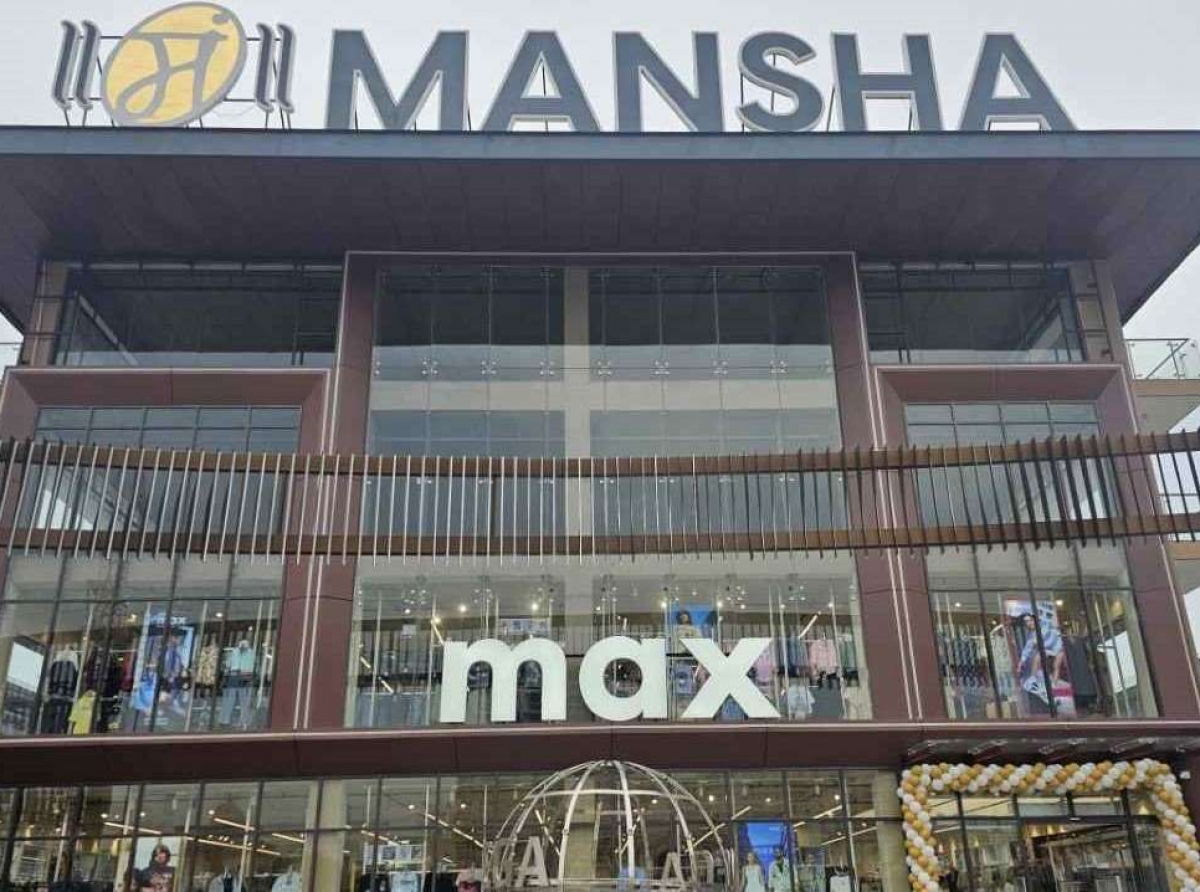
Suburban household demand is pushing organized apparel retailers to establish modern storefronts outside traditional metropolitan commercial centers. Value fashion player Max Fashion's third outlet in Faridabad and 91st across North India - exemplifies how apparel brands are targeting high-density residential catchments. Supported by parent entity Lifestyle International, which generated Rs 11,766 crore in FY25 operations revenue, this expansion aligns with broader national retail strategies prioritizing suburban volume.
Storefront visibility and operational real estate strategy
Positioning retail assets within emerging residential belts enables apparel chains to capture rising family spending on modern wardrobe essentials. Featuring a three-side glass façade designed for enhanced visual merchandising, the Faridabad facility bolsters a national footprint exceeding 510 locations across 200 cities. Skyrocketing commercial rentals in core high-street zones pose persistent cost pressures, prompting apparel brands to secure prime floor space in expanding suburban corridors instead.
Locating physical storefronts directly within expanding suburban clusters allows value fashion retailers to capture hyper-local family expenditure while optimizing real estate overheads, notes Rajiv Sharma, Senior Retail Strategist.
Commercial scale and retail network baseline
Founded in India in 2006 by UAE-based Landmark Group, Max Fashion markets accessible clothing, footwear, and lifestyle accessories for women, men, and children. Serving over 35 million shoppers through 510 stores, the brand plans continued network expansion across Tier-II and suburban markets, backed by Lifestyle International's sustained profitability.








 Get in Touch!
