
- 1. India’s premium fashion sector accelerates past traditional retail milestones
- (Retail)
- India’s fashion and apparel market is witnessing a profound transformation as consumers pivot away from strictly occasion-led buying toward versatile, high-craft wardrobe investments. Industry assessments ...
- Created on 10 October 2026
- 2. Raymond departs from traditional retail with appointment of new CEO - Defense
- (Brands-To-Retail)
- In a move signaling a radical departure from its traditional retail legacy, Raymond Limited has appointed Bhanu Prakash Srivastava, former Chairman and Managing Director, Bharat Electronics Limited (BEL) ...
- Created on 07 July 2026
- 3. Fabindia accelerates western wear and quick commerce to drive retail growth
- (Brands-To-Retail)
- ... into its Western wear brand, Fabels, while expanding into non-traditional sales channels like quick commerce. Strategic shift toward modern silhouettes While ethnic apparel continues to command nearly ...
- Created on 22 October 2026
- 4. Festive fashion demand rises across non-metro digital retail
- (Retail)
- ... premium apparel and lifestyle segments rose significantly as buyers utilized structured installment plans to manage larger ticket sizes. Consequently, traditional e-commerce marketplaces outperformed instant ...
- Created on 21 October 2026
- 5. Ethnic wear retailers turn to experiential out-of-home marketing to drive store footfall
- (Retail)
- ... market share in organized celebrationwear Traditional retail formats are adapting promotional models to counter digital customer acquisition cost pressures. Retail strategists observe, immersive physical ...
- Created on 16 October 2026
- 6. Tier-II cities, repeat wear reshape India’s festive fashion retail
- (Retail)
- ... India’s ethnicwear market, valued at around $22.8 billion and projected to touch $32.7 billion by 2032, has traditionally depended on the festive and wedding seasons for a substantial share of annual ...
- Created on 15 October 2026
- 7. Premium retailers target men’s luxury segment as rising consumption drives retail expansion
- (Retail)
- ... jewelry segment expanding by 25 per cent to 30 per cent annually and accounting for nearly 15 per cent of the total Rs 8.70 lakh crore ($94.14 billion) domestic market, retailers are moving away from traditiona ...
- Created on 15 October 2026
- 8. Victoria’s Secret reaches retail milestone with debut Jaipur store
- (Brands-To-Retail)
- ... demand for international luxury labels outside traditional metropolitan centers. Experiential commerce and global collection rollouts Operating within a modern experiential retail format, the Jaipur ...
- Created on 14 October 2026
- 9. Urban Indian retailers bet on premium festive apparel as demand rebounds
- (Retail)
- ... and elevated cotton input costs, organized apparel brands are projecting double-digit revenue expansion. The festive run-rate, which traditionally generates up to 40 per cent of annual apparel turnover, ...
- Created on 13 October 2026
- 10. Designer Pawan Sachdevaa bridges heritage craft with modern retail expansion
- (Lifestyle)
- ... tailoring. Drawing on over 27 years of industry expertise, the upcoming showcase reinterprets traditional textile lineages - including Bandhani, Kasuti, and Kantha - by fusing them with technical fabrics ...
- Created on 08 October 2026
- 11. Mumbai’s luxury retail reaches new heights in Kala Ghoda
- (Retail)
- ... valuation of India's luxury fashion segment, which continues to outpace traditional retail metrics through targeted experiential positioning and diversified product pipelines. SUSTAINABILITY Targeting ...
- Created on 07 October 2026
- 12. Quick commerce forces India’s fashion retail to rethink inventory
- (Retail)
- ... to reach $65-70 billion by 2030 and generate 45-50 per cent of incremental e-retail growth over the next five years. For fashion, a category traditionally built around multi-day courier fulfilment, this ...
- Created on 06 October 2026
- 13. Fine jewelry brand Qween targets Rs 100 crore revenue amid ambitious retail rollout
- (Trade)
- ... crore in operating revenue for the current fiscal year. Experiential architecture redefines engagement Moving beyond traditional transactional storefronts, the brand is systematically deploying massive ...
- Created on 06 October 2026
- 14. Tribe Amrapali expands travel retail footprint with landmark Chennai expansion
- (Brands-To-Retail)
- ... ethos rooted in Indian folklore and classical craftsmanship. By placing experiential storefronts in prime transit corridors, the enterprise effectively mitigates traditional high-street rental pressures ...
- Created on 06 October 2026
- 15. Festive demand, store expansion give Indian apparel retail an edge over global markets
- (Retail)
- ... the 60-point expansion threshold. For Indian apparel retailers, the timing is particularly significant. The September-to-December period covers Durga Puja, Diwali and the winter wedding season, traditionally ...
- Created on 05 October 2026
- 16. Retailers look beyond metros as unmet demand drives store expansion
- (Retail)
- ... subsequently expanded into Chandigarh and Lucknow, using large-format stores in prime retail locations. The model effectively reverses traditional expansion logic. Instead of opening stores and waiting ...
- Created on 24 September 2026
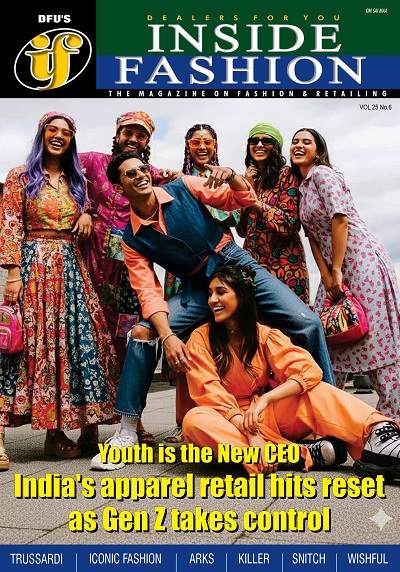
- 17. Screenshot to Cart: How Gen Z is rewriting India’s fashion retail model
- (Retail)
- Smartphone camera roll are emerging as important shopping destination for India’s fashion retail. For Gen Z consumers, fashion discovery is moving away from mall corridors, storefront displays and traditional ...
- Created on 24 September 2026
- 18. How Trent, Reliance and others rebuilt the retail floor
- (Brands-To-Retail)
- ... traditional department-store model became structurally unviable. Refer A different retail equation The key difference is not simply store size. It is who carries the inventory risk, who controls ...
- Created on 22 September 2026
- 19. Maharashtra redefines value retail with new store launch in Bhiwandi
- (Retail)
- ... along the Mumbai-Nashik highway corridor, the multi-crore retail ecosystem is engineered to host over one hundred domestic and international lifestyle brands. Unlike traditional shopping centers tied to ...
- Created on 22 September 2026
- 20. Banana Club expands into accessories to capture high-margin retail growth
- (Brands-To-Retail)
- ... market competitiveness Navigating competitive pressures within value apparel requires brands to diversify revenue streams beyond traditional textile lines. Industry analysts indicate that accessory integration ...
- Created on 18 September 2026









 Get in Touch!

