
Political power dressing: A new frontier for India’s luxury retail
29 May 2026, Mumbai
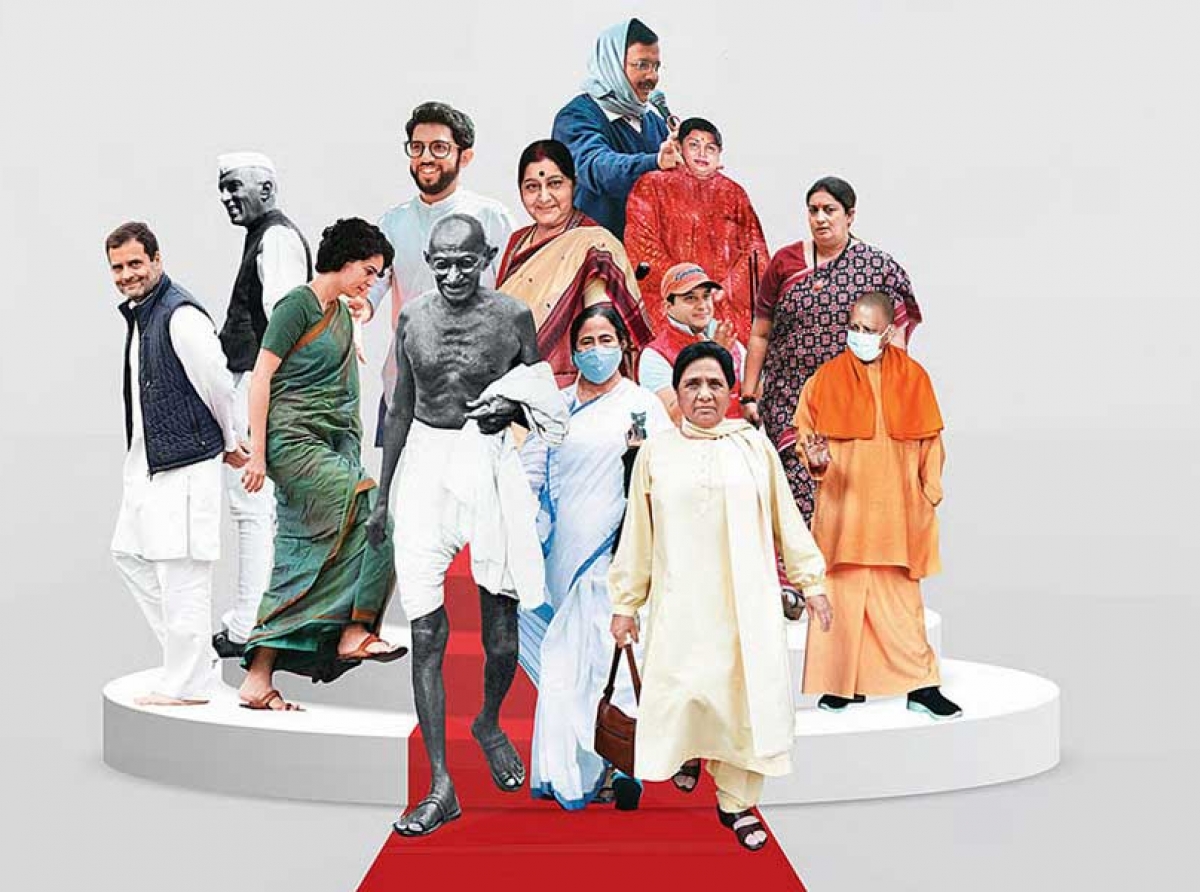
As India’s luxury market tracks toward a $12 billion valuation by 2028, the traditional image of the ascetic politician is undergoing a quiet, high-end transformation. Senior political figures, most notably DK Shivakumar, Deputy Chief Minister, Karnataka are increasingly integrating global luxury labels into their public wardrobes. This shift signifies a departure from the ‘khadi-minimalist’ aesthetic that has historically dominated Indian political fashion, suggesting that regional leaders are becoming key influencers in a broader national trend of conspicuous consumption.
Scaling the Tier-II luxury opportunity
Industry data indicates that luxury brands are no longer tethered solely to the corporate corridors of Mumbai or Delhi. With the domestic luxury fashion market expanding rapidly, Tier-II cities are expected to contribute significantly to future sales. Observers note, leaders like Shivakumar - who publicly embraces high-horology staples such as the Rolex Cosmograph Daytona and premium cashmere accessories from houses like Louis Vuitton and Gucci - are normalizing luxury acquisition among regional elites. This behavior aligns with a wider socio-economic trend where rising disposable incomes in non-metropolitan hubs are driving demand for artisanal, high-status goods that serve as both personal statements and tangible financial assets.
Retail strategies for an evolving consumer
For European fashion houses, the emergence of a regional political class as a consumer base offers a strategic opening. Retailers are moving beyond Bollywood celebrity endorsements, focusing instead on ‘experiential retail’ and personalized engagement that resonates with influential local figures. As the appetite for heritage brands deepens in states like Karnataka, luxury retailers are refining their localized marketing tactics, recognizing that status symbols are increasingly viewed as essential accouterments of political and business success. This evolution suggests that the future of luxury in India will be defined less by national icons and more by the aspirational habits of regional power brokers.
Political landscape in Karnataka
The state of Karnataka remains a high-stakes political theater for the Congress party, characterized by intense internal power-sharing dynamics. A long-time influential party organizer, DK Shivkumar has risen to the forefront of state leadership. His high-profile, luxury-forward public persona marks a distinct departure from traditional political austerity.








 Get in Touch!
