
Apparel brands lead retail real estate revival in H1 2026 with aggressive store expansion: Report
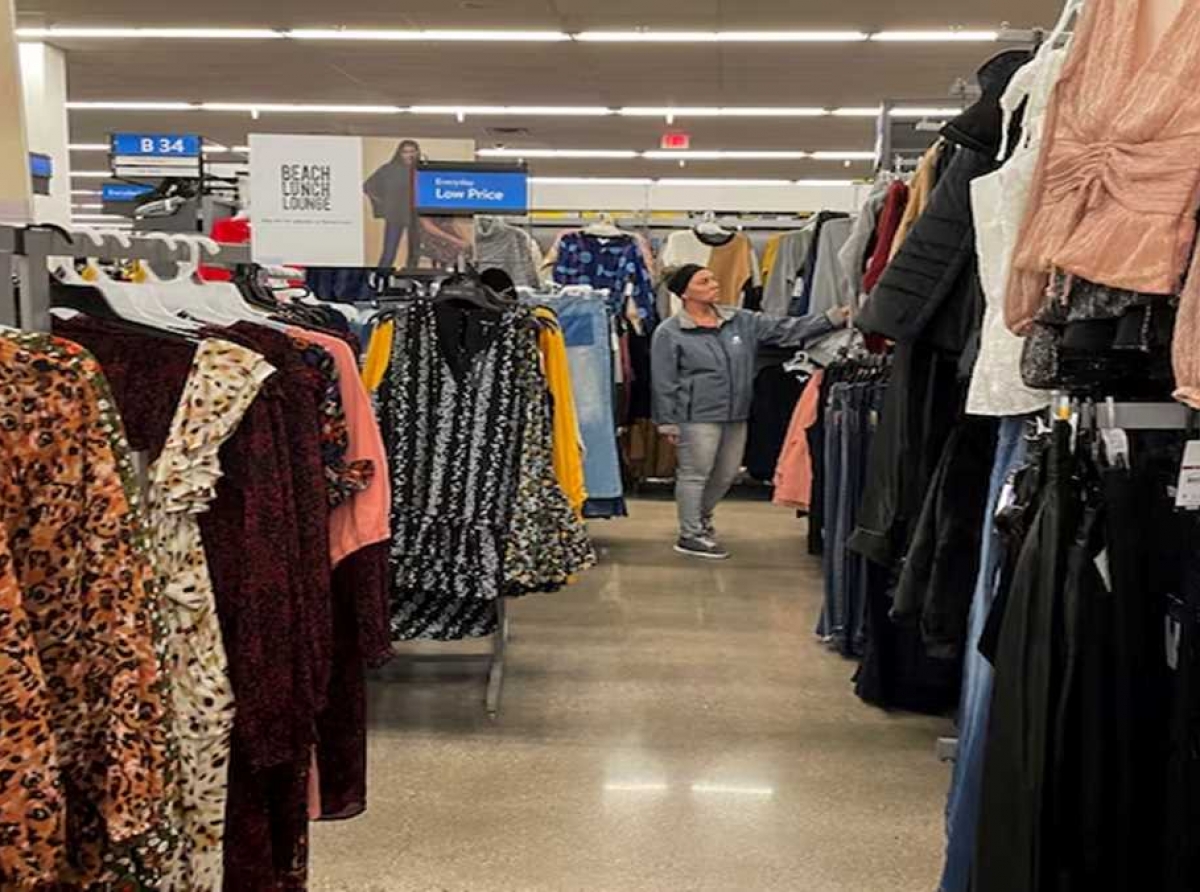
The retail real estate market has entered a new growth phase, with fashion and apparel retailers emerging as the biggest drivers of commercial leasing in India. As per CBRE South Asia's India Retail H1 2026 report, gross retail leasing rose 20 per cent year-on-year to 3.9 million sq. ft. during the first six months of 2026, underlining the sector's renewed confidence in brick-and-mortar expansion.
Fashion and apparel alone accounted for nearly 40 per cent of total retail space absorption, making it the largest occupier across India's organised retail sector. The numbers reflect more than a recovery from the pandemic years, they point to a change in how retailers are approaching growth. As digital customer acquisition becomes expensive, brands are investing in physical stores that strengthen omnichannel engagement, improve customer experience and generate higher-value transactions.
The momentum increased further in the second quarter, when leasing activity touched nearly 2 million sq. ft., driven by value-fashion chains, mid-market apparel retailers and international brands expanding flagship networks.
"India's retail story in H1 2026 reflects a market that is maturing, not just growing. Retailers today are making sharper, more considered choices about where and how they expand, and that discipline is exactly what is building a more resilient, long-term retail sector for the country," says Anshuman Magazine, Chairman & CEO-India, South-East Asia, Middle East & North Africa, CBRE.
Fashion becomes the growth driver
The dominance of fashion retailers highlights the changing priorities of organised retail. Unlike previous expansion cycles focused primarily on metros, brands are now balancing flagship stores in major cities with rapid rollout programmes across regional markets.
Table: Retail category-wise growth in HI 2026
|
Retail category |
H1 2026 space absorption share |
Growth drivers |
|
Fashion & Apparel |
40% |
Department store rollouts, athleisure expansion, mid-range apparel |
|
Food & Beverage (F&B) |
14% |
Experiential dining, global QSR chains, multi-cuisine hubs |
|
Entertainment & Leisure |
9% |
Family entertainment centers, gaming zones, multiplexes |
|
Jewellery |
7% |
Organized chain expansion, flagship showroom launches |
|
Homeware & Furnishings |
7% |
Home decor banners, lifestyle design outlets |
|
Consumer Electronics |
6% |
Large-format digital stores, experiential tech outlets |
|
Other Categories |
7% |
Hypermarkets, health & personal care, luxury brands |
While food & beverage and entertainment continue to strengthen the experiential appeal of malls, fashion remains the principal anchor attracting footfall and driving leasing demand.
Regional markets in centre stage
Although Delhi-NCR, Hyderabad and Mumbai together generated over 60 per cent of leasing activity during Q2 2026, some of the strongest category concentration came from Tier-II cities. Fashion and apparel accounted for roughly 69 per cent of retail space absorption in both Chandigarh and Jaipur during H1 2026, while Kochi recorded nearly 65 per cent. These markets are witnessing growing investment from department stores, value-fashion chains and national lifestyle brands that are capitalising on rising disposable incomes, improving infrastructure and lower operating costs compared with metro markets.
|
Geographic market cluster |
Fashion leasing share (H1 2026) |
Operational real estate dynamics |
|
Chandigarh |
69% |
High absorption in high-street corridors and regional shopping centers |
|
Jaipur |
69% |
Strong demand from national value-fashion and lifestyle banners |
|
Kochi |
65% |
Accelerated mall absorption by department stores and mid-range brands |
|
Top Metros (NCR, Hyd, Mum) |
35-40% |
Core anchor tenancy, flagship launches, premium format rollouts |
The expansion reflects growing confidence that demand for organised fashion retail is no longer concentrated in India's largest cities. Instead, retailers are finding sustainable growth opportunities across regional consumption centres where modern retail penetration remains relatively low.
Omnichannel drives store expansion
Consumer behaviour is reshaping store expansion strategies. The mainstream adoption of athleisure, casual workwear and premium lifestyle products has encouraged brands to broaden assortments while redesigning store formats to accommodate multiple product categories.
Premiumisation is also supporting expansion by international brands, even as domestic retailers accounted for more than 70 per cent of total retail leasing during H1 2026.
Direct-to-consumer (D2C) brands have become another important contributor, with almost 28 per cent of retail space absorption. Many digitally native fashion companies are opening permanent stores to reduce customer acquisition costs, improve profitability and integrate online and offline shopping journeys. Technology is becoming central to these expansion strategies. Retailers are increasingly deploying AI-based inventory forecasting, data-led assortment planning and digitally enabled store design to tailor merchandise for local consumer preferences while improving stock productivity.
Supply constraints reshape expansion plans
Strong retailer demand is colliding with limited availability of premium retail space, particularly in metropolitan markets. Only about 0.9 million sq. ft. of fresh Grade A retail supply entered the market during H1 2026, all of it in Delhi-NCR through developments such as DLF Midtown Plaza and Felix Plaza. The shortage is prompting brands to compete for prime high-street locations while increasingly pre-leasing space in upcoming retail projects.
Improving metro connectivity, ring roads and suburban infrastructure are simultaneously increasing retail catchments beyond traditional city centres. Developers are responding with mixed-use retail projects that combine shopping, entertainment and residential components in emerging suburban corridors.
"What stands out this half is how organised retail formats are gaining operational depth across both metros and emerging Tier-II centres. Supply additions in peripheral belts combined with infrastructure upgrades will ensure that fashion and lifestyle brands maintain strong retail expansion velocity throughout the coming years," saus Rami Kaushal, Managing Director, Consulting & Valuations (India, Middle East & Africa), CBRE.
Standardised formats power faster rollouts
The expansion strategy adopted by value-fashion retailers shows how operational efficiency is becoming a competitive advantage. Trent's Zudio has built one of the country's fastest-growing store networks by standardising store sizes of around 7,000-10,000 sq. ft., maintaining rapid inventory turnover and focusing on high-street locations across Tier-II, Tier-III and suburban markets. The model delivers strong sales productivity while enabling faster replication across diverse geographies.
The broader retail leasing data suggests that India's next phase of organised retail growth will be shaped by disciplined physical expansion rather than indiscriminate store additions. With fashion retailers continuing to anchor mall occupancy, strengthen high streets and deepen their presence beyond metros, commercial real estate is increasingly becoming a strategic growth lever rather than simply a distribution channel.








 Get in Touch!
