
From tailors to trendsetters fast fashion drives India’s menswear boom
23 March 2026, Mumbai
The Indian menswear market is at an inflection point, as the organized fast fashion segment grows past traditional unbranded retail, reshaping the Rs 19,800 crore menswear market. Projections indicate by 2030, the segment will grow from Rs 13,500 crore in 2026 to nearly Rs 19,800 crore, with both metro-centric growth and the rapid rise of Tier II, III cities. Digital-first brands and omnichannel retailers are capitalizing on the masstige sweet spot, offering aspirational style at pocket-friendly price points.
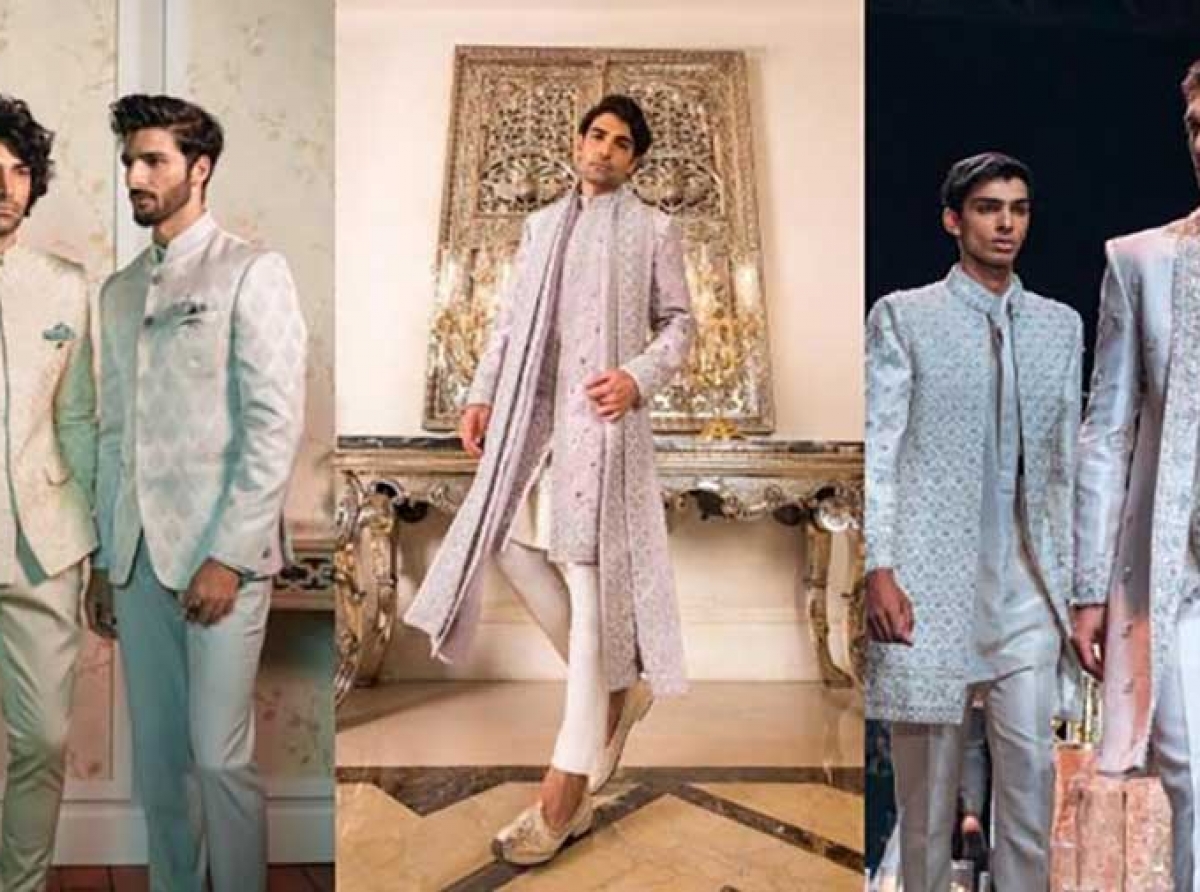
Moving from tailors to trend-first brands
Historically, India’s menswear sector thrived on unorganized tailors and local outlets, offering volume-driven basics. The transition to branded retail is now increasing. Analysts project the organized menswear segment will be over 60 per cent of total consumer spend by 2030. Unlike broader garment growth, which maintains steady single-digit gains, the branded fast fashion segment is growing at a CAGR of 16.7 per cent largely due to Gen Z and millennial consumers seeking international aesthetics in an accessible luxury range.
As per a senior consultant at OCC Strategy, India today mirrors China’s late-2000s fashion inflection. Clothing is no longer just utility, it’s a tool for self-expression. Brands offering a ‘Zara-level’ aesthetic at Indian masstige prices are winning.
The rise of quick commerce
The emergence of trend-first commerce models illustrates the changing dynamics of Indian menswear. Supply chains are maturing, and quick commerce platforms are redefining consumer expectations for delivery speed. Early 2026 data shows a sevenfold increase in rapid-delivery transactions over 2025, reflecting a modern male shopper’s dual emphasis on style and immediacy.
|
Metric |
2025 (estimated) |
2030 (projected) |
Growth catalyst |
|
Market Size (Menswear Fast Fashion) |
Rs 11,251 cr |
Rs 19,800 cr |
Gen Z Aspiration |
|
Organized Segment Share |
35% |
55%+ |
Digital Penetration |
|
Online Return Rates |
30% - 40% |
<25% (Target) |
AI Size Engines |
|
Tier II, III Contribution |
40% |
55% |
Omnichannel Scale |
The table highlights how penetration beyond metros and tech-driven inventory management will define winners in the next growth cycle.
Some brands exemplify the masstige growth through vertical integration and rapid stock rotation. For example, Snitch, founded in 2020, achieved Rs 520 crore revenue in FY25, doubling in scale within 12 months. Operating on a 30-day fashion cycle with six-week lead times, Snitch maintains dead-stock levels of just 3-4 per cent, compared to the 10-15 per cent industry average. Simlarly, Rare Rabbit, catering to premium masstige consumers, reported Rs 637 crore revenue for FY24 with Rs 75 crore net profits. Using GOTS-certified fabrics and subtle quiet luxury cues, the brand justifies higher average transaction values while appealing to young professionals seeking aspirational yet grounded style.
Addressing operational bottlenecks
Despite optimistic revenue projections, online menswear faces numerous challenges in reverse logistics. Return rates in India remain high between 30 to 50 per cent primarily due to inconsistent sizing and inventory bracketing. Retailers are increasingly deploying AI-driven virtual try-ons and generative AI size recommendation tools. Early pilots suggest a potential reduction of fit-related returns by up to 30 per cent, preserving margins in a category long plagued by return inefficiencies.
The Indo-western wardrobe revolution
The aesthetic driver of this growth is a unique Indo-Western fusion, combining global streetwear sensibilities with local relevance. In 2026, oversized silhouettes, utility wear, and hybrid cultural elements dominate the male fashion scenario. Analysts project by 2030, brands riding on data-backed production cycles and regional cultural insights will capture the majority of the market still held by unorganized players, particularly with the anticipated 2.5 billion D2C shipments across India.
Local manufacturing meets global style
Emerging players such as Banana Club are redefining India’s masstige narrative through Made in India offerings. With 17 stores and plans to expand to 50 by the end of 2026, the brand targets Rs 300 crore revenue by 2027. In-house manufacturing enables rapid stock rotation and alignment with digital-first distribution strategies, giving Banana Club a competitive edge in India’s urbanizing retail ecosystem.
Thus India’s menswear masstige segment is no longer a niche it has evolved into a growth engine for fast fashion. Digital-native players, Tier II-III market penetration, AI-driven inventory, and quick commerce are converging to drive both scale and sophistication. By 2030, the combination of data-led operations, culturally tuned design, and formalized retail is set to make menswear one of the most dynamic growth categories in Indian fashion, challenging the dominance of unorganized channels and setting new benchmarks for aspirational consumption.









 Get in Touch!
