All Stories

India Circus by Krsnaa Mehta unveils largest store in Gurugram

12 November 2025, Mumbai 

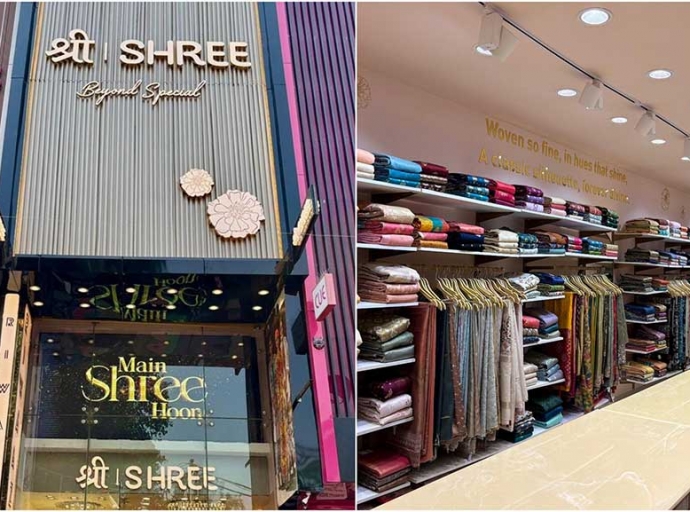
A brand under the Godrej Enterprises umbrella, India Circus by Krsnaa Mehta has opened its largest retail location to date at IREO Mall in Gurugram, marking a decade of vibrant and contemporary Indian design.

KNOW MORE

Spanning nearly 2,000 sq ft, the new flagship store is an expansive celebration of the brand's journey, which began with prints and has grown into a comprehensive lifestyle portfolio.

The immersive space showcases a wide range of products across home décor, dining, fashion, accessories and wallpapers.

Fashion Guru

Krsnaa Mehta, Founder and Executive Director, notes, the Gurugram store reflects the significant demand and growth the brand has experienced over the past ten years.

The decision to choose Gurugram was strategic, recognizing the area as the NCR’s business and lifestyle hub, with a consumer base that is discerning, design-literate, and proud of their roots.

 Join our group

The store itself is designed as a curated gallery, weaving together India's cultural heritage with a modern, functional approach

As part of its ongoing expansion, India Circus plans to further strengthen its local presence with another store opening soon at Silverglade Mall in Gurugram.

LATEST FASHION NEWS
IndiaCircus

Luxury fashion brand Carma opens new store in Mumbai

12 November 2025, Mumbai 

The multi-brand luxury brand Carma has opened a new store in Fort, Mumbai, offering metro shoppers a curated selection of designer wear from India.

KNOW MORE

Conceptualized to blend heritage with modern design, this South Mumbai boutique features a high-end selection of traditional and occasion wear for women.

The new store houses brands including Varun Bahl, Puneet Kapoor, Label Ankita, Nidhika Shekhar, Drishti Chhabra, Mithi Supari, Devkalii, Ivory by Dipika, Vrinda by Pundrik, Ease, Asma Husain, Sainy Garg, Jiviva, Kashmiraa and Kajol Goyal.

Fashion Guru

Established in 1986, Carma also operates stores in New Delhi and Hyderabad. The business offers personalized consultations, along with digital services like virtual appointments and assisted shopping.

By opening in Mumbai, Carma intends to connect with a new consumer base in the popular Fort shopping district.

LATEST FASHION NEWS
Carma

Kurta 2.0: How men’s ethnic wear became India’s fastest-growing fashion segment

12 November 2025, Mumbai 

The classic kurta-pyjama, long seen as a symbol of South Asian heritage, is having a modern renaissance. Once reserved for festivals and ceremonies, it has been reinvented as a statement of everyday style a reflection of India’s cultural self-confidence meeting global fashion sensibilities. This evolution, often dubbed ‘The Great Unstitch’, has turned the once-humble garment into a powerful economic force within India’s booming men’s apparel industry.

Know More

From ritual wear to runway relevance

For decades, the kurta-pyjama was an occasional indulgence, worn at weddings, Diwali gatherings, or religious functions. But in the last few years, it has entered the mainstream as part of wardrobes, workplaces, and wedding selfies. Its rebranding from a traditional outfit to a contemporary lifestyle choice reflects broader shifts in India’s economy and culture.

Fashion Guru

The data backs the transformation.

Metric

Indian ethnic wear market (overall)

Indian menswear market (Overall)

Men's ethnic wear segment (Niche)

Market Valuation (2024)

$197.2 bn

$20.4 bn

6% of the overall menswear market

Projected Market Value (2033)

$558.5 bn (by 2033)

$38.8 bn (by 2033)

Projected to grow at a CAGR of nearly 20% (over next 4 years)

Projected CAGR

12.6% (2024-2033)

7.4% (2025-2033)

Fastest-growing apparel segment

Sources: Business Research Insights, IMARC Group, Technopak This table underscores a telling trend: men’s ethnic wear is outpacing the broader menswear market, expanding nearly three times faster than Western apparel.

  Join our group

Rising incomes, rising confidence: the economic tailwind

The growth of India’s aspirational middle class especially in Tier-II and Tier-III cities has turned fashion into a key expression of identity. With household disposable income per capita projected to reach Rs 2.2 lakh by FY2028 (CRISIL), spending on premium and branded ethnic wear has grown. For many young Indians, particularly in semi-urban markets, a stylish kurta or bandi jacket has become a marker of taste and success akin to owning a well-fitted suit in the 1990s. This shift has created a fertile market for both organized and designer-led players who are redefining men’s celebration wear.

Join our community

How e-commerce wove ethnic wear into everyday life

If disposable income was the spark, digital retail was the accelerant. The explosion of e-commerce and social media has turned ethnic wear into an always-available, always-visible fashion category.


Table: India online apparel market 2030 projections

E-commerce market

Value/Projection

Insight

Indian Online Apparel Market Size (2030)

$63 bn

Represents a massive future market valuation.

Compound Annual Growth Rate (CAGR) (2025-30)

24%

Indicates extremely rapid market expansion.

Share of Ethnic Wear in Online Apparel Sales

Estimated 10-12%

A significant and fast-growing sub-segment.

Digital Drivers

Celebrity endorsements, influencer marketing, and customization

The primary mechanisms fueling growth and consumer engagement.

The fusion effect

The modern Indian man no longer sees tradition and trend as opposites. The kurta-pyjama has evolved in silhouette, fabric, and styling to keep pace with the country’s changing fashion vocabulary. The rigid rule of pairing a kurta with a pyjama has broken down, giving way to the wildly popular Indo-Western look, where tradition meets comfort. The most visible element is the Nehru jacket or bandi jacket, which is now a versatile wardrobe staple. Pairing an intricately embroidered jacket with a plain kurta and trousers instantly transforms the outfit for a formal or semi-formal look. The pajama or churidar is frequently replaced by dhoti pants, Jodhpuri trousers, or even well-fitted chinos/jeans for a younger, casual twist.

VIEW

The modern men's kurta ensemble is defined by its dramatic cuts, fabric innovation, and focus on versatility.

Feature

The Traditional kurta-pyjama

The transformed kurta ensemble

Silhouette/Fit

Straight-cut, loose-fit, maximum comfort.

Slim-fit, asymmetrical, high-low, and draped cuts (e.g., cowl kurtas).

Fabric

Cotton, simple silk, or handloom khadi.

Velvet, brocade, linen blends, jacquard, often with sustainable/organic sourcing.

Colour Palette

White, cream, traditional jewel tones (maroon, gold).

Soft pastels (mint green, lilac, ivory), bold hues (midnight blue, emerald), and florals.

Styling

Minimalist; worn as a single set.

Layered with Nehru/bandi jackets, printed stoles, brooches, and designer footwear (juttis/mojaris).

Visit for more

Regional artistry goes mainstream

Artisanal crafts like Lucknowi chikankari, Banarasi silk, and Rajasthani block prints have moved from local boutiques to e-commerce storefronts. What was once regional exclusivity is now part of a nationwide design language, thanks to digital logistics and online curation.

SUSTAINABILITY

The brand wars

Manyavar, the market maker: When Vedant Fashions launched Manyavar in 1999, it transformed ethnic wear retail from an unorganized cluster of local boutiques into a category-defining segment.

Manyavar positioned the kurta and sherwani as celebration wear, turning them into aspirational purchases. Its campaigns featuring Virat Kohli and Ranveer Singh elevated ethnic attire to premium status.

The brand expanded via a Company-Owned, Company-Operated (COCO) model, maintaining consistency across over 500 stores and strong representation in diaspora markets.

DFU Profile

Manyavar’s success proved that cultural authenticity, when coupled with design innovation and brand storytelling, could yield scale comparable to Western wear giants. The success of Manyavar attracted major corporate players, further pushed up the market's transformation.

Tasva (Aditya Birla Fashion + Tarun Tahiliani): Launched aggressively, focusing on bridging the gap between designer wear and accessible luxury. Tasva has reportedly seen its business double in the last year, with an expansion plan to add hundreds of new stores, highlighting the market’s enormous potential.

Read our latest issue

Ethnix (by Raymond): Raymond, an established giant, also scaled up its Ethnix line to target Tier-II and III cities, which comprise an estimated 85 per cent of the market, with competitively priced, modern ethnic wear.

Fabindia Men: Fabindia operates in a distinct niche, prioritizing craft, sustainability, and authenticity. While Tasva and Ethnix focus heavily on wedding and celebratory occasion wear (sherwanis, indowestern suits), Fabindia Men offers a wider range of ethnic apparel, including options for daily wear and conscious consumers.

The brand’s aesthetic is classic, relying on the intrinsic value of its fabrics and handiwork. Consumers who prioritize ethical sourcing, natural materials, and authentic Indian craft over fast fashion or high-gloss occasion wear.

Publications portfolio

With handloom and sustainable focus it offers a lifestyle choice that stands apart from the occasion-wear-dominant market.

Table: Big brands in men’s ethnic wear market

Feature

Tasva

Ethnix by Raymond

Fabindia Men

Parent Company

Aditya Birla Fashion & Retail + Tarun Tahiliani

Raymond Group

Fabindia

Strategic Focus

Premium, Designer-Inspired Wear at Accessible Prices

Accessible, Modern Silhouettes for Mass Market

Sustainable and Artisanal Menswear

Pricing Strategy

Premium/Upper-Mid Range. Positioned at a slight premium to competitors like Manyavar.

Mass Market/Mid-Range. Focuses on accessible pricing to drive volume and penetration in smaller cities.

Mid-Range. Reflects the value of handlooms and artisanal crafts.

Target Customer

Modern, Affluent Indian Men in metros and Tier-I cities seeking designer aesthetics for wedding and occasion wear without the ultra-high-end designer price tag.

Value-Conscious Men in Tier-II/III cities looking for modern ethnic and wedding wear. Focus on broader appeal and quick fashion trends.

Conscious Consumers across all tiers, who value sustainability, handloom, and craft, often for everyday ethnic wear and festive occasions.

Design DNA

High-Fashion/Designer Aesthetics. Modern, sophisticated silhouettes with an emphasis on fit, fabric, and designer touch (Tarun Tahiliani influence). Focus on occasion wear.

Contemporary & Modern. Offers a wide range of designs for various occasions, focusing on modern cuts and appealing to mass trends. Focus on occasion wear/wedding wear.

Traditional, Handcrafted & Sustainable. Utilizes Indian handlooms, natural fibers, and artisanal techniques. Designs are generally more classic and lifestyle-oriented.

Growth Strategy

Aggressive expansion with plans for 200+ stores, leveraging the premium space.

Aggressive expansion with 85% of growth in non-metro cities (Tier-II/III) to capture the mass market.

Diversifying product mix and retail presence to move from a lifestyle brand to a full-fledged fashion retailer.

Global demand for Indian aesthetics

As Indian diaspora communities grow in North America, Europe, and the Middle East, demand for ethnic menswear abroad is rising sharply. Export-oriented D2C brands like Kalki, Qbik, and Rohit Bal Men now cater to NRIs seeking designer looks delivered worldwide.

As per IMARC, the global ethnic menswear export market from India is expected to exceed $1.5 billion by 2028, driven by weddings, cultural festivals, and film-inspired fashion.

Thus the Indian men’s kurta-pyjama has transcended its traditional confines.

Should refer

No longer symbolic of just heritage, it now represents a modern Indian masculinity that is confident, expressive, and globally aware. With fashion cycles shortening, fabrics diversifying, and digital sales multiplying, the line between ethnic and everyday wear continues to blur. The next phase of this $38-billion market will likely be defined by sustainability, personalization, and export growth where the unstitched will keep weaving new stories.

LATEST FASHION NEWS

Kurta

Bazaar Style Retail posts Rs 51 crore PAT in Q2, FY16

 12 November 2025, Mumbai 

Delivering a strong performance, Baazar Style Retail reported a Profit After Tax (PAT) of Rs 51 crore during Q2. FY26 while revenue from operations increased by 71 per cent Y-o-Y.

KNOW MORE

This strong growth also propelled the company’s quarterly revenue to Rs 340 crore, up from Rs 198.8 crore recorded in Q2 FY25.

This impressive performance was largely attributed to the company’s strategic expansion efforts and operational efficiency, particularly in its target markets.

Fashion Guru

Baazar Style Retail has been aggressively expanding its footprint, focusing on Tier II and Tier III cities where it is seeing robust demand for its value-fashion offerings.

The increase in revenue correlates directly with the addition of new stores and the maturation of previously opened locations.

 Join our group

The company continues to capitalize on the highly competitive value-fashion segment, providing affordable apparel and lifestyle products that resonate strongly with budget-conscious consumers.

Improved supply chain management and inventory turnover contributed to the profit turnaround, ensuring better margins despite a challenging retail landscape.


The combination of aggressive store rollouts and targeted merchandise strategies positions Baazar Style Retail as a significant growth player in the organized value-retail sector.

The positive results demonstrate the success of the company’s strategy to blend affordability with modern retail experiences.

LATEST FASHION NEWS

StyleBazaar

Wrogn expands in Bengaluru with fifth store inside Lulu Mall

11 November 2025, Mumbai 

Fashion and lifestyle brand Wrogn as launched its fifth store in Bengaluru, India, located inside Lulu Mall. This opening further solidifies the brand's physical retail presence in the metropolitan area.

Know More

The new Lulu Mall location is expected to enhance Wrogn reach within Bengaluru’s highly competitive retail market and support its current omnichannel strategy. It offers a key touchpoint for customers to experience the brand's offerings firsthand.

Wrogn other existing stores in Bengaluru are strategically situated in prominent locations, including HSR Layout, Indiranagar, Jayanagar, and Jala Hobli, reflecting the brand's consistent expansion across the city.

Fashion Guru

Co-created by cricket star Virat Kohli and launched by Universal Sportsbiz, Wrogn specializes in a wide selection of men’s casual wear, footwear, and accessories, targeting young, style-conscious consumers.

The brand's growth trajectory received a major boost in 2024 when Aditya Birla Fashion and Retail acquired a significant stake in the company through its subsidiary, TMRW.

Join our group

The launch at Lulu Mall underscores Wrogn’s dedication to providing a seamless shopping experience that combines style, quality, and accessibility for its growing customer base in Bengaluru. This move is part of Wrogn’s broader vision to expand its physical retail presence across major Indian cities, enhancing brand visibility and solidifying its position as a leading urban fashion brand in India.

LATEST FASHION NEWS

Wrogn

V-Mart Retail narrows Q2 FY26 net loss to Rs 8.9 crore

12 November 2025, Mumbai 

V-Mart Retail narrowed its Q2, FY26 net loss to Rs 8.9 crore while their revenue from operations increased by 22 per cent Y-o-Yduring the quarter. This growth was driven by a continued addition of new stores, particularly in Tier II and III cities.

Driven by a favorable consumer sentiment, the company’s same-store sales also grew while successful promotional strategies contributed to increased sales at existing locations. The company's focus on affordable apparel and lifestyle products continues to resonate well with budget-conscious consumers, driving foot traffic and higher transaction volumes.

The narrowing of the net loss, combined with the strong revenue growth, signals improving operational leverage and efficiency for the value-fashion retailer.

LATEST FASHION NEWS

V-Mart Retail narrows Q2 FY26 net loss to Rs 8.9 crore

Gant redefines retail experience with debut South India 5.0 concept store in Bengaluru

11 November 2025, Mumbai 

A premier retail destination in Bengaluru, Orion Mall has announced the opening of the debut Gant 5.0 concept store in South India.

The development marks a significant step in the mall’s ongoing mission to bring globally loved and forward-thinking brands to Bengaluru shoppers.

Know More

The new Gant 5.0 concept store redefines the premium casualwear retail experience, seamlessly blending Scandinavian aesthetics with global sophistication.

Designed to offer an immersive and contemporary shopping environment, the space clearly reflects the brand’s core values of heritage, innovation, and effortless style.

Fashion Guru

Known worldwide as a pioneer of the ‘American sportswear’ movement, Gant continues to evolve its retail design philosophy. The Gant 5.0 concept focuses on creating warm, welcoming spaces inspired by natural textures, light wood finishes, and clean design lines.

Crucially, this new store seamlessly integrates digital touchpoints and experiential zones, inviting shoppers to interact with the brand in a more personalized and engaging way.

Join our group

Located on the Ground Floor of Orion Mall, the Gant store showcases the brand’s signature collection of timeless essentials- ranging from classic shirts and chinos to contemporary lifestyle apparel- designed to appeal to today’s modern, style-conscious consumer.

With the opening of Gant 5.0, Bengaluru shoppers can now experience the future of fashion retail, where craftsmanship meets technology.

LATEST FASHION NEWS

Gant

Menswear brand Selected refurbishes brand identity in India with a new logo

12 November 2025, Mumbai 

International menswear brand, Selected has refurbished its brand identity in India with a new refined and understated logo.

KNOW MORE

In India, Selected has always been known as Selected Homme. With the rebrand, the brand transitions to one unified name, ‘Selected’ bringing the menswear offering in line with the brand’s global identity.

This move creates a stronger, more recognizable presence while reinforcing the brand’s commitment to delivering premium, contemporary style.

Fashion Guru

‘Selected’s rebrand marks a significant step forward for the brand in India. By adopting a singular, cohesive identity, the label aligns seamlessly with its global vision while building a sharper, more impactful presence in the Indian market, says Sumit Dhingra, CEO & Country Director, Bestseller India.

 Join our group

Beyond the logo, this evolution will extend across every touchpoint, from collections to packaging, hangtags to signage, as well as the brand’s digital presence and in-store experience.

One will see this change reflected everywhere through refined typography, thoughtful material choices, and considered details – ushering in a new era for Selected.

LATEST FASHION NEWS

Selected

Inditex acquires additional stake in Trent-Zara JV

11 November 2025, Mumbai 

Spanish clothing giant Inditex is significantly increasing its involvement in India by acquiring an additional stake in its JV with Trent for the Zara brand.

Know More

Inditex's shareholding in the Zara JV, known as Inditex Trent Retail India (ITRIPL), is expected to increase to 80 per cent, from its current 65 per cent.

This increase follows a buyback offer of Rs 146 crore (approximately $17.5 million USD) made by the Spanish company last week.

Fashion Guru

Inditex already holds an 80 per cent stake in its second JV with Trent for its luxury brand, Massimo Dutti. Neither Trent nor Inditex were immediately available for comment regarding the transaction.

Inditex increased its shareholding by acquiring a 14.06 per cent stake from Trent for Rs 105.08 crore. That transaction boosted Inditex's stake from 51 per cent to 65.06 per cent, simultaneously reducing Trent’s holding from 49 per cent to 34.94 per cent.

Join our group

Separately, in the Massimo Dutti JV, Inditex had previously increased its shareholding from 51 per cent to 80 per cent in March 2025, acquiring a 29 per cent stake from Trent for Rs 20.75 crore.

Following that deal, Trent's remaining stake in the Massimo Dutti JV stands at 20 per cent.

LATEST FASHION NEWS

Zara

Latest Publications

Image

Join Our Group

Join Our Group