
India’s retail leasing hits 2.4 mn sq ft in Q2 as fashion brands expand aggressively
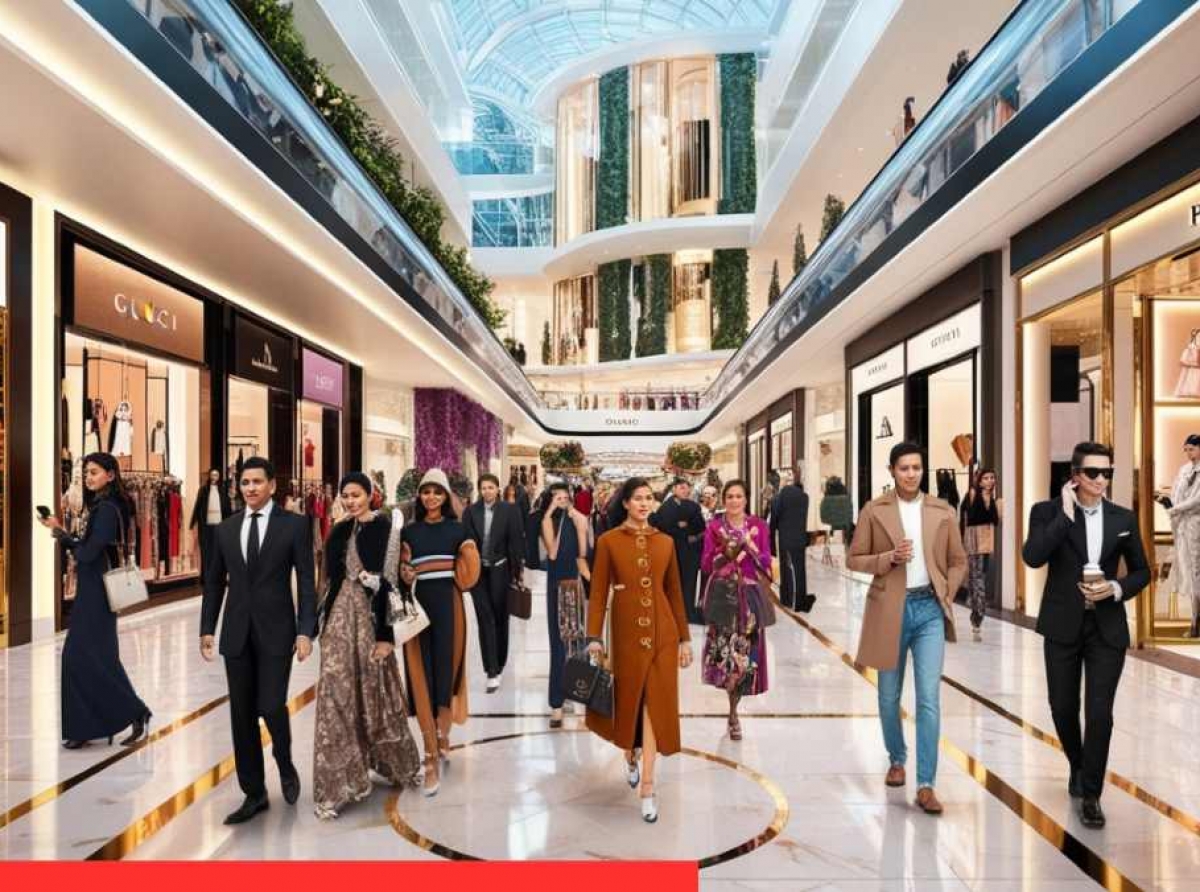
India's organized retail market is witnessing one of its strongest growth phases in recent years, with retailers increasing physical store rollouts despite tight availability of premium retail space. The latest ‘Retail Market Beat Report’ for Q2 2026 by Cushman & Wakefield reveals, retail leasing reached 2.4 million sq. ft. during the quarter, a 17.6 per cent year-on-year increase and a 23.2 per cent sequential rise. The momentum reflects growing confidence among retailers, particularly fashion and lifestyle companies, which continue to expand aggressively across metros and other consumption hubs. With cumulative leasing during the first half of 2026 touching 4.35 million sq. ft, retailers are prioritizing speed in securing locations as competition for quality assets intensifies.
The report also indicates that constrained Grade A supply is reshaping expansion strategies, prompting brands to diversify beyond malls into high-street locations rather than delaying store launches.
Malls and high streets share growth story
India's retail leasing activity is no longer driven by malls alone. Instead, retailers are adopting a balanced location strategy as limited premium inventory forces them to look beyond traditional shopping centres. Organized malls accounted for 1.23 million sq. ft, which is 51.3 per cent of total leasing during the quarter and growing 21.9 per cent year-on-year. Main streets followed closely with 1.17 million sq. ft, contributing 48.7 per cent of leasing activity while expanding 13.3 per cent annually.
A major factor behind this trend is the shrinking availability of quality mall space. Grade A mall vacancy declined to just 5 per cent, leaving retailers with limited options for immediate expansion.
Table: Q2 2026 Retail leasing overview
|
Market |
Leasing volume |
Year-on-year growth |
|
Total Leasing Volume |
2.4 mn sq ft |
17.60% |
|
Malls (Organized) |
1.23 mn sq ft |
21.90% |
|
Main Streets |
1.17 mn sq ft |
13.30% |
|
Grade A Mall Vacancy |
5% |
(163 bps decline) |
The narrowing vacancy levels have effectively transformed malls and high streets into complementary channels. While malls remain the preferred destination for flagship stores and premium positioning, high streets are becoming increasingly important for maintaining expansion momentum where quality mall inventory is unavailable.
Domestic fashion brands take the lead
Fashion and apparel remained the single largest occupier segment during the quarter, accounting for 28.2 per cent of all retail leasing activity. Domestic retailers emerged as the principal growth engine, leasing 1.98 million sq. ft. of the total space absorbed during Q2. Their expansion strategies continue to focus on widening physical networks across Tier-I cities while simultaneously entering high-potential Tier-II markets. International retailers, in comparison, accounted for 17.6 per cent of leasing volumes and largely maintained their preference for premium Grade A malls, where store ambience and customer experience align with global brand positioning.
Geographically, activity remained concentrated in India's largest consumption centres. Delhi NCR, Mumbai and Hyderabad together contributed nearly 64 per cent of overall leasing, reflecting retailers' preference for densely populated markets offering stronger purchasing power, higher footfalls and established retail ecosystems.
Expansion models become more flexible
The tightening supply environment is encouraging retailers to rethink traditional location strategies. Rather than relying exclusively on shopping malls, several large domestic apparel companies are adopting a dual-format expansion model. Premium collections and flagship concepts continue to anchor themselves inside Grade A malls, preserving brand visibility and customer experience. Simultaneously, value-fashion formats and mass-market brands are increasingly opening standalone outlets on prominent high streets.
This diversified approach allows retailers to continue network expansion without waiting for new mall developments, while also strengthening visibility across commercial districts where organized retail supply remains limited. The sustained double-digit growth in high-street leasing suggests this strategy is becoming an industry-wide response to constrained supply rather than a temporary adjustment.
New supply may ease pressure
Although current demand continues to outpace available inventory, the supply outlook over the next two years appears considerably stronger. Approximately 12.7 million sq. ft.of organized retail space is expected to enter the market between 2026 and 2028. Of this, nearly 1.6 million sq. ft. is scheduled for delivery during the second half of 2026.
Delhi NCR is expected to account for over half of the upcoming supply, potentially easing pressure in one of India's most competitive retail markets. Until these projects become operational, however, landlords are expected to retain significant negotiating power. Limited vacancy in existing Grade A malls is likely to keep rentals high while reducing incentives and concessions for incoming retailers.
For retailers, the coming supply pipeline offers greater visibility for long-term expansion planning. Yet in the immediate term, the competition for premium retail space is expected to remain intense, particularly among fashion brands seeking strategic locations before the next wave of inventory enters the market.
As India's consumption story continues to strengthen, retail real estate is becoming a strategic differentiator rather than simply an operational requirement. The latest leasing figures suggest that apparel and lifestyle companies are not merely expanding store counts, they are competing for the country's most productive retail destinations to secure future market share in a competitive consumer market.










 Get in Touch!
