
Daily dressing, not weddings, powers India’s ethnic fashion boom
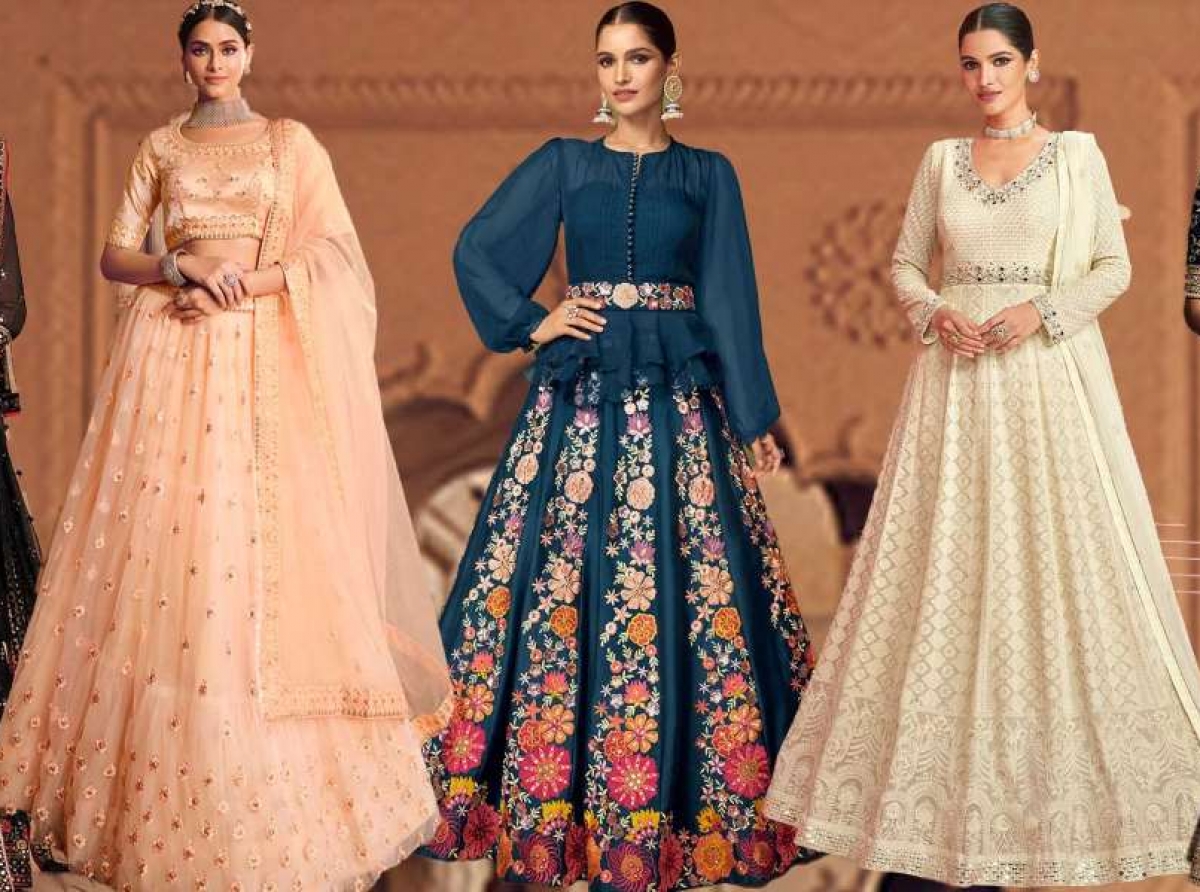
India’s ethnic wear market is now reshaping the country’s broader fashion retail economy. What was once considered a seasonal, wedding-led business has now evolved into a year-round consumption category powered by digital commerce, regional identity, and changing workplace fashion culture.
Fresh market estimates reveal the ethnic and festive wear segment, currently valued at nearly Rs 1.5 lakh crore, is no longer dependent solely on festive spikes or bridal purchases. Instead, online demand has become consistent across the calendar year as consumers integrate ethnic apparel into daily wardrobes, office dressing, and social media-driven styling.
Southern markets redefine demand
Women shoppers are leading this change. Across several high-value regional markets, annual online spending on ethnic apparel has reached unprecedented levels, indicating a deeper monetization opportunity for both digital-first brands and legacy retailers racing to capture localized demand.
Table: Ethnic wear spending overview
|
Spending tier |
Annual spend per woman (Rs) |
Key states/union territories |
Market characteristics |
|
Power Spenders |
Rs 7,000+ |
Delhi, Tamil Nadu, Karnataka, Gujarat, Maharashtra, Telangana |
High digital adoption, premium fabric affinity, daily corporate wear usage. |
|
Active Spenders |
Rs 4,000 – Rs 7,000 |
West Bengal, Chandigarh, Andhra Pradesh, Punjab, Haryana, Rajasthan, Goa, Kerala, HP, Odisha, Uttarakhand |
Steady replacement cycles, strong mid-premium segment traction. |
|
Growing Markets |
Rs 2,000 – Rs 4,000 |
Puducherry, Assam, Bihar, Sikkim, Jharkhand, J&K, Chhattisgarh, Manipur, Nagaland, Arunachal, Mizoram |
High volume potential, shifting from unorganized to organized retail. |
|
Emerging Markets |
Below Rs 2,000 |
Meghalaya, Ladakh, Andaman and Nicobar |
Emerging logistics connectivity, niche local craft demand. |
The data reveals the geographic redistribution of ethnic wear consumption. Delhi continues to lead with annual online spending per woman crossing Rs 10,100, but the strongest momentum is now emerging from southern and western India. Tamil Nadu has reached approximately Rs 9,800 in annual online spend per woman, while Karnataka follows at Rs 9,400. Gujarat, Maharashtra, and Telangana are also showing strong purchasing intensity, reflecting the rapid maturity of regional digital fashion ecosystems.
This shift has important implications for the apparel industry. Historically, northern India dominated ethnic wear consumption due to wedding-driven purchasing patterns. Today, however, regional identity and workplace fashion are creating continuous demand cycles across urban and semi-urban areas nationwide. Retailers are tailoring assortments based on state-specific preferences in silhouettes, fabric weight, color palettes, and climate suitability. Data-driven merchandising strategies are replacing broad national collections, allowing brands to optimize conversion rates while improving inventory efficiency.
Everyday fashion becomes core driver
The biggest commercial change within the category is the transition of ethnic wear from occasional apparel into an everyday lifestyle segment. Corporate fusion dressing, lightweight kurtas, contemporary drapes, and Indo-western separates are now replacing formal western office wear among urban professionals. Localized office celebrations, hybrid work culture, and social media aesthetics have further accelerated repeat purchases.
Women’s apparel continues to dominate the category, accounting for nearly 70 per cent of total ethnic wear revenue. Within this, casual fusion wear and versatile wardrobe pieces are outperforming highly ornate occasion-based garments. Draped silhouettes, fusion dresses, and casual kurtas now represent nearly 35 per cent of category share, underlining the market’s shift toward utility-driven fashion.
“We are witnessing a profound shift where ethnic wear has become an ongoing tool for self-expression,” said Ananya Sen, Chief Merchandising Officer at a leading national apparel conglomerate. “Consumers are no longer waiting for festive seasons to refresh wardrobes. They are purchasing smaller fashion drops throughout the year, blending regional pride with modern functionality.”
This behavioral shift is also improving customer lifetime value for online retailers. Instead of relying on large-ticket seasonal spikes, brands are benefiting from higher-frequency purchasing patterns that create steadier cash flow and stronger retention.
Supply chains face new pressure
Despite the robust growth, scaling ethnic wear businesses online remains operationally complex. Unlike standardized western apparel categories, ethnic fashion requires fragmented sourcing networks, intricate textile supply chains, and constant adaptation to regional design preferences. The wide variation in sizing, embroidery styles, drapes, and fabric textures significantly increases inventory risk.
At the same time, customer acquisition costs are rising sharply as marketplaces become saturated with competing digital labels. This has intensified pressure on brands to improve supply chain agility and reduce dead stock exposure. One digital-first fusion wear startup focused on office ethnic apparel recently faced severe margin erosion after relying on traditional bulk manufacturing cycles. Rapidly shifting consumer preferences in Bengaluru and Hyderabad left the company with nearly 35 per cent unsold inventory by quarter-end, locking working capital into warehousing costs and markdown-heavy liquidation.
To stabilize profit, the company shifted its baseline product lines to an on-demand manufacturing model supported by automated print and embroidery systems. The transition enabled micro-collection launches based on real-time regional search behavior rather than seasonal forecasting. Within two quarters, inventory carrying costs reportedly declined by 42 per cent, while profit margins improved as the brand reduced discount-led inventory clearance.
Agile manufacturing gains ground
The rise of technology-enabled fulfillment networks is now emerging as critical infrastructure for India’s next phase of ethnic fashion growth. Advanced production technologies such as Direct-to-Garment (DTG), Direct-to-Film (DTF), and automated embroidery systems are allowing brands to align manufacturing directly with live digital demand. This significantly reduces upfront fabric commitments and minimizes warehousing liabilities.
The model is particularly effective in India’s fragmented consumption landscape, where demand patterns vary sharply across thousands of pin codes and regional cultural preferences.
Coimbatore-based Qikink has emerged as one of the key beneficiaries of this transition. Established in 2016 under parent company HUEPress, the company operates a 25,000-square-foot manufacturing facility in Tamil Nadu and services more than 25,000 digital brands and creators.
Its print-on-demand infrastructure supports over 2,750 SKUs across apparel, accessories, and home textiles, with nationwide cash-on-delivery integration and dispatch timelines between 48 and 72 hours. By enabling brands to manufacture only after confirmed demand, the platform helps reduce inventory exposure while supporting hyper-localized product experimentation. As Tier-II, III consumers seek culturally rooted yet contemporary fashion, agile supply chain models are becoming essential to long-term profitability.
The next phase of India’s ethnic wear expansion will likely belong to companies capable of balancing regional authenticity with technological efficiency. In a market where identity, commerce, and digital behavior are converging, fashion retailers are no longer merely selling garments they are monetizing everyday cultural expression.










 Get in Touch!
