All Stories

Shoppers Stop trims losses as demand for premium apparel rises

Major retail enterprise Shoppers Stop reported a narrower quarterly net loss, anchored by accelerating consumer demand for high-value fashion and private-label apparel. The retail conglomerate recorded a 10 per cent Y-o-Y revenue expansion to approximately Rs 1,200 crore, supported by an improved product mix where premium apparel and beauty merchandise accounted for 72 per cent of total retail volume. The average transaction value (ATV) grew by 10 per cent, highlighting resilient urban discretionary spending across high-ticket textile categories.

Optimizing working capital and store density

To preserve gross margins amid inflationary store operating costs, the retailer disciplined its inventory management, reducing overall inventory liabilities by Rs 80 crore Y-o-Y. While elevated real estate lease expenses and store refurbishments weighed on profitability, operational cash flows remained stable. Meanwhile, the group’s value apparel arm, Intune, delivered a turn-around with revenues reaching Rs 82 crore, expanding 21 per cent Y-o-Y as fresh inventory cycles stabilized performance.

Executive perspective on retail dynamics

Consistent footfall growth and higher ticket sizes reflect strong underlying demand for curated apparel assortments, states a senior retail equity specialist. By scaling up private-label fashion portfolios alongside premium brand allocations, major department store networks are building defensive margins against rising store operating overheads.

Retail expansion and portfolio structure

Founded in 1991, Shoppers Stop operates over 110 department stores alongside specialized beauty and value fashion formats across India. The company specializes in apparel, cosmetics, and home furnishings through proprietary brands and global distribution partnerships. Targeting net debt reduction, it targets self-funded store additions across Tier-I to Tier-III retail corridors.

Shoppers Stop trims losses as demand for premium apparel rises

Tata Cliq expands omnichannel reach with new campaign

Tata Cliq has officially commenced its flagship 'Moments That Cliq' shopping festival across its digital commerce arms, featuring deep discounts ranging from thirty to 85 per cent. Spanning apparel, luxury goods, beauty, and accessories, the multi-week promotional drive seeks to capture rising consumer demand during the early festive calendar. The enterprise has broadened its brand assortment by onboarding contemporary domestic labels and international luxury houses to cater to evolving style preferences among metropolitan shoppers. The brand has expanded their portfolio by introducing new collections and anticipate robust transaction volumes across fashion, footwear, and lifestyle segments, states Gopal Asthana, CEO, Tata Cliq.

Navigating market competition through value integration

The large-scale retail event addresses ongoing margin pressures within the e-commerce sector by pairing steep inventory markdowns with strategic bank collaborations, including instant discounts on select credit cards to incentivize higher cart values. Industry analysts observe, digital marketplaces must continuously balance aggressive promotional discounting with premium curation to safeguard brand equity and customer retention. By integrating flash sales, weekend rewards, and early access tiers, the platform aims to sustain high user engagement metrics. This calculated commercial strategy enables participating retail partners to clear seasonal inventory efficiently while strengthening consumer acquisition across tier-one and emerging urban markets.

Targeting double-digit growth with brand partnerships

Tata Cliq operates as a premier omnichannel e-commerce marketplace under the Tata Group umbrella, specializing in apparel, luxury goods, footwear, and beauty products. Serving style-conscious consumers nationwide through dedicated fashion and luxury portals, the enterprise targets sustained double-digit growth by leveraging strategic brand partnerships and robust digital retail infrastructure.

Tata Cliq expands omnichannel reach with new campaign

Tech-infused immersive showcases redefine luxury retail at India Couture Week

The traditional high-fashion runway is undergoing a radical transformation as couturiers pivot toward ‘experience-first’ engagement strategies. At India Couture Week 2026, designer Tarun Tahiliani has departed from the conventional catwalk format, opting instead for a multi-sensory, off-site installation titled Navaratna. By utilizing projection mapping and interactive digital environments at Bikaner House, the brand is prioritizing deep consumer connection over fleeting runway glimpses. This structural shift reflects a broader luxury trend where brands are evolving into ‘Experience Hubs,’ moving away from purely transactional retail to cultivate immersive brand storytelling.

Bridging heritage and digital innovation

This evolution in presentation underscores the industry's push to integrate ‘Quiet Tech’ into high-end craftsmanship. For luxury labels, the objective is to enhance the client’s relationship with the garment through invisible, seamless technology rather than replacing the human element. By encouraging guests to engage with the intricate artistry behind each piece in a curated, slow-paced environment, Tahiliani’s latest initiative mirrors a global pivot toward asset preservation and intentional luxury. As retail environments compress their physical footprints to focus on community-centric experiences, such technology-driven narratives serve as a critical differentiator for heritage brands operating in an increasingly polarized luxury market.

‘India Modern’ design aesthetics

Founded in 1995, Tarun Tahiliani is a premier Indian luxury fashion house known for blending traditional textile heritage with modern tailoring. The brand offers an extensive portfolio including bridal couture, occasion-wear, and accessories. Following a strategic acquisition by Aditya Birla Fashion and Retail (ABFRL) in 2024, the label is currently scaling its footprint through a focus on technological integration and ‘India Modern’ design aesthetics, maintaining a strong position among India’s top-tier luxury designers.

Tech-infused immersive showcases redefine luxury retail at India Couture Week

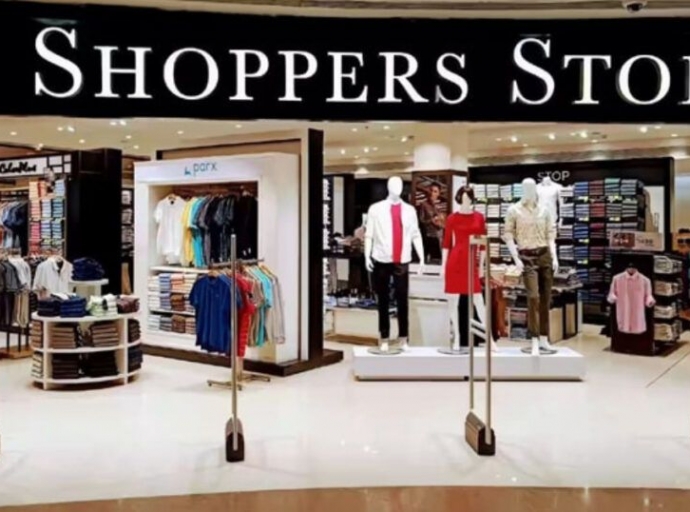
From fast delivery to smart curation, the new rules of fashion Q-commerce

India's quick-commerce (Q-commerce) has entered a new phase where competitive advantage is shifting from delivery speed to inventory intelligence. What began as a grocery-led convenience model has rapidly evolved into a multi-category retail battlefield, with fashion emerging as one of its fastest-growing segments. As platforms promise apparel deliveries in as little as 10 to 60 minutes, experts believe that fulfillment speed alone is becoming commoditized.

The country's e-retail market, currently valued at approximately $65-66 billion in gross merchandise value (GMV), continues to post double-digit growth and is predicted to increase over the next five years. However, while several emerging platforms are betting on ultra-fast deliveries, established marketplaces are using years of supplier relationships, wider assortments and localized inventory planning to strengthen their lead. Rather than competing on minutes saved, the next phase of growth is expected to be determined by how accurately retailers match inventory with neighbourhood-level demand.

A growing digital retail opportunity

The scale of the opportunity remains enormous. Industry projections indicate India's digital commerce will nearly triple over the coming years, supported by rising internet penetration, expanding consumer cohorts and increasing adoption beyond metros.

Table:  India e-retail & quick commerce projections

Category

Current (FY25)

Projected (FY30/FY31)

India Overall E-Retail GMV

$65-66 bn

$170-180 bn

Total Digital Shopper Base

290-300 mn

420-440 mn

Quick Commerce Market Size

$7-8 bn

$60-70 bn

Gen Z Share of E-Retail Orders

40-45%

55%+

Source: Bain & Company E-Retail Report and industry forecasts

The projected increase in Q-commerce into a $60-70 billion market underscores why fashion retailers are racing to establish hyperlocal capabilities before consumer expectations become firmly entrenched.

Scale gives established platforms an edge

For new entrants, building a large catalogue remains one of the biggest challenges. Many startups have adopted conventional marketplace strategies by onboarding widely available brands to rapidly increase SKU counts. However, established e-commerce players already possess extensive supplier ecosystems, making it difficult for newer platforms to differentiate purely through assortment or speed.

A prominent example is Myntra's M-Now, which has expanded its rapid-delivery service across 10 cities, including Tier II markets such as Patna, Jaipur, Lucknow and Ahmedabad. Operating through over 87 dedicated dark stores, the platform offers over one lakh SKUs spanning more than 1,000 domestic and international brands. The model shows how rapid delivery becomes significantly more effective when supported by deep product availability rather than limited inventory.

Within a year of commercialization, M-Now attracted over 35 million unique visitors, achieved almost 20 per cent customer penetration across operational markets and now contributes nearly 10 percent of order volumes in places where the service is active. The product mix extends from women's western wear and beauty products to premium lifestyle categories, with one of its highest-value deliveries being a Dyson hair dryer priced at Rs 55,000, showcasing that consumers are comfortable purchasing even premium products through hyperlocal channels.

Two consumer missions, two business models

Consumer behaviour is also revealing that fashion Q-commerce is not a single homogeneous market. Moodboard Analytics studies show that urban shoppers broadly fall into two distinct segments with very different purchasing motivations. Consumers aged 18-25, largely representing Gen Z, exhibit high-frequency but relatively low average order values. Their purchases are driven by rapidly changing fashion aesthetics, social media trends and impulse buying. Korean-inspired fashion, vintage styles and influencer-led looks dominate purchasing decisions, making agile platforms such as Slikk alongside fast-fashion brands like Newme and Snitch particularly attractive.

The 26-35-plus professional segment behaves differently. Time scarcity rather than price sensitivity shapes purchasing decisions. These shoppers prioritise utility, workwear and occasion-led purchases, gravitating toward established brands including Uniqlo, Mango, Zara and Nicobar through curated platforms such as ZILO. Experts point out that without differentiated merchandise or customer experience, simply promising faster delivery offers little sustainable competitive advantage in fashion retail.

Hyperlocal planning replaces blanket expansion

As competition intensifies, inventory allocation is becoming more neighbourhood-specific. A dark store serving a university district requires a vastly different merchandise mix than one located within a corporate business hub, even if the two are only a few kilometres apart. Retailers are therefore relying more heavily on predictive demand planning and micro-market analytics to determine assortment, pricing and inventory depth at individual fulfilment centres. This localized approach enables retailers to reduce unsold inventory while improving delivery efficiency, particularly during high-demand festive and seasonal shopping periods.

D2C brands bring fresh momentum

Alongside established marketplaces, digitally native brands are reshaping fashion quick commerce. Platforms such as Slikk and KNOT have secured funding to build technology-led localized fulfilment networks. Slikk has invested in micro-warehouses positioned close to urban fashion clusters, enabling 60-minute deliveries for apparel and accessories while also introducing doorstep ‘try-and-buy’ services that replicate aspects of the in-store shopping experience.

Meanwhile, fast-fashion brands including Snitch and Newme are integrating directly with hyperlocal fulfilment systems. Their ability to monitor social media trends in real time and rapidly convert emerging styles into inventory allows them to cater to younger consumers seeking immediate access to the latest fashion. This combination of localized logistics, strong brand partnerships and data-driven merchandising is proving more effective at driving customer retention than speed alone.

Data becomes the competitive advantage

As India's fashion Q-commerce sector matures, retailers are recognising that long-term profits  depends less on shaving delivery minutes and more on deploying smarter inventory. Retail intelligence firms such as Moodboard Analytics are helping brands forecast trends, identify neighbourhood-level demand and optimise sourcing decisions. By combining cultural trend analysis with logistics data, retailers can improve inventory productivity while reducing capital tied up in slow-moving stock.

With India's digital retail market expected to nearly triple by the end of the decade, the next winners are unlikely to be those offering the fastest delivery alone. Instead, success will belong to retailers capable of placing the right product, in the right neighbourhood, at precisely the right moment.

From fast delivery to smart curation, the new rules of fashion Q-commerce

RRVL accelerates digital transformation amid Q1 profit decline

Reliance Retail Ventures (RRVL) has recorded a 14.2 per cent Y-o-Y decline in net profit to Rs 2,806 crore in Q1, FY27, as the conglomerate aggressively prioritizes expansion within the hyper-competitive quick-commerce and digital infrastructure space. While the bottom line faced downward pressure from elevated capital expenditure, the retail giant maintained a growth trajectory in its top-line performance, with gross revenue increasing by 7.4 per cent to reach Rs 90,408 crore.

Strategic capital allocation for market leadership

The moderation in profitability reflects a deliberate corporate strategy to absorb short-term costs in exchange for long-term dominance in digital commerce. Management highlighted, increased spending on dark stores, last-mile logistical networks, and advanced technology integration resulted in an 80-basis-point margin contraction. By scaling these capabilities, Reliance Retail aims to fortify its omnichannel ecosystem, ensuring that its physical footprint of over 20,169 stores effectively supports high-speed, on-demand delivery requirements across the country.

Navigating toward profitable scalability

Despite the immediate financial impact, the company remains confident in its three-year roadmap to double operating EBITDA. Dinesh Taluja, CFO notes, the current investment phase is centered on achieving positive unit economics through improved order density and optimized product assortments. This transition signifies a shift from the previous focus on pure-play physical expansion toward a productivity-led model. As the company continues to leverage its diversified portfolio - spanning grocery, fashion, and electronics - it expects these foundational digital investments to yield superior cash generation and margin expansion as customer engagement and repeat purchase rates mature.

India’s largest retailer, Reliance Retail operates a vast multi-format portfolio covering grocery, electronics, fashion, and luxury. Through 20,169 stores and digital arms like JioMart, it serves millions of consumers nationwide. The company is currently pivoting toward aggressive quick-commerce scaling, targeting a two-fold increase in operating EBITDA by FY29.

RRVL accelerates digital transformation amid Q1 profit decline

Realm by Vaishali elevates eveningwear with latest collection

Luxury eveningwear label Realm by Vaishali has unveiled its latest collection, further solidifying its reputation for merging contemporary glamour with meticulous artisanal craftsmanship. Founded by designer Vaishali Dahiya, the label continues to cater to the modern woman by offering bold, non-traditional silhouettes that transition seamlessly from red-carpet events to exclusive social soirées.

Artistry meets modern silhouette

The new collection showcases a sophisticated interplay of light and texture, highlighted by pieces such as the Serena Crystal Embellished Mini Dress, which utilizes intricate handwork to capture light, and the Marylin Floral Embellished Gown, an ethereal couture piece featuring three-dimensional floral appliqués, pearls, and crystals. By pairing structured tailoring with unconventional embellishments - such as holographic fabrics and delicate petal appliqués—the brand maintains its signature aesthetic of ‘sexy-chic’ elegance. According to Dahiya, the collection is designed for individuals who view fashion as a tool for self-expression, allowing wearers to command attention without compromising on comfort or confidence.

Bridging the luxury gap

Since its inception, Realm by Vaishali has focused on filling a specific void in the Indian market: the scarcity of daring, high-fashion eveningwear that deviates from traditional ethnic norms. By integrating international design sensibilities with fine Indian craftsmanship, the label has become a favored choice among celebrities and fashion influencers. As the brand scales its global visibility, it remains committed to its core philosophy of creating ‘wearable art’ that celebrates the individuality of the modern woman.

Realm by Vaishali is a contemporary luxury eveningwear label founded by Vaishali Dahiya. The brand specializes in avant-garde occasion wear, including gowns, mini dresses, and structured co-ord sets. Currently focused on expanding its presence in both the Indian luxury market and global sourcing circuits, the label is recognized for its blend of bold, modern aesthetics and refined artisanal detailing.

Reliance Retail scales lifestyle portfolio with Ajio Beauty integration

Reliance Retail has officially introduced Ajio Beauty, a specialized digital platform designed to merge its established fashion audience with the specialized personal care expertise of Tira. The strategic integration addresses the fast-evolving demands of urban consumers who increasingly view apparel and cosmetics as a unified lifestyle choice. By incorporating over 1,500 domestic and international brands across mass-market, premium, and luxury tiers, the company aims to capture a larger share of the burgeoning beauty segment. Industry observers note that combining Ajio’s vast digital footprint with targeted beauty curation optimizes cross-selling potential against established digital-first competitors. An Ajio spokesperson emphasizes,  the initiative extends the platform's core fashion philosophy into personal care, transforming routine transactions into trend-led discovery experiences.

Optimizing logistics and quick-commerce integration

To overcome fulfillment challenges in competitive metro markets, the newly launched platform leverages nationwide distribution networks spanning over 19,000 pin codes alongside rapid delivery integration. Eligible metropolitan consumers can access selected cosmetics and skincare lines through Ajio Rush, aligning inventory fulfillment with the accelerating consumer demand for speed and reliability. Financial analysts tracking the conglomerate point out, these infrastructure investments align with executive strategies to improve unit economics and expand dark-store capabilities. As Reliance Retail continues to scale its digital commerce infrastructure following a fiscal year gross revenue of Rs 3.70 lakh crore, the rollout of AJIO Beauty reinforces corporate objectives to secure sustainable margin growth through high-frequency lifestyle categories.

Operating India’s largest omnichannel retail network

Reliance Retail operates India's largest omnichannel retail network across consumer electronics, grocery, and fashion, serving hundreds of millions of registered customers. The enterprise manages an extensive network exceeding 20,000 stores pan-India, spanning value apparel, luxury fashion, beauty, daily groceries, and consumer technology products.

Established as the retail subsidiary of Reliance Industries, the company pioneered organized multi-format retail expansion across Tier-I to Tier-IV cities throughout India. The company’s management is actively scaling online commerce platforms, expanding dark-store infrastructure, and integrating specialized digital verticals to enhance delivery velocity and operational efficiencies.

Reliance Retail scales lifestyle portfolio with Ajio Beauty integration

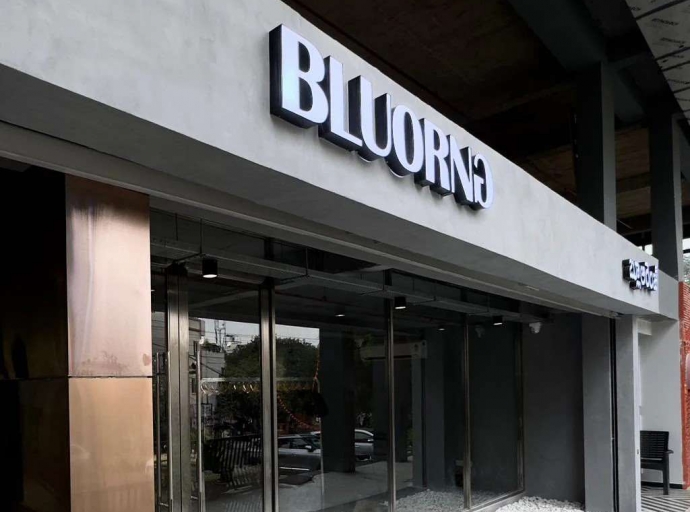
BluOrng accelerates premium streetwear expansion at DLF Mall of India

BluOrng has inaugurated its latest premium storefront at the DLF Mall of India in Noida, a strategic move that fortifies its presence within the National Capital Region’s most prominent high-street retail corridor. By securing a space in the mall’s prestigious International Boulevard, the label is transitioning from its niche, appointment-only origins into a high-visibility, experiential retail powerhouse. This expansion is designed to facilitate deeper physical interactions with its target demographic - affluent Gen Z and millennial style seekers - who increasingly prioritize tactile experiences alongside the brand’s signature digital-first presence.

Scaling scarcity in a high-volume market

The brand’s growth narrative remains anchored in its unconventional ‘no restocks’ business model, which has successfully manufactured a high-demand, scarcity-driven ecosystem. While many domestic competitors chase mass-market volume through aggressive discounting, Bluorng maintains its premium positioning with price points ranging from Rs 4,500 to over Rs 30,000 for specialized pieces. Industry observers note, the company’s ability to sustain this model while scaling its physical footprint to five major urban stores demonstrates a resilient, albeit complex, retail strategy. As the label continues to navigate the constraints of being an entirely bootstrapped enterprise, this Noida flagship serves as a critical test of its ability to scale creative integrity without diluting the brand’s exclusive market identity.

Eyeing long-term international expansion

Founded in 2020 by Pearl Academy alumni Siddhant Sabharwal and Mokam Singh, BluOrng is a luxury streetwear label specializing in oversized fits, high-density cotton basics, and statement outerwear. With a growth strategy focused on controlled distribution in Tier-I cities, the brand continues to target long-term international expansion.

BluOrng accelerates premium streetwear expansion at DLF Mall of India

Myntra scales luxury fragrance footprint with Chloé launch

Myntra Beauty has further solidified its position in the premium retail segment by onboarding the iconic French fragrance house, Chloé, to its Luxe storefront. This strategic inclusion introduces nearly 30 distinct fragrance variants from the brand’s celebrated Eau de Parfum, Nomade, and Lumineuse collections to the Indian market. With price points commencing at INR 9,000, the launch caters to a burgeoning cohort of affluent Indian consumers who view premium fragrances not merely as grooming essentials, but as vital instruments of personal branding and self-expression. By offering these scents in various sizes ranging from 30ml to 100ml, Myntra is effectively addressing both the demand for accessible luxury and the gifting market.

Tapping into a resurgent fragrance economy

The integration of a heritage brand like Chloé underscores a significant shift in India’s beauty landscape, where consumer preferences are migrating toward global luxury standards. Deepak Joshi, Senior Director of Category Management for Beauty and Personal Care at Myntra, notes that today's Indian beauty enthusiasts are highly discerning, globally aware, and increasingly seek premium brands that align with their personal identity. This move is part of Myntra’s broader initiative to bridge the gap between international innovation and local demand. By leveraging its expansive distribution infrastructure, which reaches both major metropolitan hubs and emerging Tier-II and Tier-III markets, Myntra is facilitating a discovery-led shopping experience that enables global luxury houses to attain meaningful scale within the Indian subcontinent.

Focusing on tech-enabled personalization

Myntra is a premier Indian destination for fashion, beauty, and lifestyle e-commerce, offering a curated catalog of global and domestic brands. The platform focuses on tech-enabled discovery, personalization, and rapid delivery. Through its Luxe storefront, Myntra continues to expand its premium beauty portfolio to capture the growing aspirational market.

Myntra scales luxury fragrance footprint with Chloé launch

Cotton Culture strengthens Central India footprint with new Indore showroom

Indore's burgeoning commercial landscape is attracting national apparel players seeking direct proximity to high-intent consumer demographics outside primary metropolitan centers. Women’s ethnic wear specialist Cotton Culture has inaugurated its third exclusive storefront in the city, selecting the high-traffic C21 Mall to anchor its latest physical expansion. According to regional retail strategists, establishing concentrated multi-store presence within thriving Tier-II markets allows homegrown labels to capture robust weekend footfall while lowering customer acquisition costs through localized brand visibility.

Curating breathable collections for modern wardrobes

The newly established retail outlet houses an extensive inventory of lightweight cotton kurtas, coordinated sets, and traditional fusion wear engineered for regional climate requirements and versatile styling habits. By pairing contemporary visual merchandising with inventory management systems that track real-time consumer preferences, the brand ensures optimal stock replenishment across daily wear and festive segments. Market analysts observe, prioritizing skin-friendly, natural fabrics addresses a surging consumer preference for enduring comfort over transient stylistic trends.

Scaling direct-to-consumer infrastructure

This strategic deployment elevates the company's nationwide network past fifty operational touchpoints, combining self-managed boutiques and franchise models to accelerate market penetration. Management emphasizes, controlling the internal manufacturing pipeline from raw textile processing to finished retail delivery provides a distinct competitive margin in maintaining value-driven pricing structures. The expansion plan underscores a broader retail shift toward experiential brick-and-mortar destinations that complement digital e-commerce channels and foster long-term customer loyalty across emerging urban clusters.

Eyeing double-digit revenue growth

Cotton Culture is a prominent Indian fashion and lifestyle brand specializing in comfortable, premium women’s ethnic and fusion wear. Operating key markets across Maharashtra, Madhya Pradesh, and other states through a network of over fifty exclusive stores, the label offers core product lines including kurtas, co-ord sets, and ethnic suits. Backed by strong internal manufacturing infrastructure and aggressive retail expansion plans, the company targets sustained double-digit revenue growth and nationwide accessibility.

Cotton Culture strengthens Central India footprint with new Indore showroom

Titan expands emerging business portfolio as IRTH boosts retail presence

Titan Company is aggressively scaling its emerging business portfolio, with its premium handbag brand, IRTH serving as a critical pillar in its diversification strategy. Following the recent launch at Indore’s Phoenix Citadel Mall, the company is intensifying its physical retail footprint to capture the burgeoning demand within India’s organized accessories market. This expansion aligns with Titan's broader objective to elevate its share in the estimated Rs 6,000 crore handbag segment, of which only a fraction is currently formalized. By implementing a high-touch retail model, IRTH is positioning itself to address the gap between functional utility and premium aesthetics, effectively competing against both established international luxury players and unorganized local alternatives.

Balancing digital ambitions with physical expansion

The brand’s growth trajectory reflects a sophisticated omnichannel evolution. While Titan reported a robust 19 per cent growth in its emerging businesses in Q1, FY27, IRTH is concurrently turning to a hybrid distribution framework. The company is actively transitioning from a company-owned model to a franchise-led strategy to accelerate its scale. According to industry projections, Titan is targeting a transition where approximately 40 per cent of IRTH’s total revenue is derived from digital channels, utilizing platforms like Myntra alongside its proprietary e-commerce portal. This tactical shift allows the brand to optimize capital expenditure - typically ranging from Rs 7,000 to Rs 7,500 per sq ft - while ensuring brand visibility in key metros and high-growth Tier-1 commercial centers.

Industry context and growth outlook

The broader lifestyle sector in India continues to exhibit resilience, with Titan’s total retail network now exceeding 3,680 stores as of June 2026. For the IRTH vertical, the roadmap remains focused on scaling SKU diversity and deepening market penetration. By leveraging the existing trust and operational excellence of the Titan brand architecture, IRTH is poised to meet its long-term revenue targets. As the company continues to refine its premiumization efforts across its entire portfolio - from jewelry to accessories - the focus remains on high-margin segments that resonate with the aspirational shift of the modern Indian consumer, reinforcing the company's status as a dominant multi-category lifestyle conglomerate.

Specialist of women’s handbags and accessories

IRTH is a premium lifestyle brand under Titan Company Limited, specializing in thoughtfully designed women’s handbags and functional accessories. Launched in 2022 to penetrate the fragmented accessories market, the brand offers modular travel gear and professional totes. With a heavy focus on omnichannel growth, IRTH targets a substantial revenue contribution within Titan’s emerging portfolio, supported by both physical franchise expansion and digital-first sales strategies.

Titan expands emerging business portfolio as IRTH boosts retail presence

Latest Publications

Image

Join Our Group

Join Our Group