
H&M India optimizes portfolio with launch of new high-touch retail format
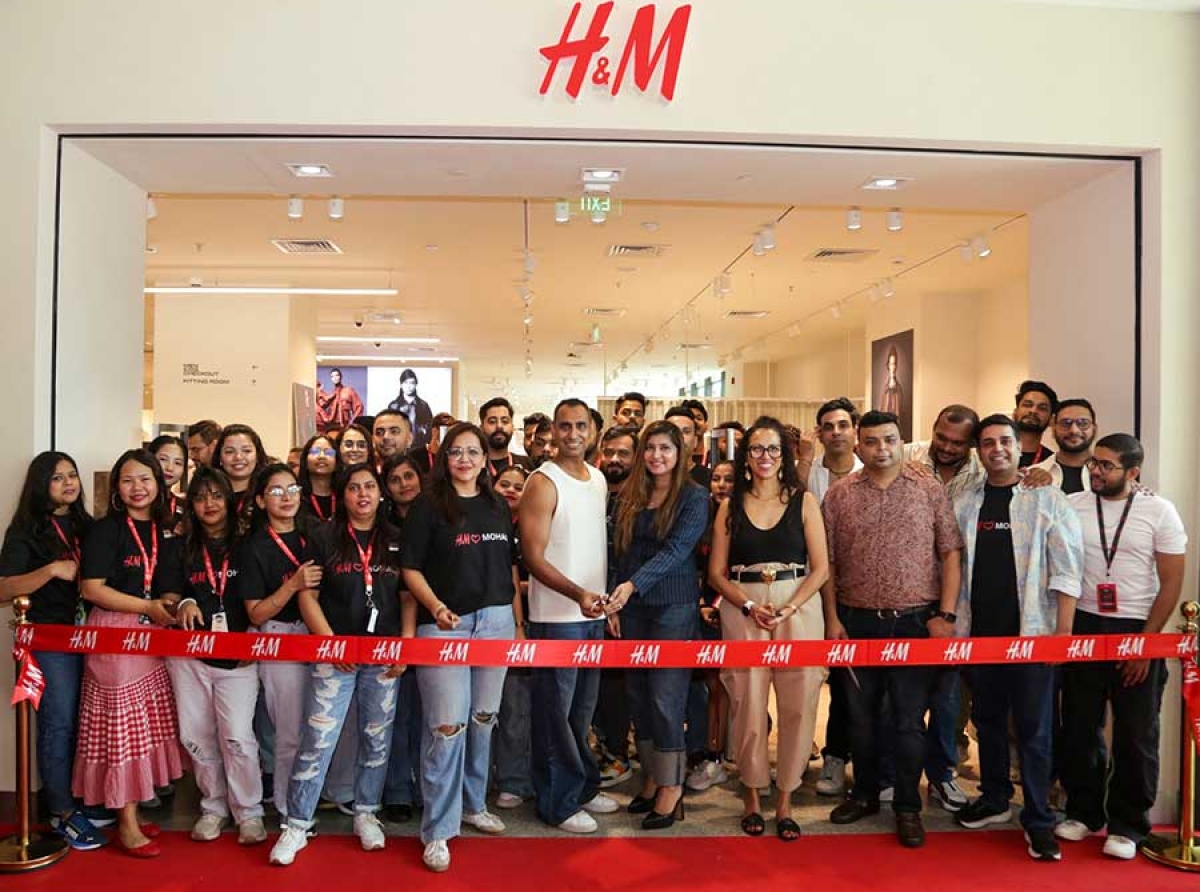
14 March 2026, Mumbai
The inauguration of H&M’s 69th Indian outlet at Orion Mall, Bengaluru, signals a tactical shift toward high-density retail optimization within Tier-1 markets. As India’s organized apparel segment is projected to grow at a CAGR of 10 per cent through 2026, the Swedish retailer is increasingly prioritizing multi-category formats that integrate womenswear, menswear, and the high-growth H&M Beauty line. This 7,500 sq ft facility represents a commitment to physical touchpoints that complement a robust digital presence. Helena Kuylenstierna, Director, H&M India, indicates, the Bengaluru expansion is driven by the city’s unique position as a center for evolving fashion culture and high consumer individuality. This localized density - marking the brand’s eighth store in the city - allows for a more responsive supply chain and localized inventory management, reducing the logistical friction often associated with pan-India distribution.
Premiumization and sustainability amidst escalating retail competition
H&M’s continued footprint expansion occurs as the brand maneuvers through a competitive landscape increasingly defined by ‘premiumization.’ By introducing collections focused on relaxed tailoring and elevated neutrals, the retailer is moving beyond basic fast-fashion to capture a more sophisticated demographic that seeks longevity in design. Despite global raw material volatility and rising operational costs in prime commercial real estate, the brand maintains its ‘fashion and quality at the best price’ mandate. This strategy is boosted by an omnichannel approach, leveraging partnerships with platforms like Myntra and Ajio to ensure market velocity. The current growth trajectory suggests that H&M is leveraging India’s growing middle-class discretionary spend to offset plateauing growth in traditional Western markets, reinforcing India’s status as a critical engine for the group’s global revenue.
Market position
H&M India operates as a subsidiary of the Swedish Hennes & Mauritz AB, specializing in sustainable, price-sensitive fashion across 31 Indian cities. Following its 2015 market entry, the brand has scaled to 69 stores, targeting aggressive omnichannel growth through native digital platforms and major third-party aggregators to maintain its leadership in the premium casualwear segment.










 Get in Touch!
