
Inventory Divide: Why women’s ethnicwear drives growth, menswear gives stability
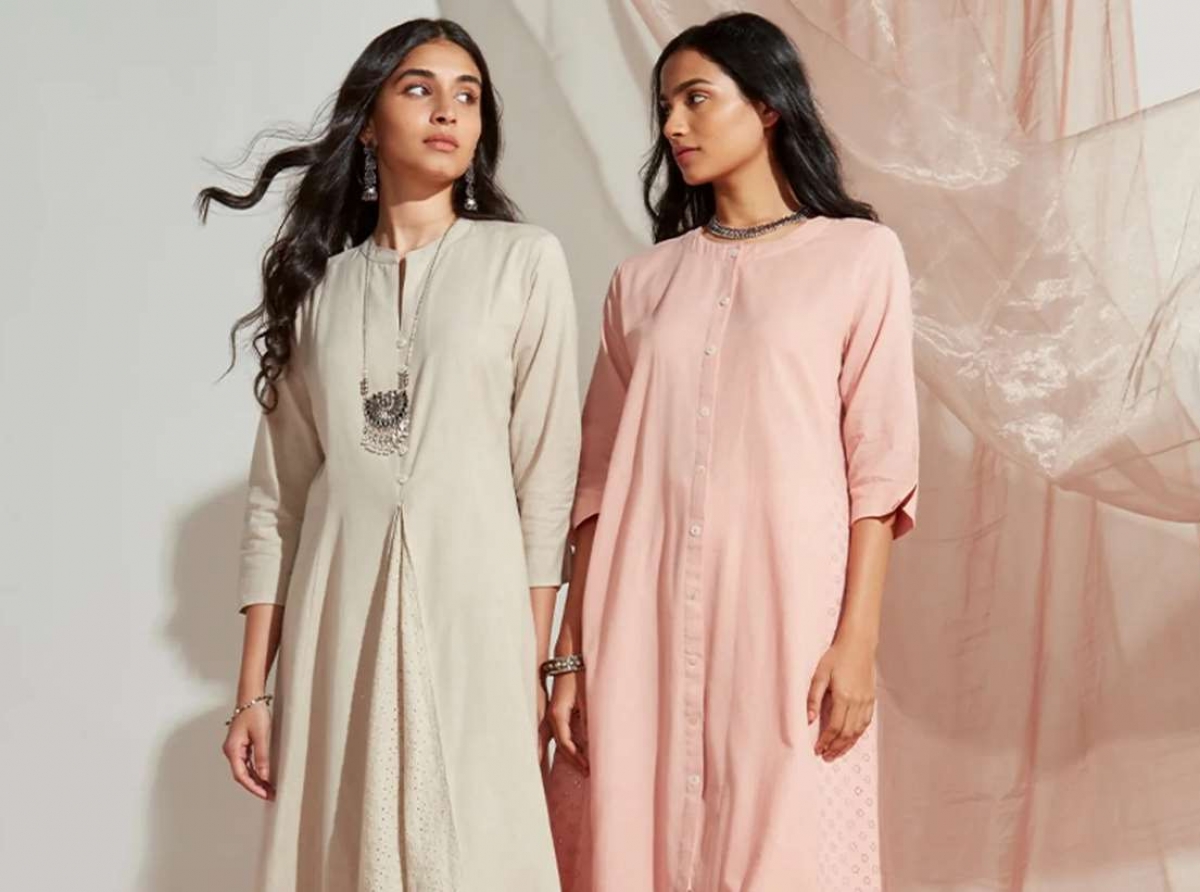
India’s ethnicwear segment’s current growth is being pushed by rising disposable incomes, digital commerce penetration, and the growing cultural relevance of occasion-based fashion. Global ethnicwear market is estimated at $95 billion this year, India remains the undisputed center of production and consumption, accounting for over three-fourths of the South Asian ecosystem. With domestic market estimated at over Rs 1.5 lakh crore, ethnic fashion continues to attract substantial investment from retailers, designers, and private capital.
Yet behind the strong growth narrative lies an operational paradox. The largest and fastest-moving segment, women’s ethnicwear has emerged as one of the most challenging categories to manage profit. At the same time, men's ethnicwear, long viewed as a narrower occasion-led market, is attracting attention for its predictability, inventory discipline, and margin resilience. The difference highlights a growing reality in fashion retail: market size alone no longer determines commercial attractiveness. Inventory efficiency and supply-chain control are becoming equally critical success measures.
Cost of chasing trends
Women's ethnicwear dominates the Indian market, accounting for nearly 87 per cent of category sales. The segment benefits from frequent purchase cycles, a broad assortment of products, and strong engagement across online and offline channels. However, these advantages come with substantial operational complexity.
The rapid rise of social media-led fashion discovery has shortened product lifecycles. Trends that once remained relevant for an entire season can now emerge and disappear within weeks. Celebrity endorsements, influencer content, and digital marketplaces have accelerated consumer expectations, forcing brands to continuously refresh collections. Nearly half of ethnicwear purchases now occur through online channels, increasing the speed at which trends spread. For retailers, this creates an environment where hundreds of stock-keeping units must be managed across multiple designs, fabrics, embellishments, colors, and size combinations.
The result is an inventory challenge unlike most other apparel categories. A design that performs strongly one month may become commercially irrelevant the next, leaving brands with unsold merchandise that often require deep discounting. While consumer demand remains robust, forecasting accuracy has become increasingly difficult, placing pressure on gross margins and working capital. Stakeholders are therefore finding themselves in a constant race between consumer preference shifts and manufacturing lead times. The inability to match production with rapidly evolving demand frequently results in inventory write-downs and markdown-driven sales strategies.
Why menswear is winning on efficiency
In contrast, men's ethnicwear operates under a different business model. Traditional silhouettes such as kurtas, bandhgalas, Nehru jackets, and sherwanis see relatively gradual design evolution. While premium detailing and styling continue to advance, the core product architecture remains stable over long periods. This stability creates an advantage across sourcing, manufacturing, inventory planning, and distribution. Retailers can forecast demand with greater confidence and maintain collections over multiple selling cycles without fear of rapid obsolescence.
Table: Inventory economics across segments
|
Metric |
Women's ethnicwear |
Men's ethnicwear |
|
Market Share (India) |
87% (Dominant Value Driver) |
10-11% (High-Value Niche) |
|
Projected Segment Growth |
8.0% CAGR |
8.5% CAGR (Led by Premium High-Fashion) |
|
Design Lifecycle |
4 to 6 weeks (Highly Compressed) |
Elongated / Seasonal (Evergreen Silhouettes) |
|
Inventory Obsolescence Threat |
High (Driven by rapid style decay) |
Low (Retains commercial value across quarters) |
|
Primary Demand Trigger |
Lifestyle, Impulse, and Fast-Fashion |
Event-led (Weddings, Regional Festivals) |
The category's demand is heavily concentrated around weddings, festive periods, and ceremonial occasions. Although purchase frequency is lower than women's fashion, demand patterns are considerably more predictable. Retailers can align production schedules months in advance, optimize procurement, and achieve stronger full-price sell-through rates.
The ability to carry inventory across multiple quarters without significant value erosion represents a major financial advantage. Shelf life, rather than sales velocity alone, increasingly determines profitability in ethnicwear retail.
Corporate capital backs predictability
The growing appeal of men's ethnicwear is reflected in the strategies of India's leading fashion companies. Vedant Fashions, best known for its flagship brand Manyavar, offers a compelling example of how inventory discipline can create sustainable profitability. By focusing primarily on men's celebration and wedding wear, the company has built one of the industry's strongest operating models.
Its inventory turnover ratio has remained around 2.4 times, while inventory holding periods have been maintained in a relatively narrow range of 41 to 44 days. Such consistency is difficult to achieve in categories characterized by rapid trend volatility. The success of this model has encouraged broader corporate participation.
Tasva, the premium men's ethnicwear venture established by Aditya Birla Fashion and Retail Limited in partnership with designer Tarun Tahiliani, reflects the industry's growing preference for structured growth over trend-driven expansion. Rather than introducing large volumes of seasonal designs, the brand emphasizes refined tailoring, premium craftsmanship, and controlled inventory management. Similar strategies are being pursued by Ethnix by Raymond, which continues to expand its specialized retail network across emerging urban markets. Tier-II and Tier-III cities, which account for a substantial share of ethnicwear consumption, have become central to these expansion plans. Here, demand is closely tied to weddings and cultural celebrations, creating an attractive environment for inventory-efficient retail models.
New retail balancing act
The future of India's ethnicwear industry will likely be shaped by a retailer's ability to balance creativity with operational discipline. Women's ethnicwear remains the industry's largest growth category, offering unmatched revenue potential and consumer engagement. Brands equipped with agile manufacturing systems, advanced analytics, and rapid design capabilities can still capture significant market share.
However, the financial appeal of men's ethnicwear is becoming difficult to ignore. Its predictable demand cycles, lower markdown exposure, and stronger inventory economics provide a level of stability that many retailers now view as strategically valuable.
As competition intensifies and capital efficiency becomes a boardroom priority, the most successful players will not necessarily be those selling the most garments. Instead, they will be the companies that best align product innovation with inventory management, transforming operational discipline into a lasting competitive advantage.









 Get in Touch!
