
India’s Wedding Market: Manyavar, Tasva others take on the master tailor
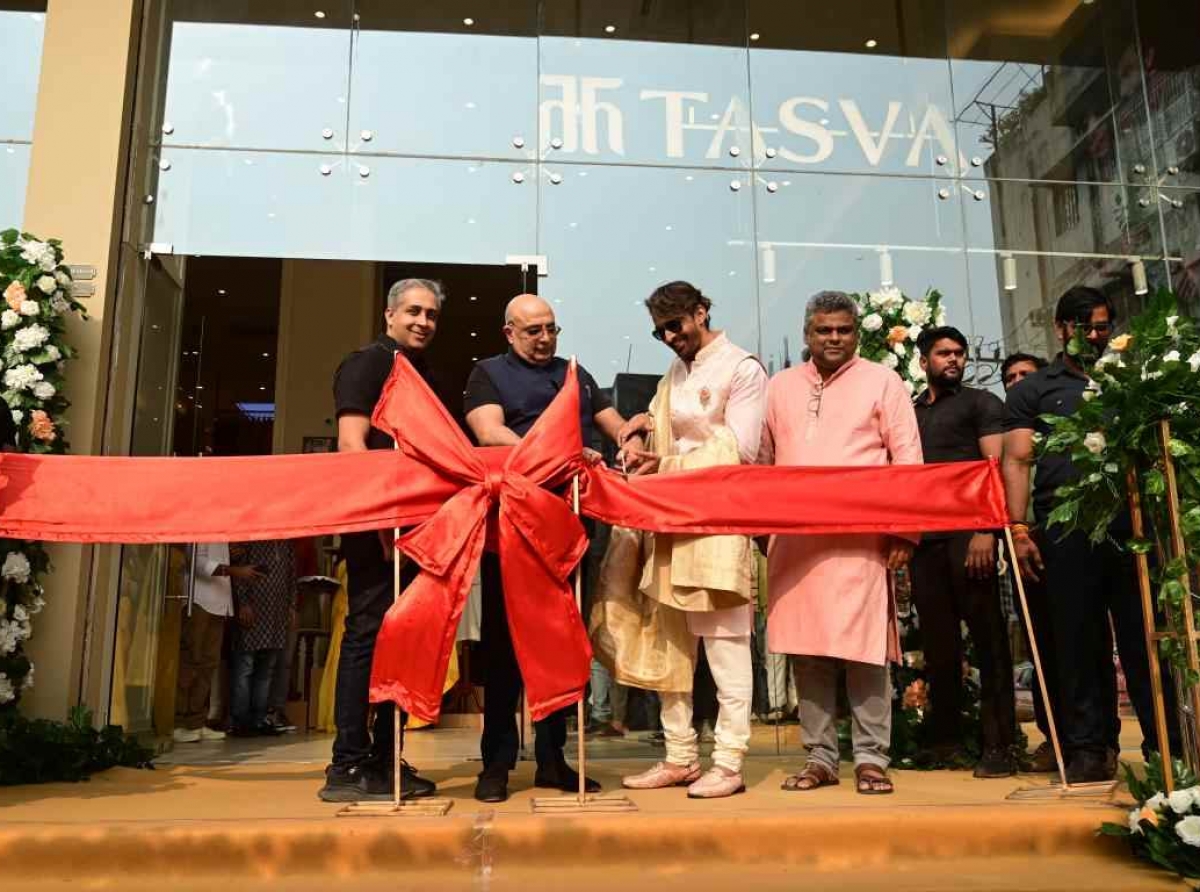
India’s Rs 10 lakh crore-plus wedding economy is becoming the next major battleground for organised apparel retail, as domestic brands attempt to prise consumers away from neighbourhood tailors, regional cloth merchants and unorganised occasion-wear markets. Wedding apparel typically accounts for 10-20 per cent of family wedding allocations, creating a substantial addressable market for branded retailers. The opportunity is particularly visible during the 45-day winter wedding season, when more than 4.5 million ceremonies can generate over Rs 6 lakh crore in economic transactions.
The shift is being driven by younger consumers seeking predictable fits, transparent pricing and celebrity-inspired styling. For organised retailers, however, winning the occasion-wear customer is not simply a matter of opening stores. The fundamental challenge is replicating the flexibility of the master tailor while delivering the scale and consistency of a corporate retail network.
The big spending gap
Wedding consumption varies sharply across markets. Delhi NCR remains a high-volume commercial centre, while Rajasthan’s Jaipur-Udaipur-Jodhpur triangle commands substantially higher per-wedding spending because of destination celebrations and luxury trousseau purchases.
Table: Wedding spending across Indian cities
|
City/urban hub |
Wedding spending |
Average budget (Rs lakh) |
Dominant wedding apparel demand |
|
Delhi NCR |
4.8 Lakh ceremonies; Rs 1.8 lakh Cr trade |
Rs 38 |
Heavy bridal lehengas, raw silk sherwanis, multi-event ensembles |
|
Jaipur |
Primary luxury destination hub |
Rs 73 |
Bespoke royal couture, heritage bandhani, gota-patti embroidery |
|
Bengaluru |
Tech and cosmopolitan hub |
Rs 37 |
Kanjeevaram silks, structured Indo-Western tuxedos, fusion drapes |
|
Hyderabad |
Traditional wealth corridor |
Rs 37 |
Zari-heavy bridal silks, khada dupattas, embellished sherwanis |
|
Mumbai |
Commercial metro hub |
Rs 35 |
Contemporary lightweight couture, cocktail gowns, pastel sherwanis |
|
Tier-II Hubs (Lucknow, Surat, Indore) |
High volume, value-conscious expansion |
Rs 18-24 |
Packaged matching sets, branded celebration kurtas, occasion gift boxes |
This variation is encouraging retailers to build differentiated formats rather than rely on a single national proposition.
Stores become the weapon
Organised players are responding with aggressive store expansion and wider brand portfolios. Vedant Fashions, the company behind Manyavar and Mohey, has built 651 exclusive outlets across India and international markets. Its Q1 FY27 revenue stood at Rs 301 crore, up 7.1 per cent, while its net margin remained at 26.7 per cent.
Aditya Birla Fashion and Retail’s ethnic portfolio spans 672 stores, including brands such as Sabyasachi, Tarun Tahiliani, Tasva and Jaypore. Its ethnic division reported Q1 FY27 revenue of Rs 454 crore, up 4.1 per cent, although new-store investments and lease depreciation are creating pressure on operating economics. Siyaram Silk Mills is approaching the opportunity from another end of the value chain. Its Devo and Zecode networks combine occasion wear with fabric and gifting, with the company planning per cent 160 crore of retail expansion expenditure and per cent 100 crore of capital expenditure in FY27.
Table: Big wedding/celebration brands performance
|
Retail enterprise |
Core celebration brands |
Retail footprint |
Q1 FY27 revenue (YoY) |
Operating performance |
|
Vedant Fashions |
Manyavar, Mohey, Twamev, Mebaz, Diwas |
651 EBOs (incl. 136 SIS & 14 international) |
Rs 301 cr (+7.1%) |
Net margin held at 26.7%; full-price discipline across network |
|
ABFRL (Ethnic Division) |
Sabyasachi, Tarun Tahiliani, Tasva, Jaypore |
672 ethnic stores (1,286 group stores) |
Rs 454 cr (+4.1%) |
Segment dragged by new store capex, high lease depreciation |
|
Siyaram Silk Mills |
Devo, Cavalero, Curated Gifting Packs |
19 Devo outlets; 30 Zecode stores |
Rs 445 cr (+14.4%) |
Standalone PAT doubled to ₹11 Cr; retail rollout costs dilute margin by 150 bps |
|
Raymond Lifestyle |
Raymond Ready-to-Wear, Ethnix by Raymond |
1,500+ multi-format points of sale |
Scaled distribution base |
Monetising bespoke tailoring ecosystems and fabric bundling |
The tailor still has an edge
The biggest disadvantage for corporate retailers lies in production. Wedding apparel remains dependent on fragmented artisan ecosystems for hand-zari, marodi, aari and dabka embroidery. A single lehenga or sherwani can involve fabric suppliers in Varanasi or Surat, embroidery contractors in West Bengal or Bareilly and a local master tailor for final fitting. That complexity becomes particularly acute when wedding dates cluster within a few weeks. Artisan capacity tightens, alteration requirements increase and delivery schedules become harder to control. Elaborate cutting and manual embroidery can also generate fabric wastage of 15-25 per cent, putting additional pressure on margins.
This is where the neighbourhood tailor retains an advantage: flexibility. A customer can change a sleeve, alter a waist, modify embroidery or make a last-minute fitting adjustment without dealing with a corporate supply chain. The opportunity for organised players, therefore, is less about eliminating tailoring and more about industrialising the parts of the experience that consumers value design discovery, sourcing, fitting, delivery and after-sales alterations.
Groomwear opens new avenues
Menswear demonstrates how this transition can happen. For decades, the Indian groom typically bought fabric from a local merchant and commissioned a tailor. Manyavar changed the equation by establishing ready-to-wear sherwanis and occasionwear as a branded category and maintaining a disciplined full-price retail proposition.
Tasva is now targeting the middle of the groomwear market, while Siyaram is approaching the consumer through fabric, ready-made celebration products and gifting. Tasva recorded 35 per cent year-on-year revenue growth in Q1 FY27, highlighting the continuing expansion of branded occasionwear. The competitive battlefield is consequently broadening from the wedding garment itself to the entire purchase journey from fabric and styling to ready-to-wear, alterations and gifting.
Scale meets customisation
For retailers, India’s wedding economy offers a rare combination of high purchase frequency, emotional spending and strong willingness to trade up. But the economics will depend on whether brands can solve the last-mile problem of fit and customisation.
The master tailor has spent decades building that capability at neighbourhood level. Organised retail now has the capital, brands and distribution to challenge that model. The next phase of wedding retail will depend on whether it can combine those advantages with the tailor’s most difficult proposition to replicate: personalised execution.










 Get in Touch!
