
Luxury brands tap Tier II cities through regional digital creators
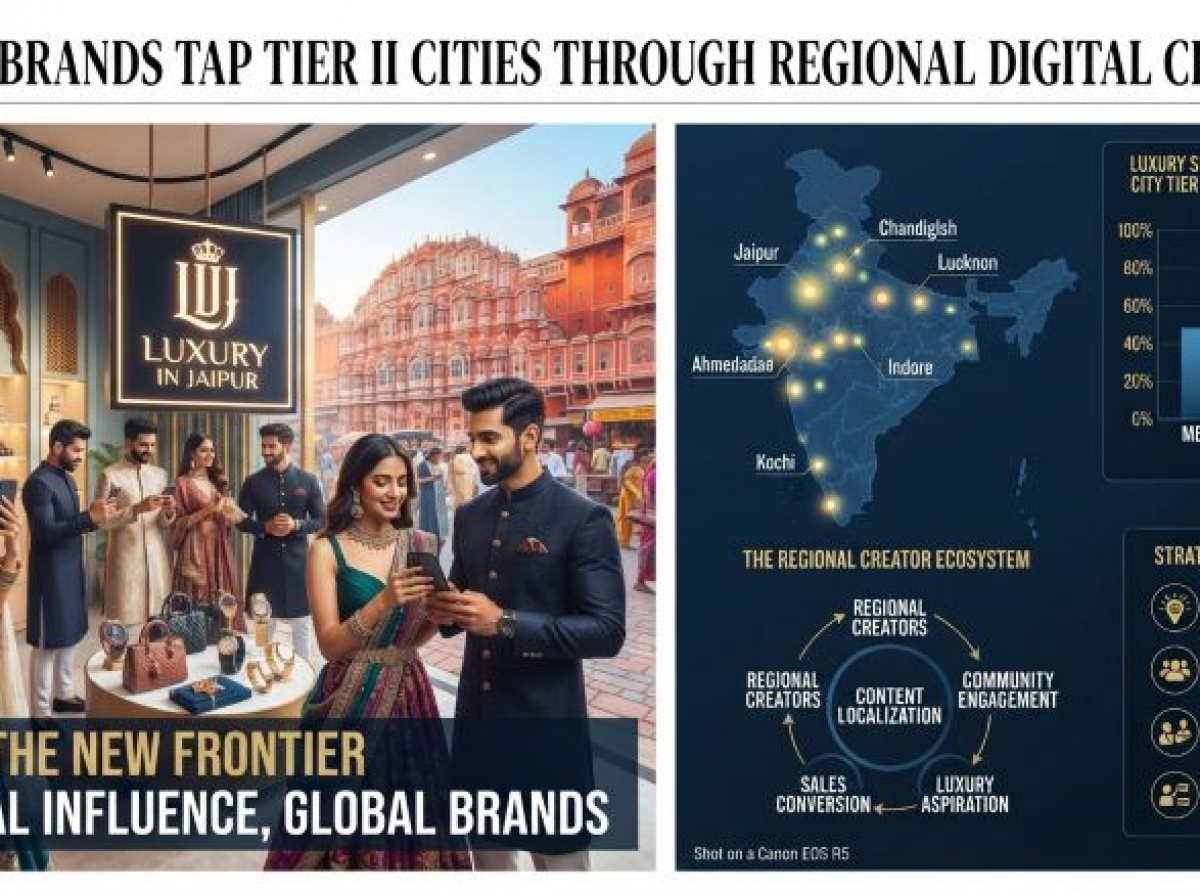
Global luxury brands are shifting their marketing strategies in India, moving beyond Bollywood celebs and domestic advertising campaigns to work with regional digital creators. The move reflects the growing influence of smaller content creators in markets where luxury consumption is expanding beyond Mumbai, Delhi and other major metros.
European luxury houses and domestic fashion groups, including Reliance Brands and Aditya Birla Fashion and Retail (ABFRL), are using regional influencers to reach affluent consumers in Tier II and III cities. These partnerships allow brands to connect with customers through local languages, cultural references and festive buying occasions.
The opportunity is significant. Digital creators currently influence an estimated $350 billion to $400 billion in annual consumer spending in India. Boston Consulting Group projects this figure will exceed $1 trillion by 2030. Meanwhile, the country's formal influencer marketing market is estimated at Rs 3,375 crore to Rs 3,600 crore annually, with broader estimates exceeding Rs 10,000 crore when direct brand-to-creator commerce is included.
Luxury demand spreads
India's luxury market is growing beyond traditional metros. Kearney estimates that the market will grow from $7.7 billion in 2023 to $12 billion by 2028. The number of millionaire households has increased 90 per cent since 2021 to more than 8.71 lakh. Non-metros are becoming an important source of demand. Breitling India estimates that the top eight metros account for only 30 per cent of luxury consumption. Tata CLiQ Luxury reports that around 57 per cent of its business comes from non-metro pin codes, including Hyderabad, Ahmedabad, Chandigarh, Surat and Kochi.
This shift is changing how brands approach customer acquisition. Instead of relying on a single national ambassador, luxury houses are working with regional bridal stylists, fashion educators and lifestyle creators who understand local preferences. Creators can showcase how international accessories, jewellery and clothing fit into regional wardrobes. Pairing a European handbag with a Kanjeevaram sari, for instance, connects global luxury positioning with familiar cultural references.
Digital discovery drives stores
The festive season offers a major commercial opportunity. The period from Navratri to Diwali accounts for an estimated 35-40 per cent of annual discretionary sales in India's fashion and lifestyle segment. Online platforms have become important discovery channels, but physical stores continue to play a major role in luxury purchases. More than 60 per cent of luxury product discovery now takes place online, according to Redseer estimates. However, Euromonitor data indicates that 52 per cent of high-income shoppers prefer completing apparel and jewellery purchases in physical stores.
This creates an online-to-offline sales opportunity. Regional creators can introduce products, generate interest and direct potential customers to boutiques for consultations, trials and purchases. Industry benchmarks indicate that creator marketing generates an average return of Rs 6.20 for every Rs 1 spent. Allocating Rs 5 lakh across 20 regional micro-creators can also deliver four to six times higher engagement than spending the same amount on a single macro-celebrity campaign, according to industry estimates from Kofluence and Qoruz. The figures underline why brands are moving towards smaller, targeted partnerships rather than concentrating budgets on celebrity endorsements.
Brands change campaigns
The shift is visible across jewellery, couture and international luxury categories. Mia by Tanishq partnered digital creator Ankush Bahuguna for a festive campaign that used a structured narrative rather than conventional influencer-led product promotion. Jewellery label Heer by GIVA, meanwhile, used its Heer Se Shuru Diwali campaign to promote self-gifting through relatable stories aimed at young professional women.
Luxury boutiques are also taking regional partnerships offline. Watchmakers and couture labels have organised styling previews and private trunk shows in Hyderabad, Bengaluru and Kolkata, working with local creators to introduce products to potential customers. These initiatives are intended to generate appointments and convert regional interest into boutique sales.
Brand value remains critical
The growing creator economy also has its own challenges for luxury houses. Indian creators with established audiences operate as professional businesses, with production teams and commercial fee structures. Many are moving away from unpaid product placements and gifting arrangements.
This creates a gap between domestic brands, which are more accustomed to performance-based creator partnerships, and global maisons that continue to rely on product loans, gifting and invitations to fashion events. Luxury brands must also protect their positioning. BCG and Altagamma's True-Luxury Global Consumer Insights report indicates that 79 per cent of high-net-worth consumers believe replacing human curation with automated or overly transactional selling can undermine brand prestige.
Consequently, luxury houses need to balance creator-led reach with exclusivity. Excessive affiliate links, discount messaging and overt product promotion could weaken the positioning they are trying to build.
Indian labels gain ground
The growing importance of cultural relevance is also reflected in the revenue performance of domestic designer labels. Sabyasachi reported revenue of Rs 645.37 crore in FY26, while Manish Malhotra recorded Rs 308.3 crore in FY25. These figures compare with Rs 65.4 crore for Gucci India and Rs 257 crore for Christian Dior India in FY25. Reliance Brands, which operates over 935 stores and 762 shop-in-shops, is positioned to use its global brand portfolio and domestic retail network to expand into emerging markets. ABFRL's designer portfolio, including Sabyasachi, Tarun Tahiliani and Masaba, also gives access to consumers seeking Indian luxury and occasionwear.
The trend has implications beyond marketing. As luxury retail expands into new cities, regional creators are becoming an important link between digital discovery and physical retail. For MNC brands entering India, global recognition alone may not be sufficient to secure growth. Building relationships with local audiences, understanding regional consumption patterns and converting creator-led engagement into store visits will determine their ability to capture India's expanding luxury market.









 Get in Touch!

