
Handloom sector expands to establish structured commercial footprints
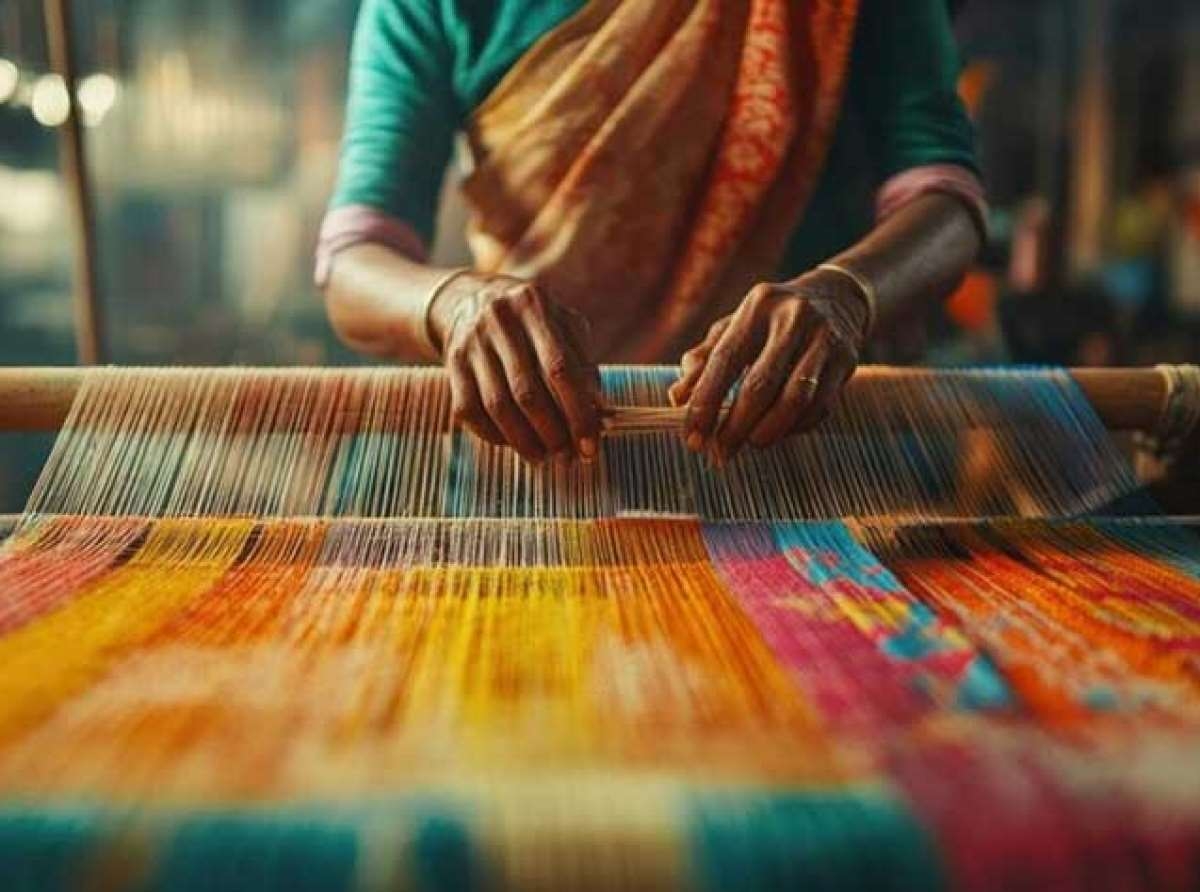
India’s handloom sector is expanding beyond traditional exhibition models to establish structured commercial footprints. With total textile and apparel exports reaching Rs 325,339 crore in FY 2025–26, cotton and handloom fabrications contributed Rs 102,399.7 crore. Initiatives such as the 'Weaves of India' event - hosted by the Office of the Development Commissioner (Handlooms) at the Central Cottage Industries Emporium (CCIE) through August 7, 2026 - catalyze this shift by showcasing 116 regional weaves to urban domestic buyers and international sourcing agents.
Direct procurement mitigates intermediary friction
Despite robust domestic demand, high raw material costs and fragmented supply chains remain structural bottlenecks. To resolve margin compression, CCIE is linking artisan clusters directly with premium apparel brands. Direct sourcing models improve artisan realization while offering brands authentic traceability, notes a Senior Official at the Ministry of Textiles.
B2C scaling strengthens regional clusters
Consider the Pochampally Ikkat cluster in Telangana: direct retail integration helped cooperative units increase annual revenues by 18 per cent through standardized quality control and modernized design palettes. Similar cluster-level interventions across 116 traditional weaves aim to leverage new Free Trade Agreements to scale handloom exports in European and East Asian apparel markets.
Retail facilitation and artisan aggregation
An enterprise under the Ministry of Textiles established in 1952, Central Cottage Industries Emporium (CCIE) aggregates authentic Indian handlooms and handicrafts. It serves domestic luxury consumers and export markets across North America, Europe, and Asia. CCIE seeks to expand digital B2C platforms and rural cooperative networks, targeting steady revenue growth driven by premium handcrafted apparel demand.











 Get in Touch!
