All Stories

Desigual adopts digital-first model to expand footprint in India

Barcelona-based fashion house Desigual is expanding its retail footprint in India via a digital-first model. The company is introducing a comprehensive apparel collection on Myntra following the successful onboarding of the brand’s accessory line last year on the platform. By integrating 90 distinct apparel styles - ranging from signature patchwork dresses to statement outerwear - the brand is positioning itself within India’s ‘accessible luxury’ segment, a retail category increasingly sought after by millennials and Gen Z consumers who prioritize distinctive design over mass-market uniformity.

Capturing demand beyond metros

The strategic decision to scale via a digital-first model highlights a broader shift in Indian consumer behavior, where interest in premium global fashion is no longer confined to top-tier metropolitan hubs. Recent internal data indicates, Tier II cities now account for 45 per cent of demand for international brands on Myntra, signaling a vast, underserved market for brands that offer strong visual identity at accessible price points. This expansion allows Desigual to leverage Myntra’s base of over 75 million monthly active users, bypassing the heavy capital expenditure associated with traditional physical retail expansion while maintaining a high-visibility connection with digitally engaged shoppers.

Operational resilience and market re-entry

For Desigual, this partnership represents a calculated and decisive re-entry after previous attempts to establish a physical retail network via local partners in 2019. By opting for a marketplace-led approach in 2026, the brand minimizes inventory risk and capitalizes on the platform’s established supply chain and logistical infrastructure. Venu Nair, CEO-Strategic Partnerships and Omnichannel, Myntra, notes. the brand’s ability to tap into the burgeoning appetite for design-led fashion makes it a perfect fit for the platform’s portfolio of over 500 international labels. Looking ahead, Desigual intends to introduce seasonal drops throughout the year to maintain consumer interest and refine its product-market fit within the highly competitive Indian lifestyle landscape.

Founded in Barcelona in 1984, Desigual is a globally recognized fashion brand known for vibrant colors, artistic patchwork, and asymmetrical silhouettes. Catering primarily to younger, expressive consumers, the brand operates in nearly 90 countries. Its current strategy focuses on international expansion via digital-first partnerships and high-margin, expressive apparel categories.

Desigual adopts digital-first model to expand footprint in India

Siyaram Silk Mills strengthens operations with land monetization and expansion

Siyaram Silk Mills is accelerating its domestic retail footprint while simultaneously strengthening its balance sheet through a strategic land monetization initiative in Dombivli. The company has finalized plans to leverage its significant real estate holdings to fund a broad expansion of its 'Siyaram’s Shop' network, aiming to penetrate high-growth Tier-II and Tier-III urban markets. By converting underutilized industrial assets into liquidity, the firm seeks to sustain its capital expenditure requirements without relying heavily on external debt, ensuring a robust cash position as it scales its storefront presence across India.

Refining market positioning for mass-premium growth

This expansion strategy aligns with a shift toward experiential retail, focusing on showrooms that offer a curated selection of its diverse apparel and fabric portfolio. Management emphasizes that this rollout is not merely about increasing outlet numbers but enhancing brand visibility in emerging consumption hubs where demand for organized retail is intensifying. Industry observers note that this dual approach—monetizing non-core assets to fuel core business growth - provides a cushion against inflationary pressures on textile raw materials. The move reflects a broader industry trend where established Indian textile manufacturers are streamlining property portfolios to consolidate their position in the rapidly evolving organized fashion landscape.

Strategic portfolio development

Siyaram Silk Mills is a prominent Indian textile manufacturer specializing in high-quality fabrics, ready-made garments, and home furnishings. With a strong presence in the domestic mid-to-premium segment, the company operates an extensive distribution network and retail chain. It continues to prioritize brand diversification and operational scalability to capture long-term value.

Siyaram Silk Mills strengthens operations with land monetization and expansion

Lululemon expands global footprint with debut store launch in India

Lululemon is formalizing its entry into the Indian market this autumn, establishing its inaugural retail presence at DLF Promenade, New Delhi. This development is executed through a strategic franchise agreement with Tata Cliq, marking a significant evolution in the Canadian activewear giant’s international growth roadmap. Beyond the flagship physical location, the brand will launch on the Tata Cliq Luxury and Tata Cliq Fashion platforms, facilitating a comprehensive omnichannel reach. This initiative aligns with Lululemon’s broader 2026 expansion strategy, which has seen the brand enter six new markets this year alone - the highest count in its corporate history.

Capturing the premium performance segment

The move addresses a rising demand among Indian consumers for high-performance apparel that integrates technical fabric innovation with contemporary aesthetic sensibilities. The brand has been working closely with Tata Cliq to build relationships within New Delhi’s fitness community, as it sees a vibrant, active consumer base seeking premium, high-utility products, notes Sarah Clark, Senior Vice President-EMEA, Lululemon. By positioning the store as a community hub for wellness practitioners and athletes, the brand aims to replicate its successful global model of embedding itself into local health ecosystems. According to Gopal Asthana, CEO, Tata Cliq this partnership is critical in catering to an increasingly lifestyle-conscious demographic that prioritizes functionality alongside premium design, further solidifying the platform's commitment to scaling its luxury and activewear categories.

Lululemon is a premium technical athletic apparel company designing products for yoga, running, training, and everyday movement. Headquartered in Canada, the brand maintains a global presence across over 30 markets. Its ‘Power of Three ×2’ growth strategy emphasizes product innovation, guest experience, and market expansion to drive long-term financial performance.

Lululemon expands global footprint with debut store launch in India

Swara Baby Products to boost production capacity with Rs 1,000 crore investments

A subsidiary of the promiment retail platform, FirstCry, Swara Baby Products, a pivotal contract manufacturer in the hygiene sector, prepares to boost its manufacturing infrastructure and accelerate inorganic growth with an investment of Rs 1,000 crore.

Strengthening operational synergy

According to recent regulatory filings, Swara Baby reported a robust 23.4 per cent Y-o-Y revenue increase to Rs 1,163.9 crore for FY26, with a net profit of Rs 95.6 crore. This performance highlights the success of its contract manufacturing model, which supplies essential baby and adult hygiene products. The capital injection is slated to fund a new facility in Pithampur and assist in debt reduction, reinforcing the firm’s competitive moat in a sector characterized by high volume and intense pricing rivalry.

Balancing growth with market pressures

For FirstCry, the move is a tactical calibration within a broader omnichannel strategy. While the parent company has navigated margin headwinds - partly due to competitive intensity in the diapering category - it continues to push for operational efficiency. The company’s consolidated revenue for Q1 FY26 grew by 12 per cent to Rs 2,163 crore, with a notable narrowing of its net losses. Analysts observe, while FirstCry’s stock has faced short-term pressure, the decision to maintain Swara Baby as a subsidiary indicates a long-term commitment to controlling its end-to-end product ecosystem, from manufacturing to last-mile retail delivery.

Operating India’s largest omnichannel retailer for mother and kids

Brainbees Solutions operates FirstCry, India’s largest omnichannel retailer for mothers, babies, and kids. The company offers a vast selection of apparel, nursery products, and hygiene items across thousands of brands and private labels. Focused on Tier-II and Tier-III expansion, it balances a extensive physical store network with digital platforms. Following its 2024 IPO, the firm continues to prioritize market share gains and supply chain integration as central pillars of its financial growth trajectory.

Swara Baby Products to boost production capacity with Rs 1,000 crore investments

Sparx expands footwear portfolio with chunky sole sandals

A flagship label under Relaxo Footwears, Footwear brand Sparx has expanded its youth-oriented collection with the launch of Chunky Sole Sandals. This addition underscores a broader shift in the brand’s design philosophy, transitioning from purely functional athleisure toward high-fashion aesthetics that align with emerging global trends. By incorporating sculpted, elevated soles alongside durable construction, the collection caters to a younger demographic that increasingly views footwear as a central component of their personal style. This rollout is supported by a marketing campaign featuring actor Chunky Pandey, utilizing a play on words to maximize digital engagement and reinforce the brand's contemporary positioning.

Strategic market positioning and growth

This launch follows the successful ‘Summer Swag’ campaign, which introduced shoe-style sandals earlier this year to address the growing consumer appetite for multi-purpose footwear. These initiatives are integral to Relaxo Footwears’ broader strategy of strengthening its premium and semi-premium segments while maintaining a robust presence in the value-driven casual market. Financial indicators reflect the efficacy of this approach; the company reported a healthy 16.5 per cent Y-o-Y growth in EBITDA in Q4. FY26 boosted by optimized operational efficiency and successful product mix adjustments. As the brand scales its footprint across India’s semi-urban markets, it continues to refine its design-led innovation to capture market share in an increasingly competitive landscape.

Offering affordable and innovative footwear

Incorporated in 1984, Relaxo Footwears is India’s largest footwear manufacturer, offering a diverse range of slippers, sandals, and sports shoes. Its portfolio - led by the Sparx, Relaxo, Flite, and Bahamas brands - is supported by a nationwide distribution network and over 420 EBOs, focusing on quality, affordability, and market-responsive innovation.

Sparx expands footwear portfolio with chunky sole sandals

Nykaa Fashion accelerates with projected 30% net revenue growth in Q1, FY26

SN E-Commerce Ventures, the parent company of Nykaa, has reported a robust start to fiscal year 2027, projecting a consolidated net revenue growth of nearly 30 per cent for the first quarter ending June 30, 2026. This performance is anchored by a striking acceleration in the company's fashion vertical, which is expected to see a 50per cent surge in net revenue. This trajectory represents a significant upgrade from previous quarters, driven by an expanded brand portfolio and deeper market penetration. Nykaa’s management noted, the segment benefited from enhanced conversion efficiency - the ‘GMV-to-NSV funnel’ - which minimized operational leakages and bolstered the bottom line.

Omnichannel strategy and market positioning

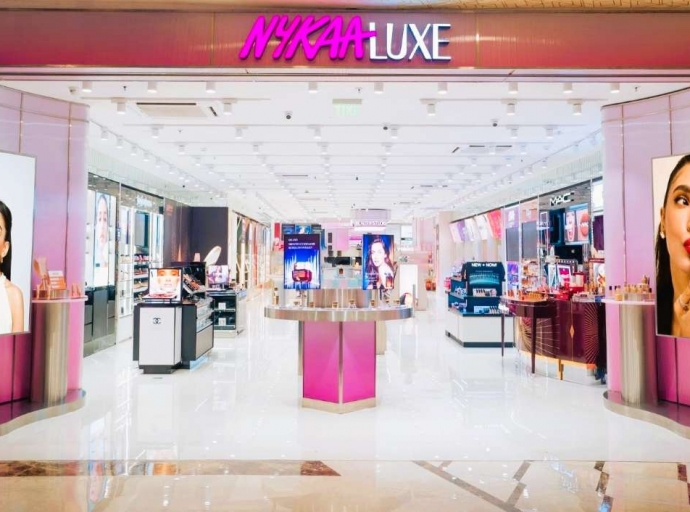
While the fashion vertical leads the growth charge, the legacy beauty business remains a steady performance engine, with net revenue and net sales value (NSV) projected to grow in the late-twenties percentage range. The company’s strategic expansion into physical retail has been instrumental in this success; by June 2026, Nykaa had scaled its network to 324 brick-and-mortar stores. According to recent market analysis, these physical touchpoints are functioning as essential "experience hubs" that effectively reduce customer acquisition costs (CAC) and strengthen long-term brand loyalty. By balancing high-frequency beauty sales with the rapid-growth potential of its fashion category, Nykaa is successfully insulating its portfolio against the volatility currently observed in the broader Indian discretionary retail sector.

Nykaa (FSN E-Commerce Ventures) is a leading Indian multi-brand beauty and fashion retailer. Operating online and through 324 physical stores, it offers premium beauty, apparel, and home goods. Following a threefold net profit increase in FY26, the company is prioritizing omnichannel scale and high-growth category expansion to drive margins.

Nykaa Fashion accelerates with projected 30% net revenue growth in Q1, FY26

Reliance leverages Paris Haute Couture Week to advance global circularity

The R|Elan Circular Design Challenge (CDC), a signature sustainability initiative by Reliance Industries, recently reached a high-profile milestone at Le Meurice, Paris. On the eve of Paris Haute Couture Week, the platform convened a distinguished European Jury to evaluate semi-finalists focused on regenerative design. Held under the aegis of the India–France Year of Innovation 2026, this event signifies a strategic expansion of Reliance’s sustainability footprint, moving beyond domestic borders to integrate with the epicenter of global luxury. By collaborating with the Fédération de la Haute Couture et de la Mode, Reliance is effectively positioning its proprietary textile technology and circularity mandates within the upper echelons of European high fashion.

Scaling responsible design as a global commodity

The competition serves as a critical incubator for emerging talent, with the French-based label Yoshita 1967 emerging as the European finalist. This selection underscores a shifting retail narrative where artisan-led production and deadstock upcycling are increasingly viewed as high-value assets rather than secondary practices. Following the European stage, the initiative is slated to continue its selection process across the United Kingdom, Asia-Pacific, and India. The regional finalists will eventually converge for a Grand Jury at the United Nations Headquarters in New Delhi, culminating in a final showcase at Lakmé Fashion Week x FDCI in October. This structured roadmap underscores a broader corporate ambition: to formalize circular fashion as a scalable, industry-standard business model capable of competing with traditional high-street luxury.

R|Elan and the Circular Design Challenge

R|Elan is a textile innovation brand under Reliance Industries that engineers high-performance fabrics. Launched in 2018, the Circular Design Challenge is a global platform fostering waste-reduction and sustainable design. It focuses on textile circularity, material innovation, and scalability, with upcoming showcases planned for Lakmé Fashion Week in India.

Reliance leverages Paris Haute Couture Week to advance global circularity

Raymond departs from traditional retail with appointment of new CEO - Defense

In a move signaling a radical departure from its traditional retail legacy, Raymond Limited has appointed Bhanu Prakash Srivastava, former Chairman and Managing Director, Bharat Electronics Limited (BEL) as the new Chief Executive Officer (CEO) of its Defense business. This appointment serves as a definitive marker of the conglomerate's transition from a textile-centric retail entity into a sophisticated engineering and aerospace powerhouse. By recruiting an executive who oversaw a threefold increase in BEL’s market capitalization - reaching Rs 1.5 lakh crore - Raymond is clearly prioritizing the high-margin, complex requirements of modern military manufacturing over its conventional consumer-facing apparel operations.

Engineering a new corporate identity

The integration of Srivastava follows a period of structural recalibration, notably the 2024 demerger of the company's legacy lifestyle and apparel divisions. While Raymond once relied on the predictable cash flows of premium suiting and retail, its current financial roadmap is pinned to the scalability of its engineering arm. This shift is reinforced by the strategic acquisition of Maini Precision Products, which positions the firm to compete in the demanding aerospace and defence electronics market. Industry analysts note that this transformation is essential, as the company seeks to move beyond basic precision tools toward integrated systems, radar technology, and software-led military solutions. The objective is to capitalize on the government’s Atmanirbhar Bharat initiative, which provides lucrative, long-term contracts for domestic indigenous technology, effectively hedging against the cyclical volatility historically associated with the retail apparel sector.

A diversified conglomerate

Established in 1925, Raymond was historically synonymous with global textile and apparel manufacturing. Following the 2024 demerger, the company has repositioned itself as a diversified conglomerate focused primarily on real estate development and high-precision engineering. Its growth strategy emphasizes expanding market share in defence, aerospace, and EV components.

Raymond departs from traditional retail with appointment of new CEO - Defense

Madame strengthens NCR footprint with retail expansion

Women’s fashion leader Madame has strengthened its foothold in the NCR with the opening of its fourth exclusive store in Gurugram, situated at the high-traffic Felix Plaza. This latest addition represents more than a mere increment in store count; it underscores the brand’s calculated commitment to securing prime real estate in high-consumption urban corridors. By positioning its newest outlet in a major commercial and residential hub, Madame is aligning its physical footprint with the concentrated demand from a fashion-conscious demographic that prioritizes proximity and elevated brand experiences.

Refer

Elevating the omnichannel ecosystem

The expansion into Felix Plaza is a hallmark of the company’s current operational philosophy, which favors high-performance locations over rapid, indiscriminate scaling. While the brand maintains a robust presence across India, its leadership is increasingly prioritizing a model that integrates physical retail with a seamless omnichannel interface. By leveraging data-driven site selection, the brand ensures that each new outlet functions as a key touchpoint within a broader network, supporting both localized sales and the fulfillment needs of its digital customers. This approach is instrumental in maintaining the brand's visibility while navigating the rising costs of premium urban retail spaces.

Balancing profitability and portfolio growth

Beyond the physical store, Madame is actively refining its revenue mix to bolster financial performance. The company has publicly declared an objective to increase its earnings before interest, taxes, depreciation, and amortization (EBITDA) margin to over 15 percent in the near term. To achieve this, the brand is aggressively diversifying its product assortment, with plans to elevate the share of non-apparel categories, such as accessories and fragrances, to 18 percent of total sales within the next three years. This shift towards a more comprehensive "lifestyle" portfolio is intended to insulate the business from the volatility of seasonal apparel demand and enhance the overall value proposition of its retail environment.

Founded in 1993, Madame is a prominent Indian women’s western-wear brand owned by the Ludhiana-based Jain Amar Group. The company specializes in contemporary fashion, including dresses, denim, and occasion wear. Operating through over 150 exclusive stores and 500 retail touchpoints nationwide, it is currently focusing on scaling its non-apparel segment and enhancing omnichannel efficiency.

Madame strengthens NCR footprint with retail expansion

Candere by Kalyan expands retail footprint with 125th store launch in Virar

Candere by Kalyan Jewellers has reached a significant operational milestone with the inauguration of its 125th retail outlet in Virar, Maharashtra. Situated on Turner Road in the burgeoning suburb of Virar West, the new facility underscores the brand’s strategic commitment to capture the rising demand within the Mumbai Metropolitan Region (MMR). This expansion is a part of a broader, aggressive growth roadmap that saw the digital-first brand achieve a remarkable 112 per cent Y-o-Y revenue growth during the Q1, FY27, signaling a successful transition toward an integrated omnichannel retail ecosystem.

Strengthening the omnichannel advantage

The brand’s expansion strategy is fundamentally anchored in blending the convenience of e-commerce with the personalized service of physical showrooms. By establishing a presence in rapidly developing residential hubs like Virar, Candere effectively bridges the gap between its online reach and local consumer accessibility. Industry analysts note, this approach allows the retailer to capture a younger, style-conscious demographic, particularly Gen Z and working professionals, who prioritize both transparency and trend-led designs. With jewelry collections starting at accessible price points of Rs 10,000, the brand is effectively competing with both traditional players and emerging lifestyle retailers. Accompanied by promotional incentives such as a flat 25 per cent reduction on making charges and stone values, the Virar launch further illustrates the brand’s focus on sustaining high footfall and customer engagement during the early phases of showroom operation.

Scaling for national leadership

Looking ahead, the parent entity, Kalyan Jewelers, remains steadfast in its objective to solidify its dominance in the organized jewelry market. Following the full acquisition of its subsidiary Candere in June 2026, the management is prioritizing capital deployment toward showroom scaling. Having already added 17 new showrooms across its diverse formats in the most recent quarter, the company is front-loading its expansion targets for the remainder of the fiscal year.

This growth is supported by a robust franchisee-owned, company-operated (FOCO) model, which ensures rapid geographic penetration while maintaining stringent quality and service standards. As the brand scales, the integration of data-driven inventory management and localized product curation - such as the recent focus on versatile, lightweight designs - remains the primary driver of its long-term financial viability and competitive edge.

An omnichannel jewelry retailer, Candere specializes in lightweight, contemporary gold and diamond pieces. Targeting Gen Z and young professionals, its portfolio spans everyday wear to gifting categories. As a wholly-owned subsidiary of Kalyan Jewelers, it utilizes a digital-first approach to drive national expansion, focusing on rapid physical network growth and a seamless online-to-offline shopping experience. Historically rooted in digital retail, the brand has successfully pivoted toward a high-growth brick-and-mortar strategy.

Candere by Kalyan expands retail footprint with 125th store launch in Virar

Texcyle expands ethical hosiery footprint across domestic market

Accelerating its commercial presence, Rajasthan-based sustainable hosiery manufacturer Texcyle is transitioning from a localized producer into a comprehensive pan-India supply chain partner. This strategic maneuver addresses the rising domestic demand for ethically sourced apparel, as Indian consumers and retail brands pivot toward greater environmental accountability. By scaling its distribution network, the company aims to embed its low-carbon, organic cotton product line into the mainstream retail ecosystem, bridging the gap between niche sustainable manufacturing and mass-market accessibility.

Navigating the demand for circular fashion

The initiative arrives at a pivotal juncture for the Indian hosiery market, which is projected to sustain a steady growth trajectory through 2035. As major retail labels grapple with global compliance standards like the EU’s Digital Product Passport (DPP), there is an urgent industry-wide requirement for verifiable, sustainable Tier-II and Tier-III manufacturing partners.

Texcyle’s expansion is designed to meet this need by providing scalable, high-transparency production solutions. Our objective is to integrate sustainable practices directly into the retail supply chain, ensuring that eco-conscious choices are no longer a luxury but a standard operational baseline, notes Raunak Hasnani,Founder. This shift aligns with broader industry data indicating that over 70 per cent of Indian textile firms are now adopting data-intelligent supply chain programs to drive inventory optimization and reduce production waste.

Operational resilience through regional integration

By leveraging its base in Jaipur, Texcyle is capitalizing on India’s deep, fiber-to-garment manufacturing ecosystem. This logistical refinement allows the company to minimize the carbon footprint associated with long-haul freight while ensuring that performance-oriented socks -featuring organic cotton and bio-elastane - reach urban retail hubs with greater efficiency. As the Indian apparel market moves toward a projected revenue threshold of nearly Rs 16 lakh crore by 2029, such domestic distribution models are becoming vital for brands seeking to balance aggressive growth targets with the mandate for responsible production and ethical material sourcing.

Texcyle is a Rajasthan-based manufacturer specializing in sustainable hosiery, primarily producing socks from certified organic cotton, recycled polyester, and bio-elastane. Catering to global and domestic fashion brands, the company focuses on circular, low-carbon production methods. Founded in 2023, it aims to scale its operations through a pan-India distribution network.

Texcyle expands ethical hosiery footprint across domestic market

Myntra targets growth and agility with a focus on human-centric workplace

India’s leading fashion and lifestyle platform, Myntra has effectively transitioned its corporate culture from traditional office-based operations to a ‘talent-first’ high-performance ecosystem. Centered at its Bengaluru headquarters, this strategic evolution prioritizes intentional collaboration and human-centric design. By re-engineering the physical workspace to foster creativity -  incorporating wellness zones, sustainable infrastructure, and flexible environments -the company aims to create a platform that supports both personal professional growth and long-term organizational agility.

Refer

Data-driven culture and HR strategies

The organization’s current HR strategy emphasizes the use of artificial intelligence to enhance employee experience rather than mere monitoring. By leveraging HR analytics, leadership aims to identify employee preferences, learning interests, and potential friction points to facilitate

‘human-in-the-loop’ decision-making. Govindraj MK, Chief Human Resources Officer, notes that the core value of AI in the workplace is time recovery, allowing staff to shift their focus from routine administrative tasks toward higher-value, creative contributions. This human-led design is supported by cross-functional ‘pods’ and inter-function mobility, which are designed to build empathy and improve professional collaboration across the company’s diverse technical and creative divisions.

Operational convergence and community impact

Beyond its internal office culture, Myntra has further defined its values through expanded community engagement. The company’s CSR arm, Myntra Cares, has launched several initiatives - including the ‘Livelihoods on Wheels’ and ‘MynVidhya’ programs - which focus on mobility-enabled livelihoods and accessible education for underserved communities. These efforts align with the brand’s broader commitment to social capital, reinforcing a culture where internal professional success is mirrored by external community development. By centralizing operations in Bengaluru to reduce redundancy and improve coordination, the firm is balancing aggressive growth goals with a stable, purpose-driven workplace environment that emphasizes inclusivity and sustained investment in its human capital.

A comprehensive marketplace for brands

Founded in 2007, Myntra is India’s premier destination for fashion, beauty, and lifestyle retail. The platform provides a comprehensive marketplace for thousands of domestic and international brands. Driven by technology and innovation, Myntra remains focused on scaling its omnichannel footprint, enhancing beauty and premium categories, and driving sustainable business practices nationwide.

Myntra targets growth and agility with a focus on human-centric workplace

Latest Publications

Image

Join Our Group

Join Our Group